Field Guide · 15 minute read

Every Visual in Empresses in the Palace, Mapped to a Real Museum Object

The dragon robes. The jade hairpins. The cobalt tea cups in every poisoning scene. Every recurring visual in 2011's Qing palace mega-drama maps onto specific museum pieces — most of them sitting in Beijing, Shanghai, Cleveland, and New York.

7 visual lineages22 specific objects5 museums on 3 continents

Empresses in the Palace (甄嬛传) is the most internationally-watched Qing palace drama ever made. Tens of millions of non-Chinese viewers know what a Yongzheng-era consort's gown looks like — many of them have never read a single line about the Qing dynasty in a textbook.

The show's set designers were rigorous. Almost every recurring visual on screen — the imperial yellow robe, the jade hairpin, the blue-and-white wine cup, the literati landscape behind the throne — comes from a real museum object. Many of those objects left China during the late Qing and now sit in Cleveland or New York. They are quietly the missing half of the show.

This guide walks the seven visual lineages most heavily quoted by the production design, and for each one points at three or four real objects you can actually visit.

Visual lineage

1. The Dragon Robe — what Yongzheng actually looked like on duty

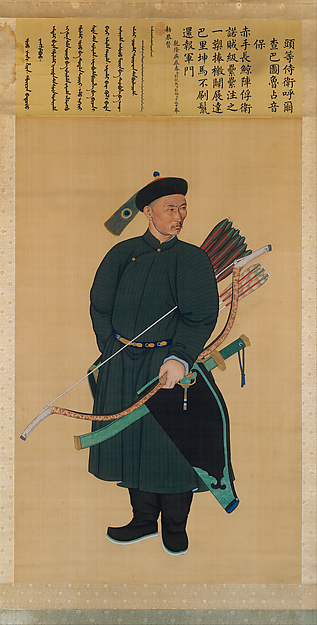
In the show: Empresses in the Palace shows the Yongzheng emperor and his concubines on screen for 76 episodes — and almost every appearance is a costume change. Yellow for the emperor. Coral-and-cobalt for senior consorts. Dragons coiling around the chest. Phoenixes paired with dragons on the empress's gowns. The wardrobe team didn't invent the rules; they followed a centuries-old protocol.

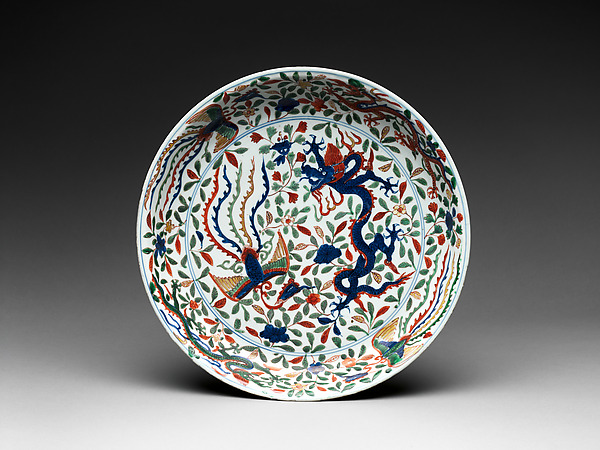
The real root: Qing court dress was codified in the 1759 Illustrations of Imperial Ritual Paraphernalia. Yellow was reserved for the emperor; the dragon-and-phoenix pair was reserved for emperor-and-empress; the five-clawed dragon could not appear on a non-imperial body. That codification was itself the inheritance of Ming porcelain iconography — cobalt-blue dragons on imperial dishes were already state symbols a hundred years earlier.
Visual lineage

2. Concubine in Jade — the body as jewel-case

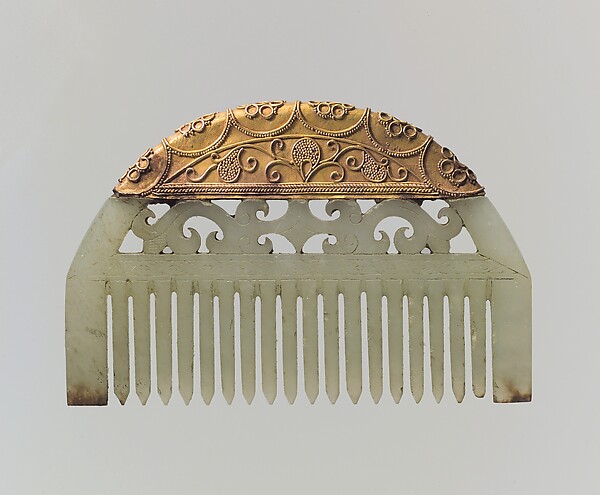
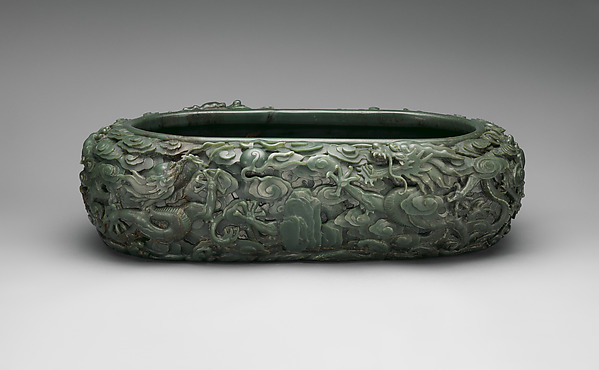
In the show: Every consort in the show wears jade. Hairpins, earrings, finger-rings, the long fingernail-protectors that flag rank, the carved pendants that drift over the chest. Jade is both decoration and code: it identifies your rank, your faction, the emperor's current favour. Lose your jade and you have lost the court.

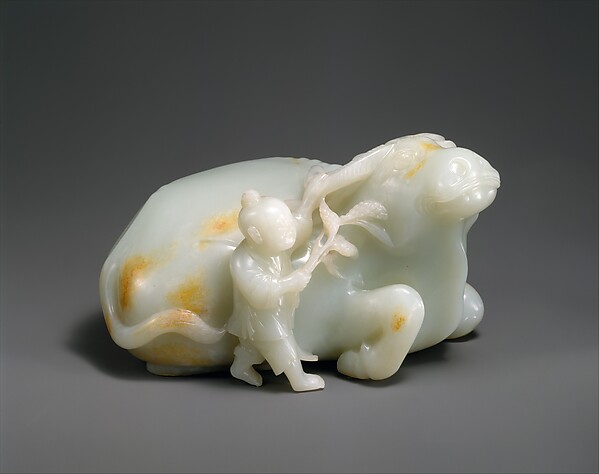
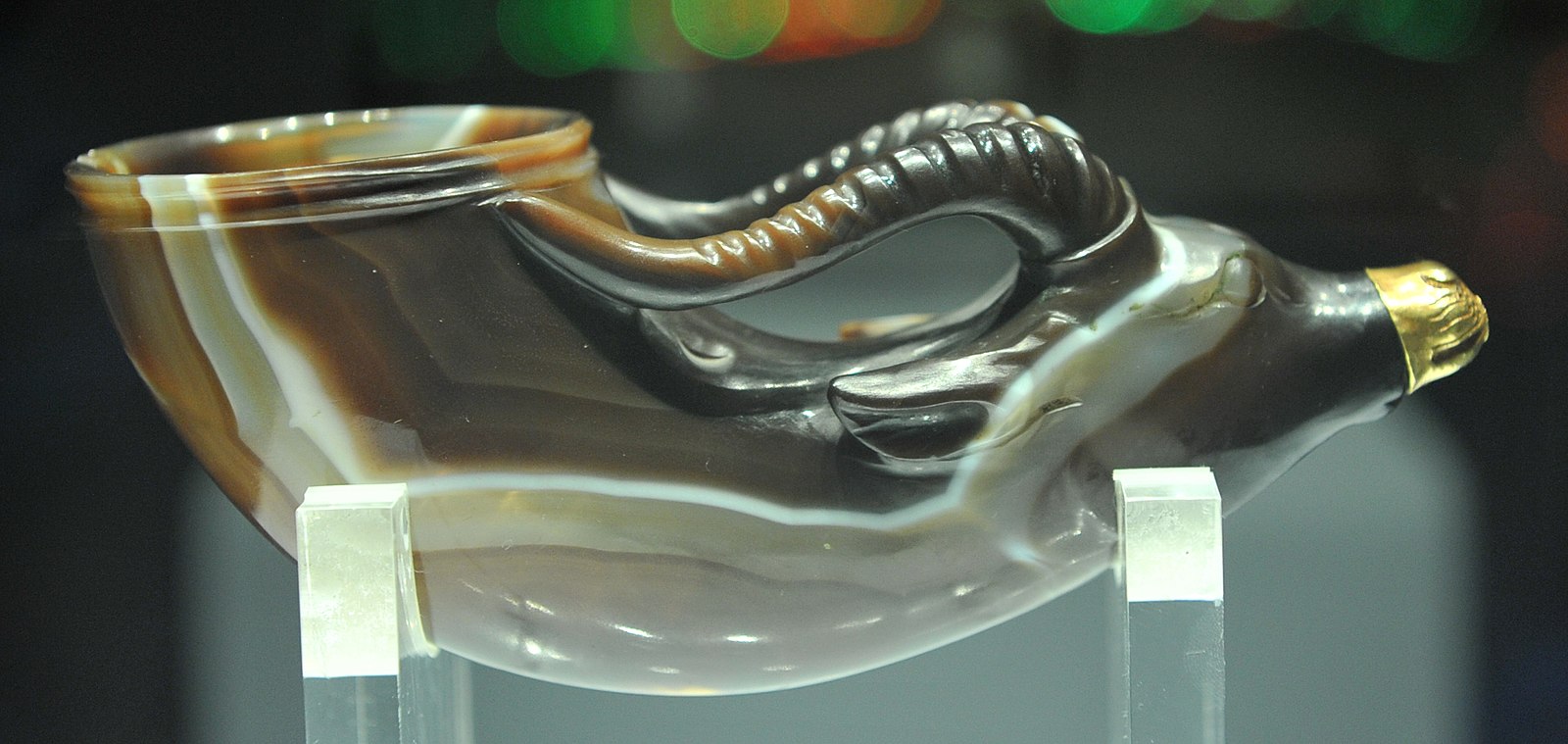
The real root: Chinese jade culture is older than Chinese bronze. By the Han dynasty, the imperial elite was buried in entire suits of jade. By the Tang, polished agate and jade had become luxury vessels. By the Qing, the Qianlong court was carving jade boulders weighing nearly a hundred kilograms. The hairpins on a Yongzheng consort sat at the top of three thousand years of mineral status.

Visual lineage

3. The Daily Tea — porcelain on the empress's table

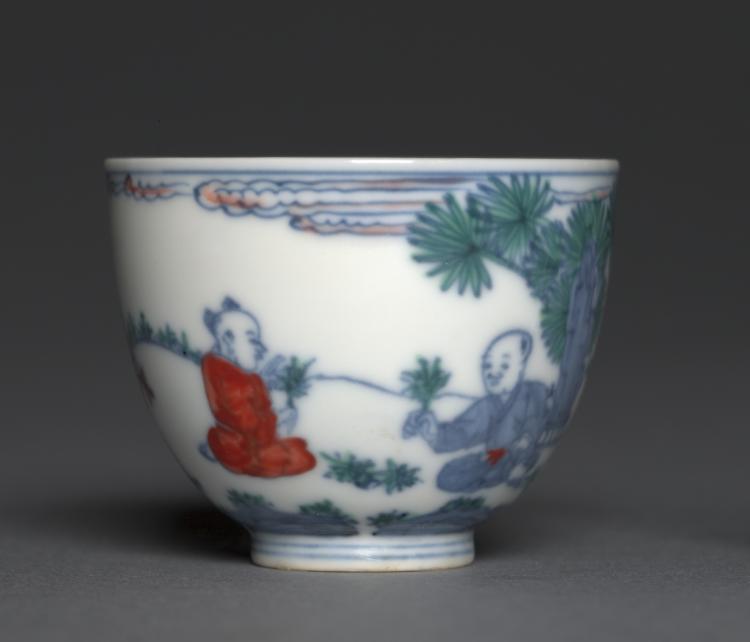
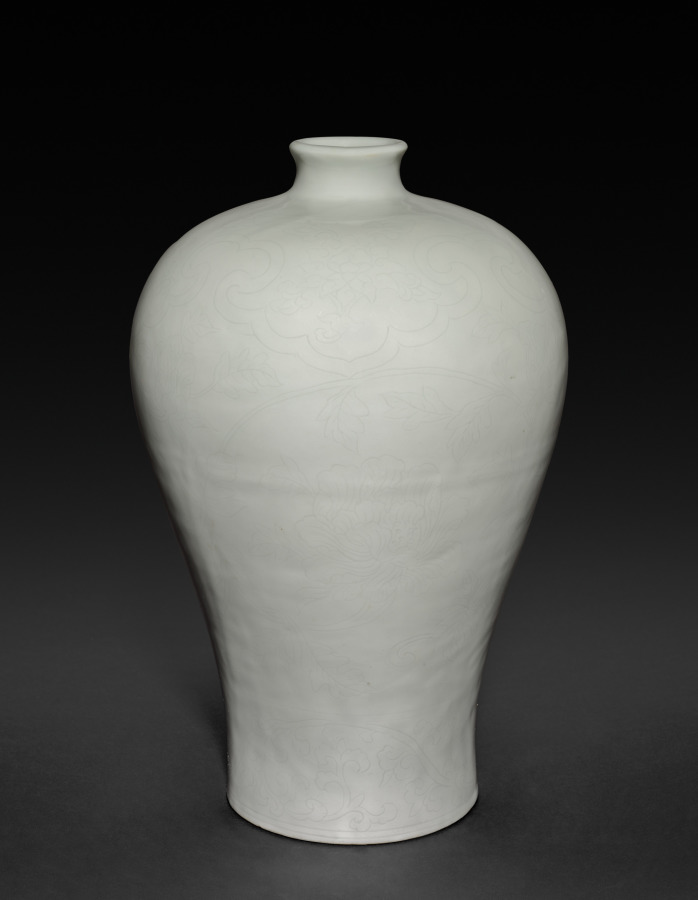
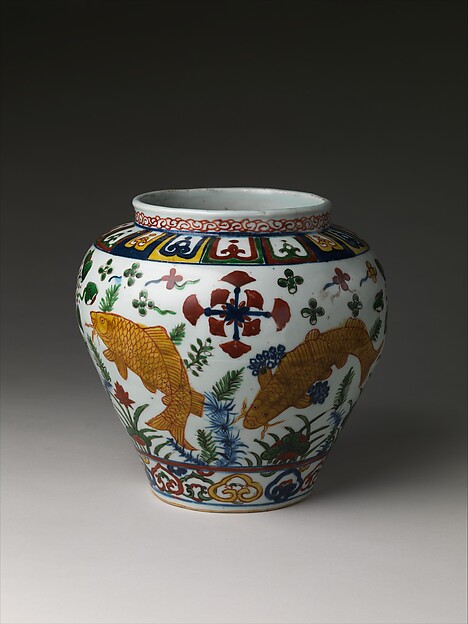
In the show: Tea is the engine of palace politics in this show. A poisoning happens in a teacup. A reconciliation happens over a pot. Eunuchs ferry trays through corridors. The cups, the saucers, the tall blue-and-white vases on the side tables — every object on screen has a real prototype in a Ming-Qing kiln archive.

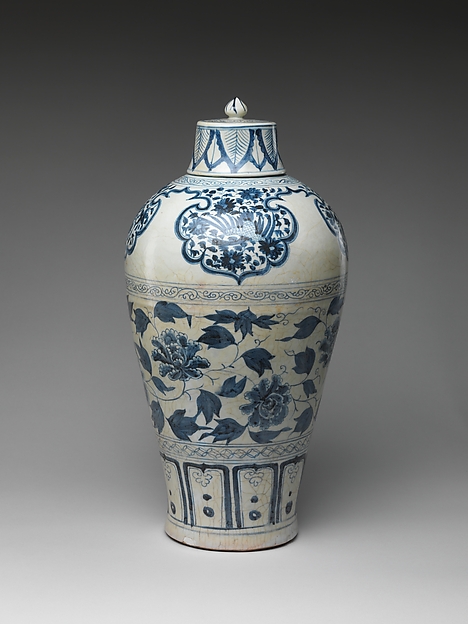
The real root: By the early Qing, Jingdezhen was producing porcelain in industrial quantities for the imperial household. The shapes the show uses — the meiping vase on the side cabinet, the small wine cup with painted children, the round-bellied storage jar — were already standard Ming forms by 1500. The Yongzheng imperial workshop did not invent them; it perfected them.

Visual lineage

4. Painted Walls — what hung in the imperial study

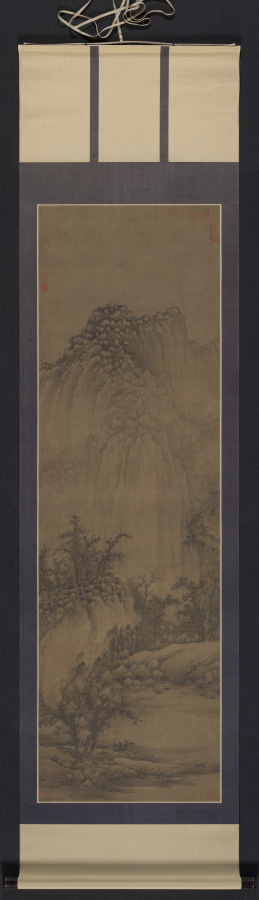
In the show: Behind every confrontation in the show, a painted screen. Behind every poetry session, a hanging scroll. Behind every plot twist, a landscape — usually a misty Song-style mountain that signals the literati education the consort is performing. The set decorators were quoting a fixed Qing-court visual canon.

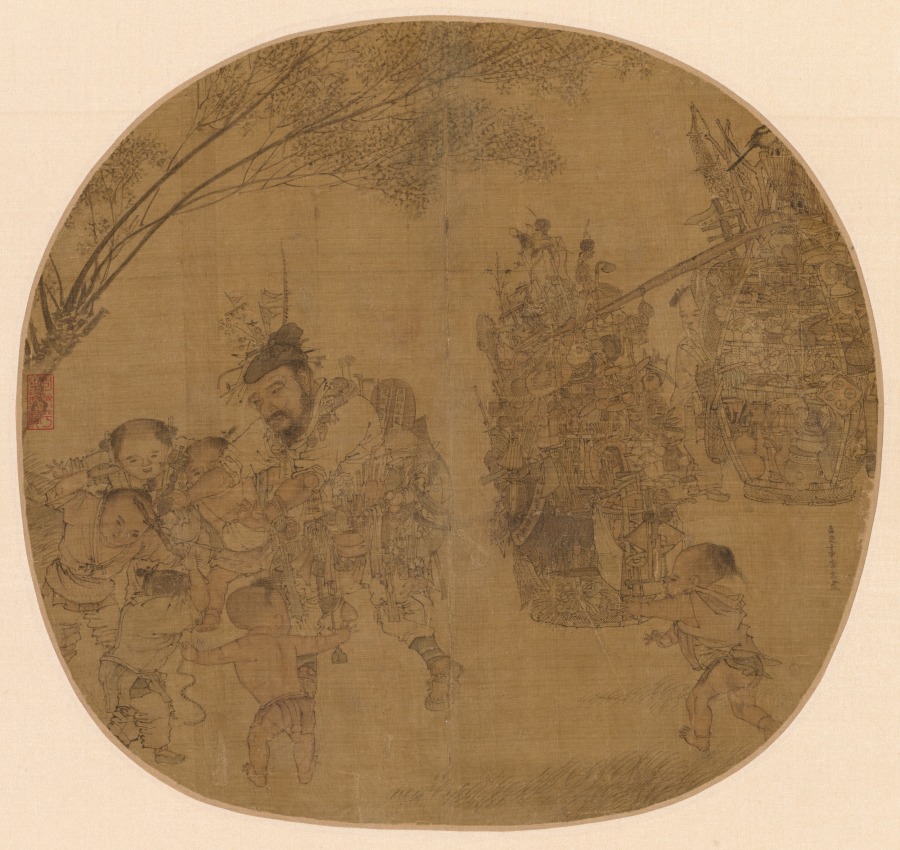
The real root: By the Qing, the imperial collection had absorbed almost every great painting still circulating. Yongzheng and Qianlong were obsessive collectors and copyists. The walls of the Forbidden City were hung with — or with copies of — Song landscapes, Yuan ink paintings, and late-Ming genre scenes. Many of those originals later left China and now hang in Cleveland.

Visual lineage

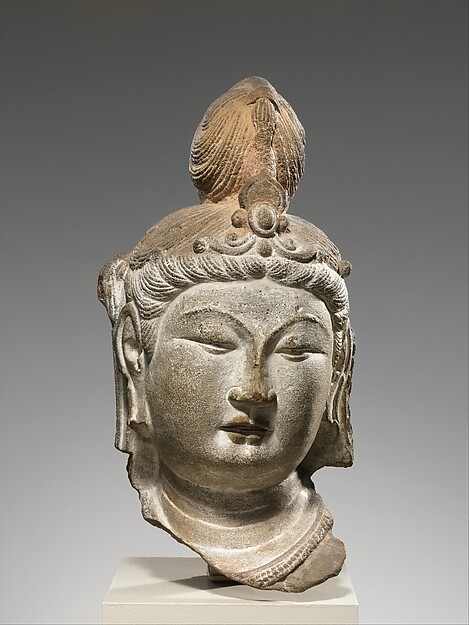
5. Concubines at Prayer — Buddhist devotion at the Qing court

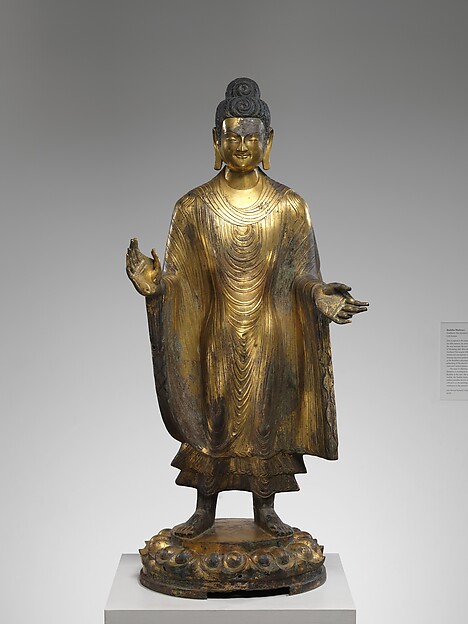
In the show: When a consort cannot win in the open court, she goes to the small Buddhist hall behind her quarters and prays. The show treats these scenes with extreme visual care: oil-lamps, low altars, small bronze Buddhas, the recitation of sutras. Buddhist devotion is the emotional engine of the second half of the drama.

The real root: The Qing court was deeply Buddhist. The Yongzheng emperor was a serious Chan practitioner; his mother and consorts were patrons of Tibetan and Han Buddhist temples. The small bronzes, the lacquered altars, the painted sutra-cabinet doors all sat at the end of fifteen hundred years of Chinese Buddhist sculpture and painting. Every devotional frame in the show inherits that long lineage.

Visual lineage

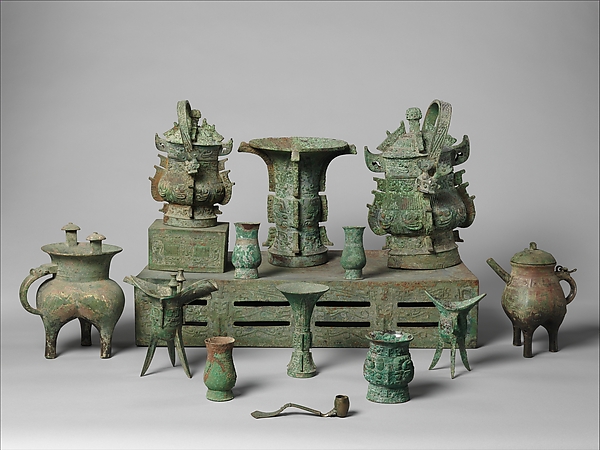
6. Ancestor Bronzes — why Yongzheng still made offerings to Shang ghosts

In the show: Twice in the show the emperor performs an ancestral rite — bronze vessels arranged on an altar, wine poured, incense lit. The drama treats these scenes as state ceremony, not personal piety. The continuity is the point: the Qing emperor is borrowing the legitimacy of three thousand years of Chinese ritual.

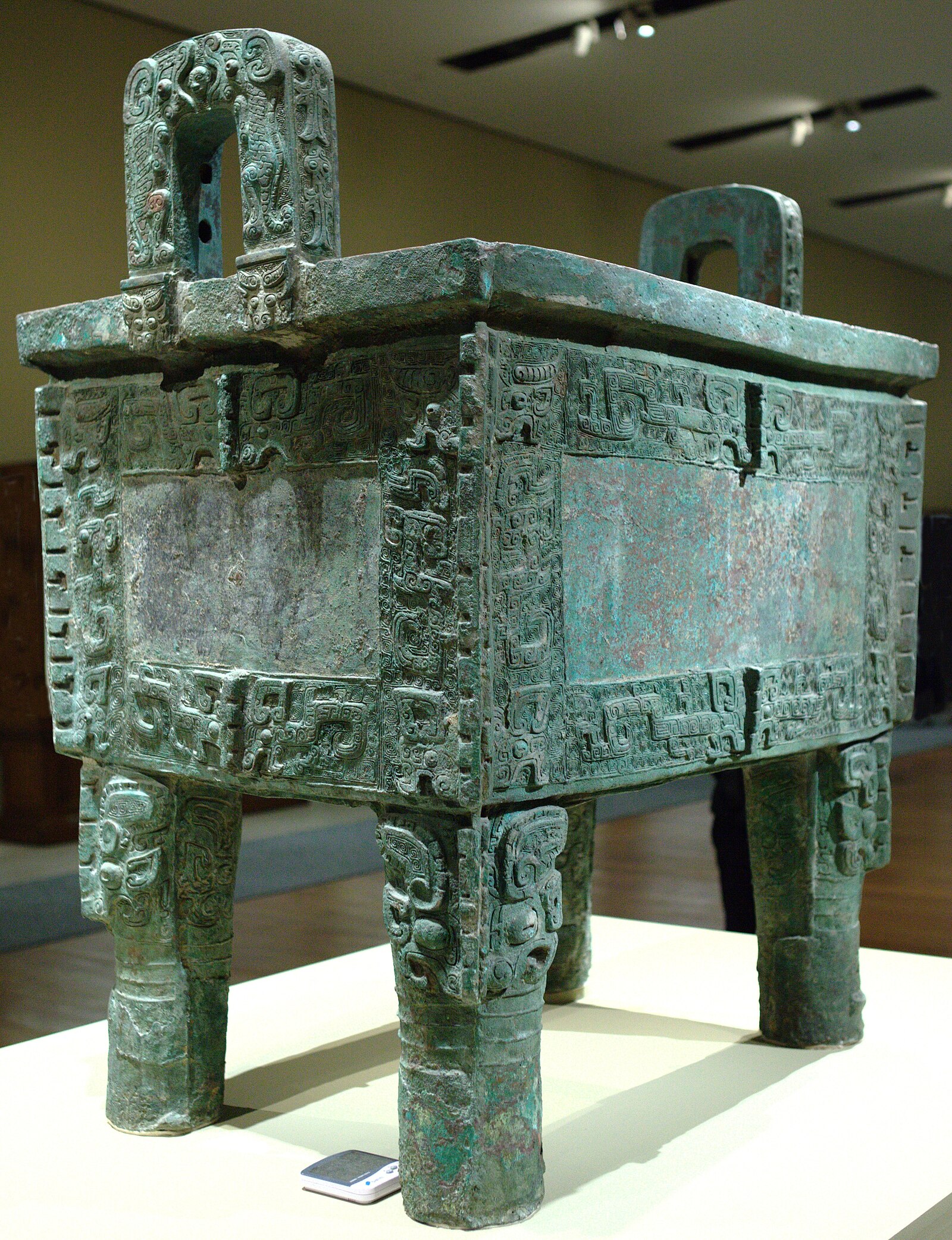
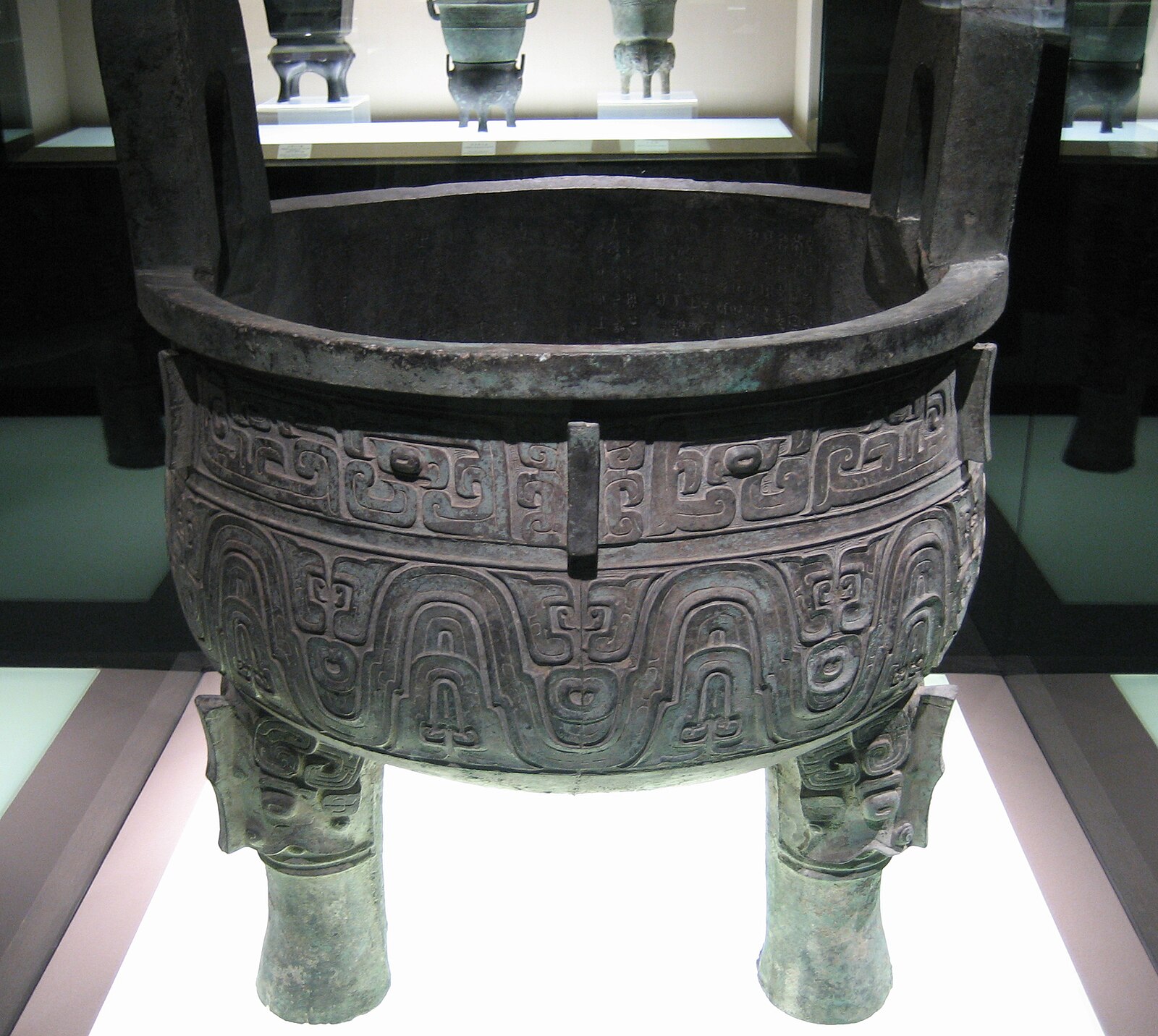
The real root: The Chinese ancestral rite is the longest-running unbroken ritual in human history. It begins with Shang oracle-bone divinations, codifies under Western Zhou with the ding-and-gui set, and is still being performed by Qing emperors three millennia later. The vessels in the show — round-bodied dings, spouted hes, square-mouth altars — quote the Bronze Age vocabulary directly.

Visual lineage

7. The City Beyond the Walls — Qingming as palace fantasy

In the show: The empress never leaves the Forbidden City. Her one window onto the rest of China is a painted scroll on a wall — a market scene, a river, a bridge of porters and donkeys. The show uses these scrolls as a quiet metaphor: the woman who runs the empire has never seen it. The scroll she stares at is the most-quoted Chinese painting ever made.

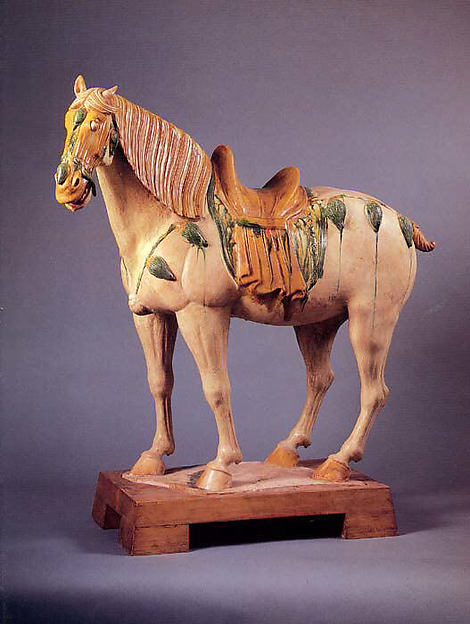
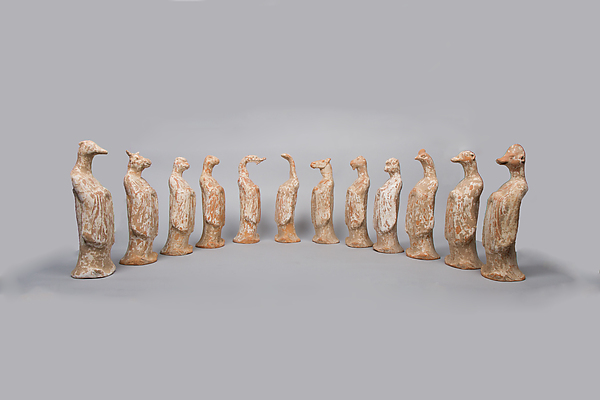
The real root: Along the River During the Qingming Festival is the most-copied Chinese painting in history. By the Qing, palace workshops had produced multiple imperial copies of the original Song scroll. Yongzheng, Qianlong, and their consorts stared at versions of this exact painting. The Tang aristocratic objects — sancai horses, zodiac figurines — were the deeper soil from which Qing imperial life still drew its metaphors.

Done with the palace? Three more field guides await.

We do this for the games, films, and dramas that take Chinese material culture seriously.

  • Black Myth: Wukong, museum-by-museum. Yungang Buddhas, Sanxingdui masks, Shang ritual bronzes, Cleveland landscape scrolls. Read it →
  • Genshin Impact — Liyue, mapped. The karst peaks, porcelain teacups, the Adepti, the cauldrons. Read it →
  • Ne Zha 2 (哪吒之魔童闹海), decoded. Lotus rebirth, the Four Dragon Kings, the Sky-Ribbon — every symbol in 2025's biggest animated film. Read it →

For the full inventory of Chinese masterpieces in Western museums, see our Treasures Abroad index.

About this guide

Researched and written by China Heritage. Object photographs and metadata are CC0 / public domain releases from The Met Open Access, Cleveland Open Access, and Wikimedia Commons. Connections drawn between drama and artifact are art-historical inferences, not studio statements; see Methodology for our standards. Empresses in the Palace (甄嬛传) is a trademark of its respective rights-holders and is referenced here for descriptive, educational purposes.