Field Guide · 16 minute read

Every Symbol in Ne Zha 2, Mapped to a Real Museum Object

The Demonic Pearl. The Sky-Ribbon. The Four Dragon Kings rising from porcelain seas. Every layer of 2025's biggest animated film maps onto specific Chinese museum objects — Shang bronzes, Tang Buddhas, Ming dragon dishes. Here is the field guide.

7 visual lineages23 specific objects5 museums on 3 continents

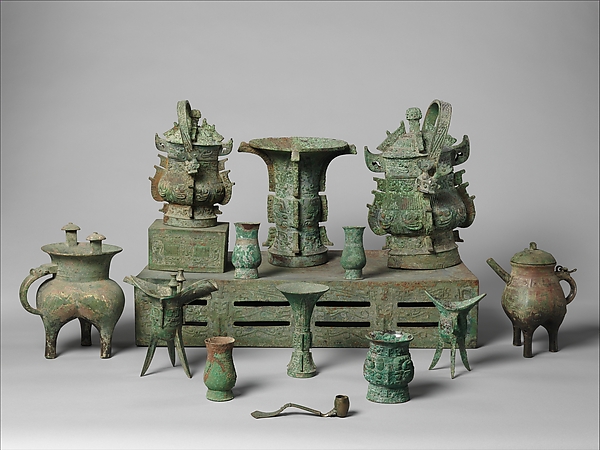
Ne Zha 2 (哪吒之魔童闹海) is the highest-grossing animated film ever made. It also happens to be the most reference-dense piece of Chinese popular culture released in decades. Almost every recurring visual on screen — the lotus throne, the dragon court, the carved jade beads, the mountain-hermit master, the toddler hero in pleated armour — is quoting a real artifact that you can walk up to in a museum.

The Investiture of the Gods novel that gave us the Ne Zha story was published in the late Ming. By that point, every visual the film uses had already been canonised for at least a millennium by Buddhist sculpture, court porcelain, jade carving, and ink landscape painting. Ne Zha 2's art team was not inventing — they were translating.

This guide walks the seven visual lineages most heavily quoted in the film, and for each one points at three or four real objects you can actually visit — in Beijing, Shanghai, Wuhan, Sichuan, New York, and Cleveland.

Visual lineage

1. Lotus Rebirth — the body of pure light

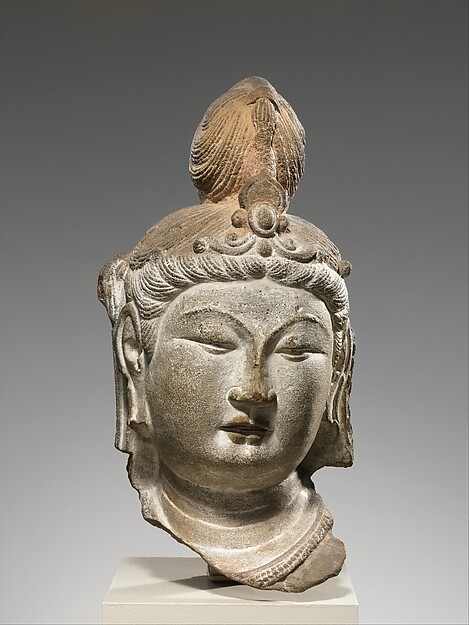
In the film: After Ne Zha tears himself apart at Chentang Pass, his master Taiyi Zhenren rebuilds him from a lotus blossom. He returns cross-legged on a lotus throne, halo behind his head. The frame is pure Buddhist iconography even though the story is Daoist — and the studio knew exactly what they were quoting.

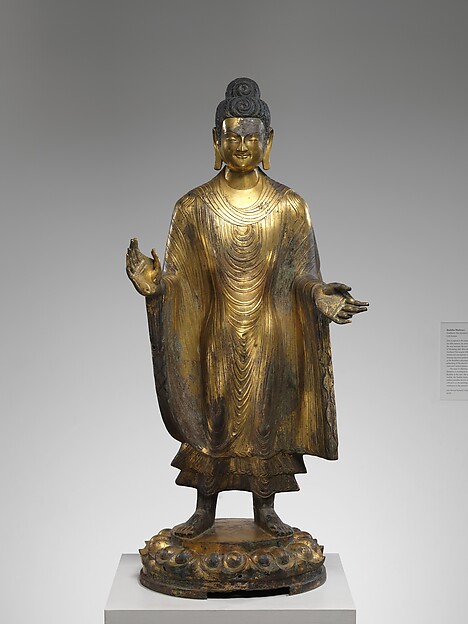
The real root: The 'figure on a lotus throne with a halo' visual was already 1,500 years old by the time the Investiture of the Gods novel was written. Beginning in the Northern Wei dynasty every Buddha and bodhisattva in China was depicted seated on or rising from a lotus — the Buddhist symbol of unstained rebirth from muddy water. Ne Zha 2's rebirth scene is openly borrowing this grammar.
Visual lineage

2. The Four Dragon Kings — bronze and porcelain, not lizards

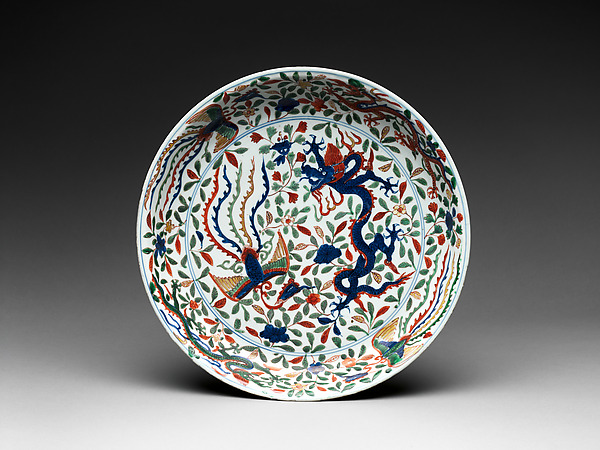
In the film: Ao Guang, Ao Qin, Ao Run, Ao Shun — the dragon kings of the four seas — and Ao Bing, Ao Guang's son, are the antagonists' iconography. They aren't European fire-lizards. They are serpentine, scaled, four-clawed, accompanied by clouds and water, rendered in jewel tones of cobalt, gold, and bone-white. That palette was codified by Yuan-Ming court porcelain.

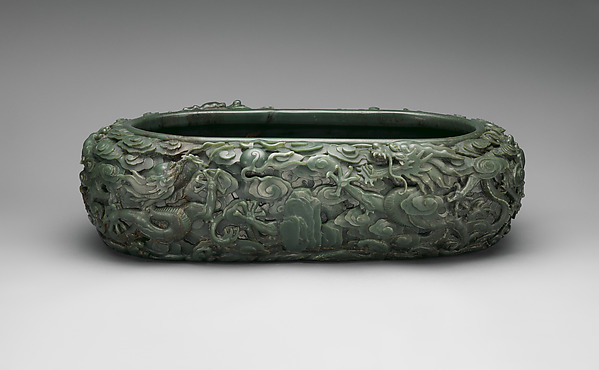
The real root: The Chinese imperial dragon (long, 龍) had a fixed iconography centuries before Ne Zha was a novel character. By the Yuan dynasty, Jingdezhen kilns were painting dragons in cobalt blue against pure white porcelain; by the late Ming the dragon-and-phoenix pair on imperial dishes was a state symbol. Ne Zha 2's dragon design is sourced wholesale from this porcelain tradition, not from any Western dragon canon.

Visual lineage

3. Demonic Pearl & Spirit Pearl — why the macguffin is a bead

In the film: Ne Zha is born from the Demonic Pearl (魔丸); his rival Ao Bing carries the Spirit Pearl (灵珠). The plot pivots on these two beads — perfect, glowing, neither truly stone nor truly gem. The film's lighting team treats them like jade lit from inside.

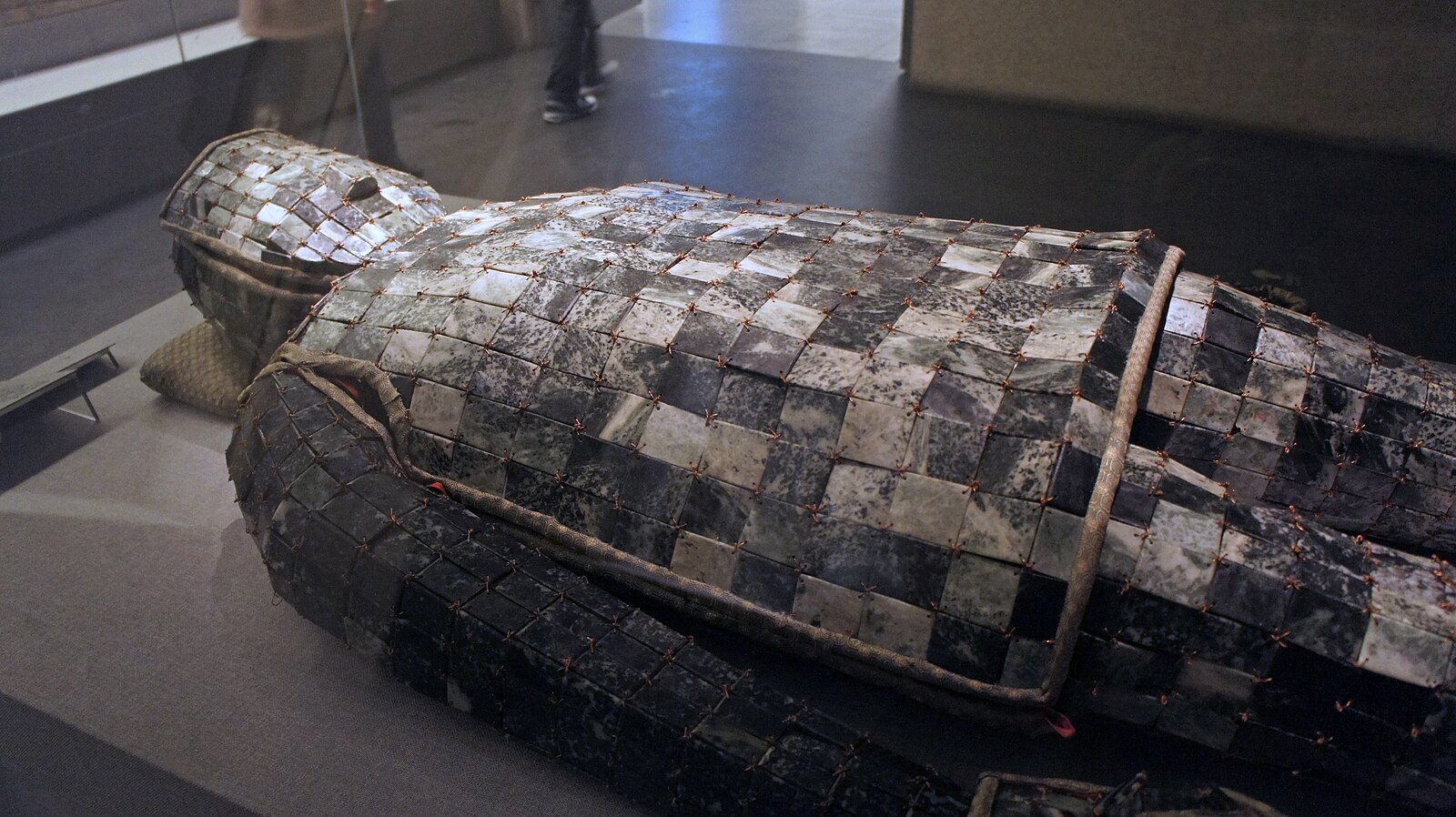
The real root: China's relationship with carved beads and discs is older than its relationship with bronze. Liangzhu jade discs (bi) and tubes (cong) were already cosmological symbols five thousand years ago — heaven, earth, the soul moving between them. By the Han, the imperial elite was being buried in entire jade suits. Ne Zha 2's pearls inherit that millennia-long Chinese conviction that polished mineral is a vessel for soul.

Visual lineage

4. Taiyi Zhenren — the bumbling Daoist sage on a cloud

In the film: Taiyi Zhenren, Ne Zha's Daoist master, is the comic-yet-omnipotent immortal in robes who descends on a cloud, brews pills in a gourd, and turns a lotus into a body. The film's design grammar for him — long hair, rumpled robe, wandering posture, mountain-hermit aura — is one of the oldest visual templates in Chinese art.

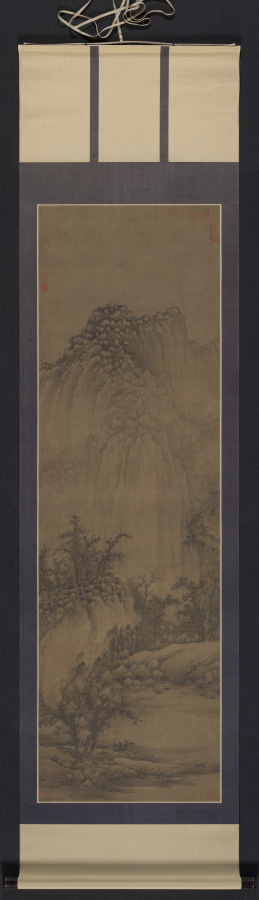
The real root: Daoism's reclusive immortal has been painted as a wandering scholar in misty mountains for at least a thousand years. The 'mountain retreat' was never just landscape — it was the assumed dwelling of sages and immortals. Two of the founding monumental scrolls of that mode are not in China; they passed through Japanese collectors and ended up in Cleveland.

Visual lineage

5. Sky-Ribbon (混天绫) and Universe Ring (乾坤圈) — armed with cosmology

In the film: Ne Zha's two signature weapons aren't swords. They are a long red silk ribbon (Hun-Tian Ling, 'Heaven-Stirring Ribbon') and a gold ring (Qian-Kun Quan, 'Universe Ring'). The film treats them as physics-defying. The boy fights with the sky and the ring of heaven-and-earth. That naming is not casual — it lifts directly from Han imperial cosmology.

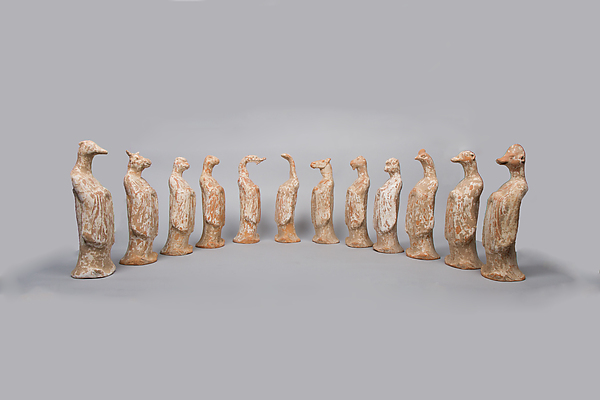
The real root: Han Chinese cosmology was diagrammatic: heaven was round, earth was square, the cardinal animals stood at the four directions, and the twelve earthly branches turned through the year. Han and Tang ritual objects literalised this — sets of twelve animals, ribbons of silk wound around the body of the dead, jade rings as cosmographic talismans. Ne Zha's ribbon-and-ring loadout is a child's-toy version of that ritual kit.

Visual lineage

6. Ao Bing's Crystal Palace — the dragon prince's drawing room

In the film: Ao Bing, the dragon prince of the Eastern Sea, lives in a crystalline undersea court — celadon walls, fish-pattern porcelain, lacquered furniture, lotus-and-carp imagery everywhere. The film's interior designer built that court from Ming Jingdezhen and Qing court-art catalogues.

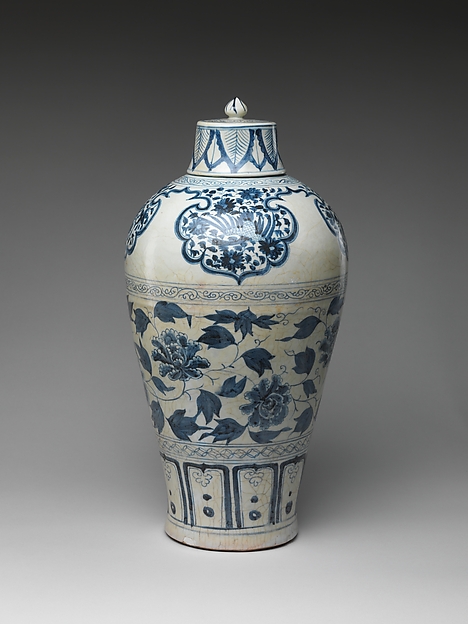
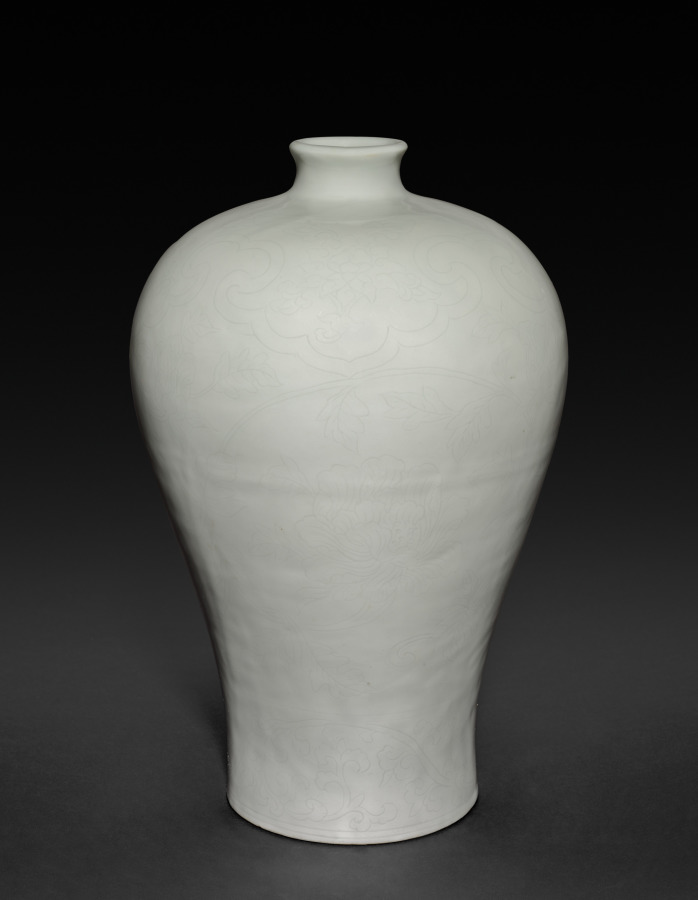
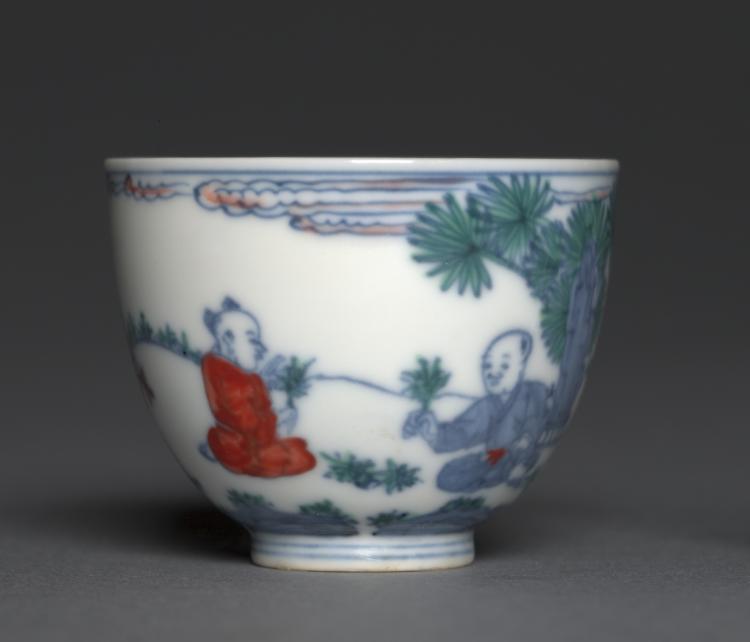
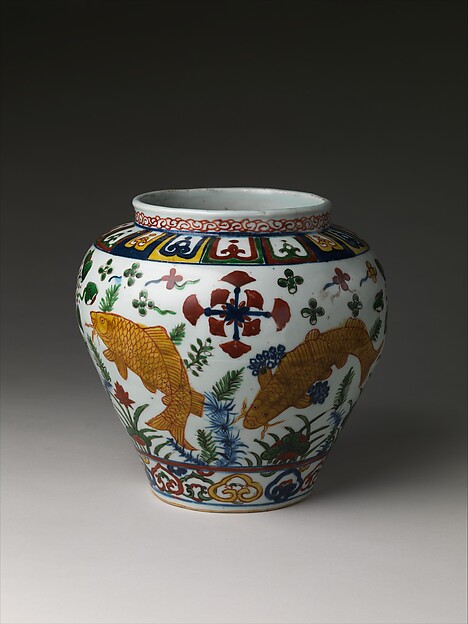
The real root: By the late Ming, the Chinese imperial palace had standardised a luxury vocabulary: blue-and-white porcelain meiping vases on lacquer stands, fish-and-lotus jars for wine, cobalt teacups painted with playing children, miniature jade carvings on every surface. The Crystal Palace is, materially, an underwater Ming court.

Visual lineage

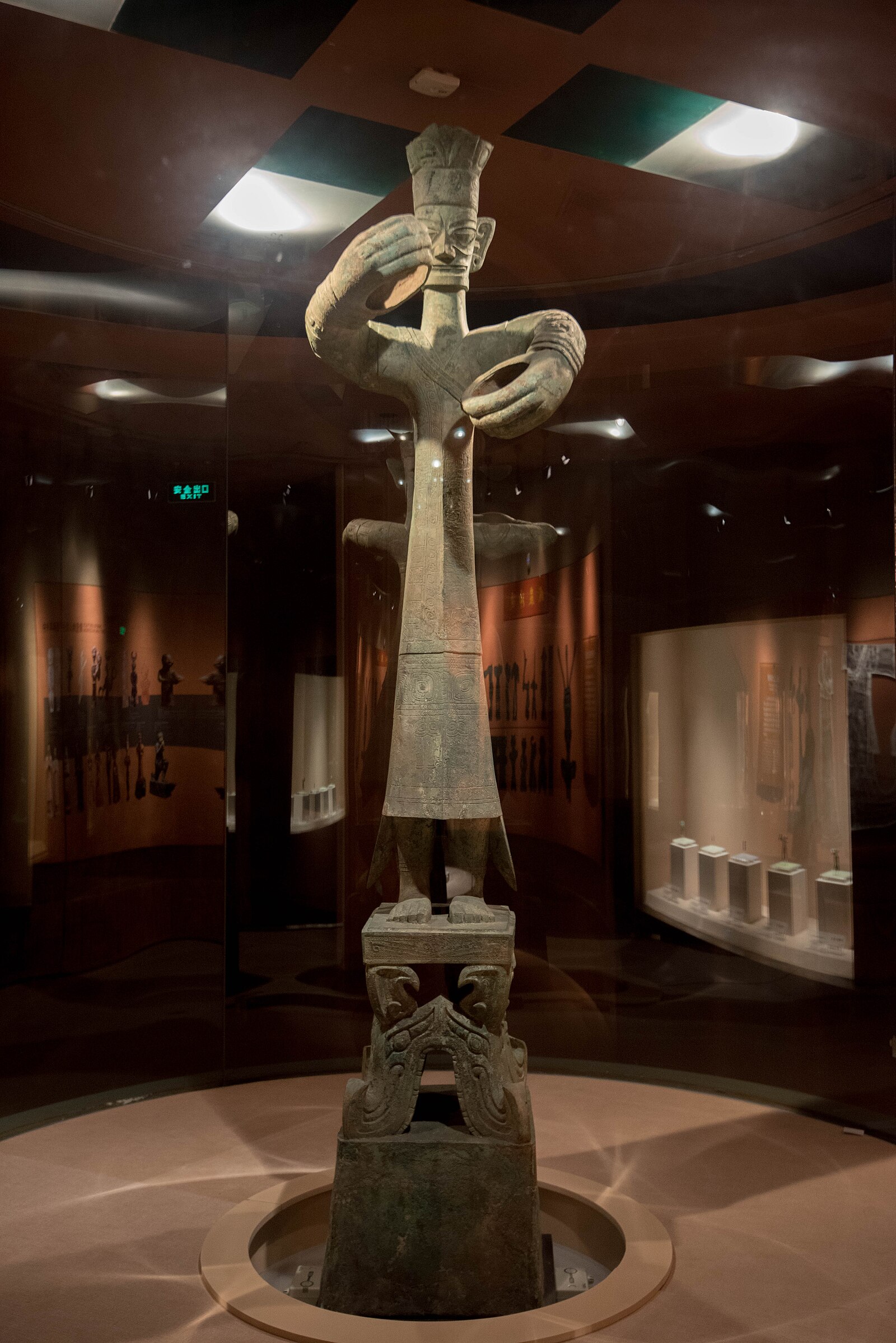
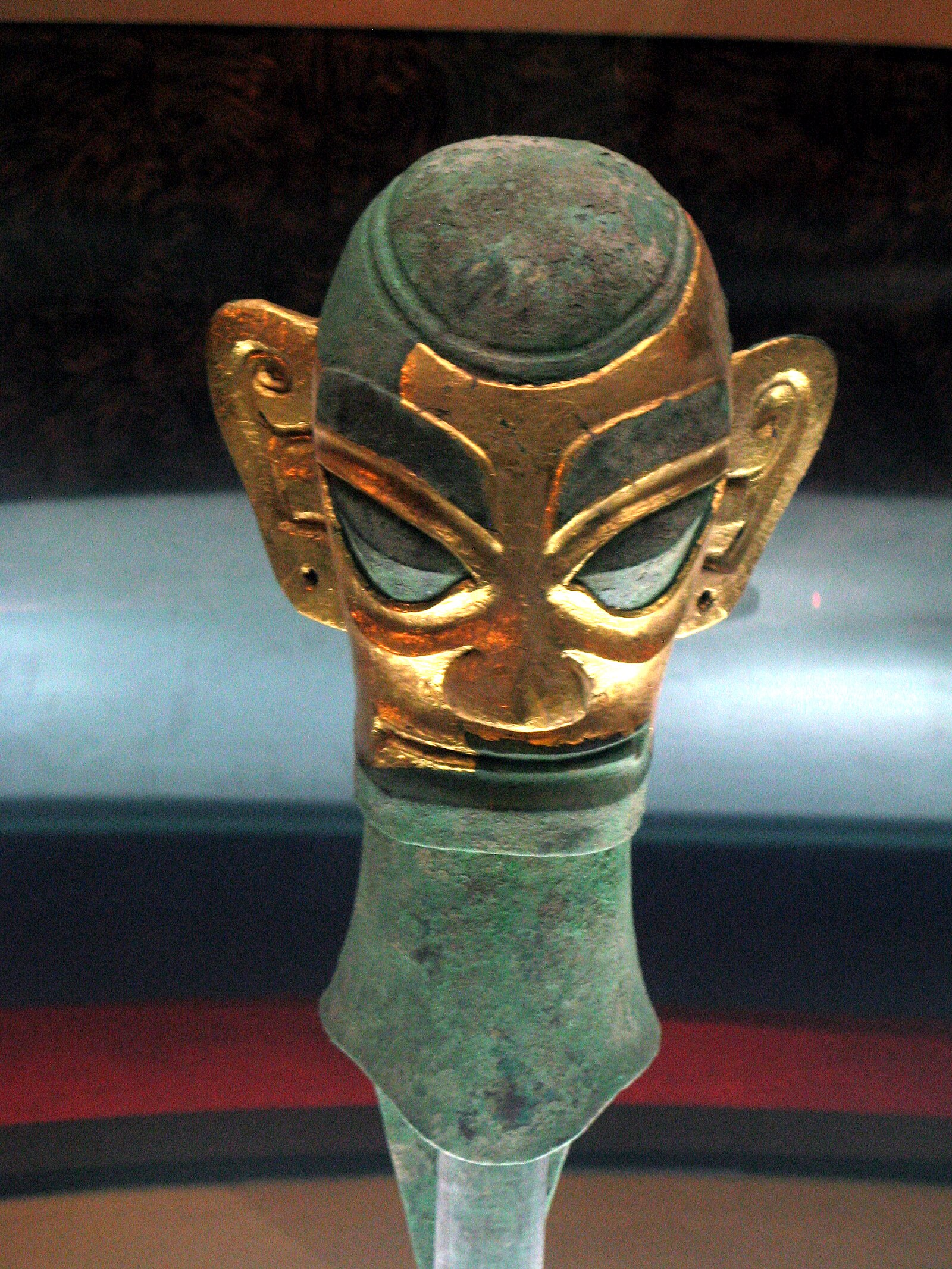
7. The Cosmic Child Hero — Sanxingdui's gift to the design team

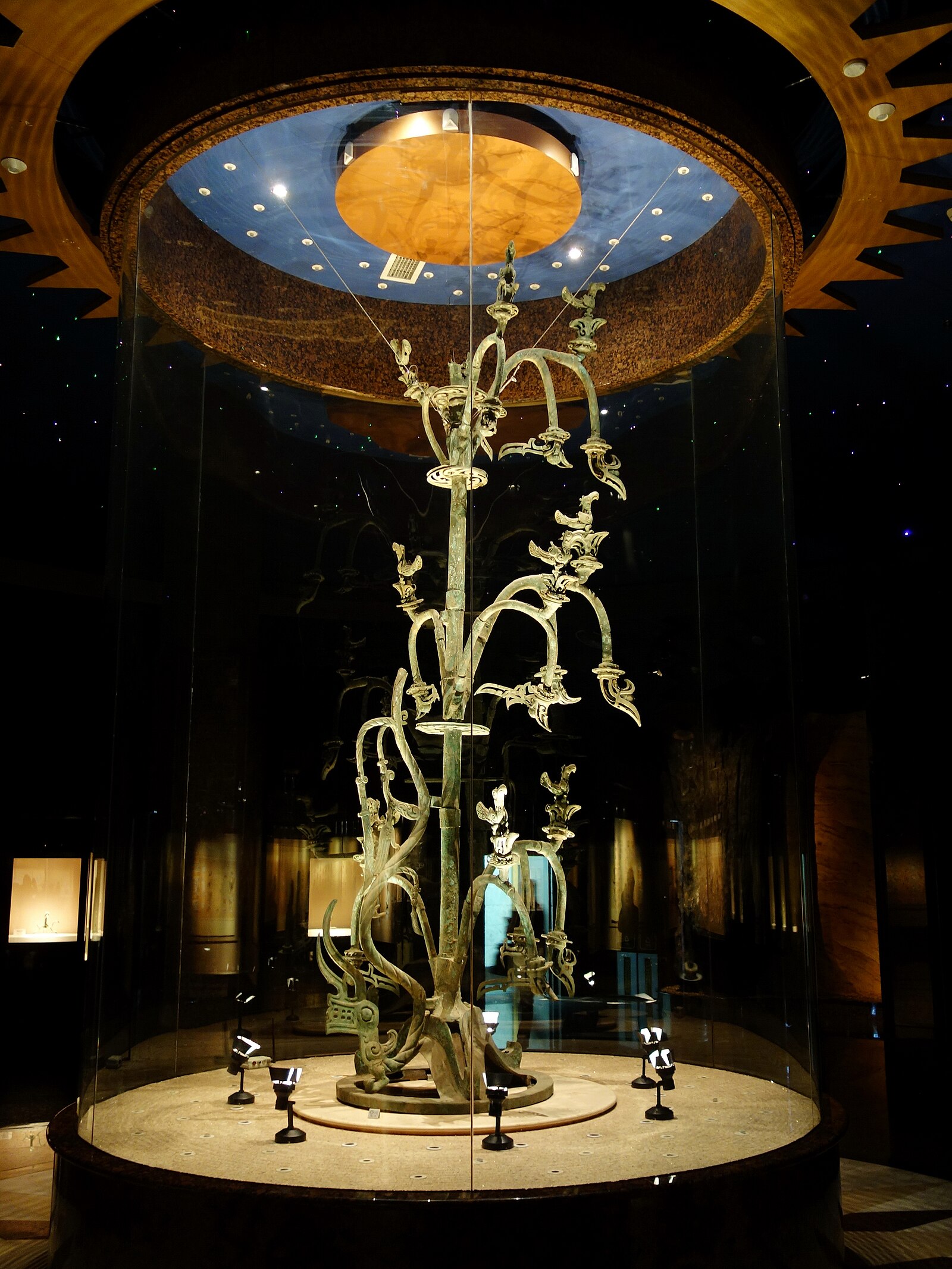
In the film: Strip away the lotus, the dragons, the jade pearls. What remains is a small, fierce, supernaturally-proportioned child with oversized eyes, lacquered topknots, and a body that fights demons three times his size. That body type — the supernatural child as cosmic warrior — is the most Sichuanese thing in the film, and it predates Daoism, Buddhism, and the Ne Zha story by two thousand years.

The real root: Sanxingdui's bronzes — discovered in Sichuan in 1986 — show humanoid figures with exaggerated eyes, square jaws, and small, fierce frames. Their cosmology is unrecovered, but their visual language was unmistakably absorbed by every later Sichuanese imagining of supernatural children, including Ne Zha. The Sanxingdui aesthetic is the deepest stratum of the film's character design.

Done with Ne Zha? Three more field guides await.

We do this for the games and shows that take Chinese material culture seriously.

  • Black Myth: Wukong, museum-by-museum. Yungang Buddhas, Sanxingdui masks, Shang ritual bronzes, Cleveland landscape scrolls — the original AAA Chinese game decoded one boss at a time. Read it →
  • Genshin Impact — Liyue, mapped. The karst peaks, the porcelain teacups, the Adepti, the cauldrons. Every Liyue visual against the real Tang-Song objects that taught miHoYo the language. Read it →
  • Empresses in the Palace (甄嬛传), mapped. The dragon robes, jade hairpins, and cobalt tea service behind the most-watched Qing palace drama. Read it →
  • Inspirations index. The full pop-culture cross-reference — every game, film, and C-drama mapped against real artifacts. Browse →

For the full inventory of Chinese masterpieces in Western museums, see our Treasures Abroad index.

About this guide

Researched and written by China Heritage. Object photographs and metadata are CC0 / public domain releases from The Met Open Access, Cleveland Open Access, and Wikimedia Commons. Connections drawn between film and artifact are art-historical inferences, not studio statements; see Methodology for our standards. Ne Zha 2 (哪吒之魔童闹海) is a trademark of its respective rights-holders and is referenced here for descriptive, educational purposes.