Field Guide · 12 minute read

Every Visual in Black Myth: Wukong, Mapped to a Real Museum You Can Visit

The Buddhist colossi, the bronze cauldrons, the painted scrolls, the porcelain wine cups — the visual world of Black Myth was built from real Chinese artifacts, and most of them are sitting in museums you can walk into. Here is the field guide.

7 visual lineages23 specific objects5 museums on 3 continents

When Black Myth: Wukong launched in August 2024 it did something no Chinese game had done before: it pulled tens of millions of Western players, with no prior context for Chinese material culture, into a world made out of it. Within a week, search queries like “black myth wukong real temples” and “sanxingdui mask in black myth” were spiking globally on Google.

Game Science was unusually open about the research. Their art teams spent years scanning real sites — Yungang, Longmen, and dozens of regional temples — and built the game's asset library on top of that documentation. The result is the most historically literate AAA game ever made about Chinese civilisation.

This guide walks the seven visual lineages most heavily quoted in the game, and for each one points at three or four real objects you can actually visit — in Beijing, Shanghai, New York, Cleveland, or London. No single museum holds the whole story; the diaspora of Chinese art across the 20th century guarantees that.

Visual lineage

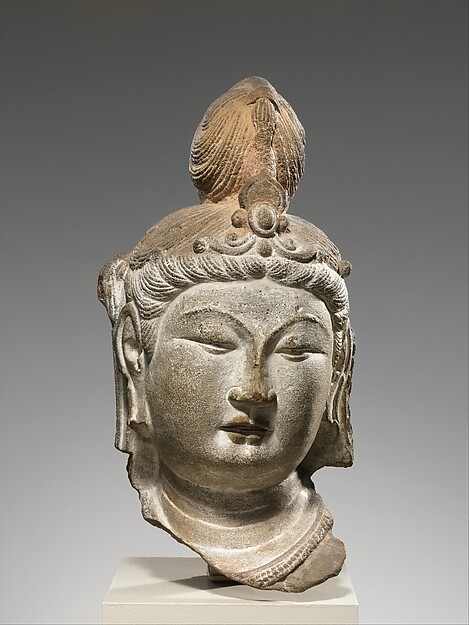
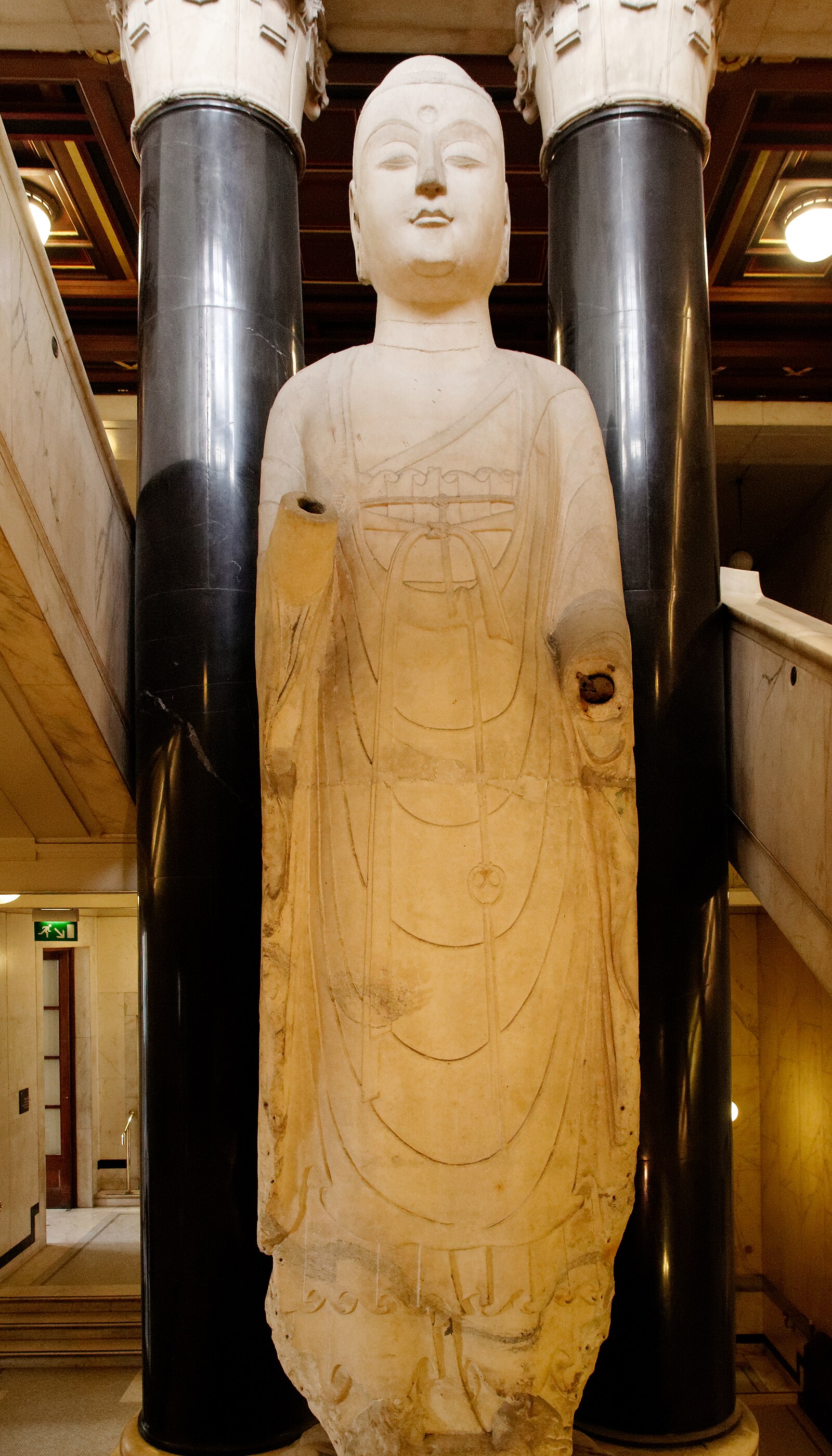
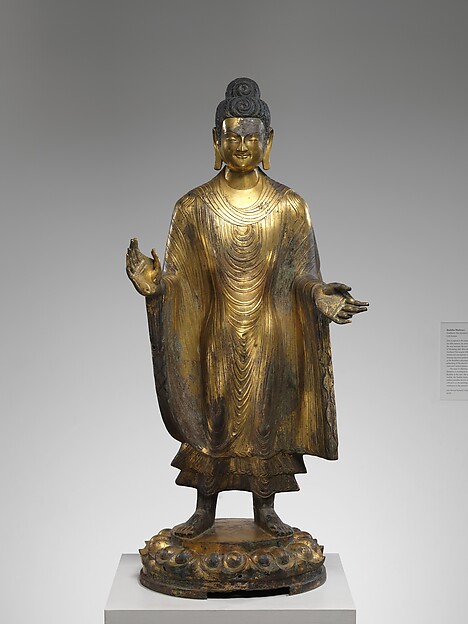
1. The Buddhas — Yungang, Longmen, and the body of compassion

In the game: Many of Black Myth: Wukong's most awe-inspiring environments are temple chambers carved straight into living rock — gilded Buddhas stories tall, faces softened by a millennium of incense smoke. The Game Science art team has said publicly that they 3D-scanned and photographed the Yungang and Longmen Grottoes for these scenes.

The real root: From the 5th century onward, Buddhism re-shaped the Chinese landscape one cliff face at a time. Yungang (Shanxi) and Longmen (Henan) are the two greatest survivals of that era — but you can also meet their cousins in museums around the world, where individual heads and figures travelled in the early 20th century.
Visual lineage

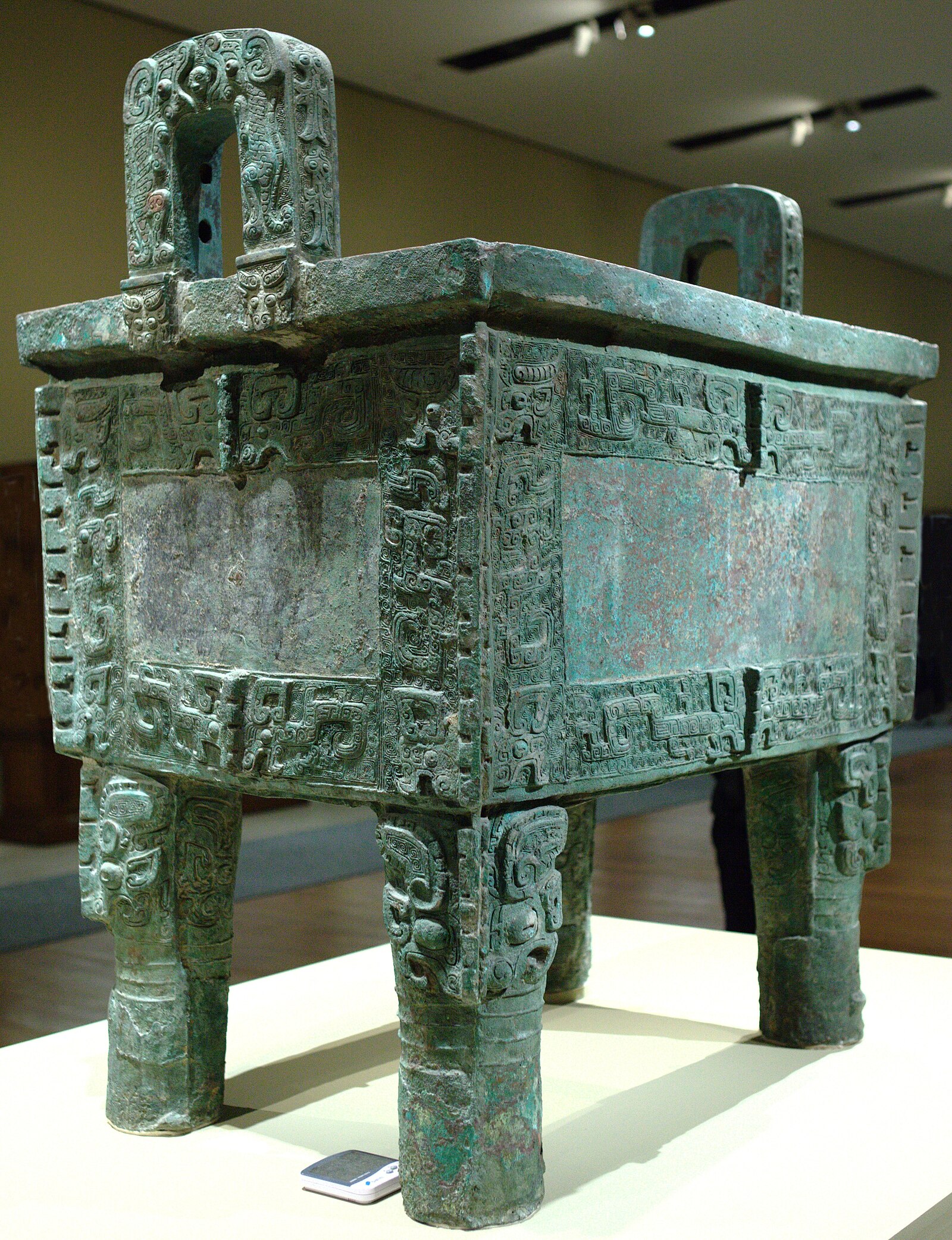
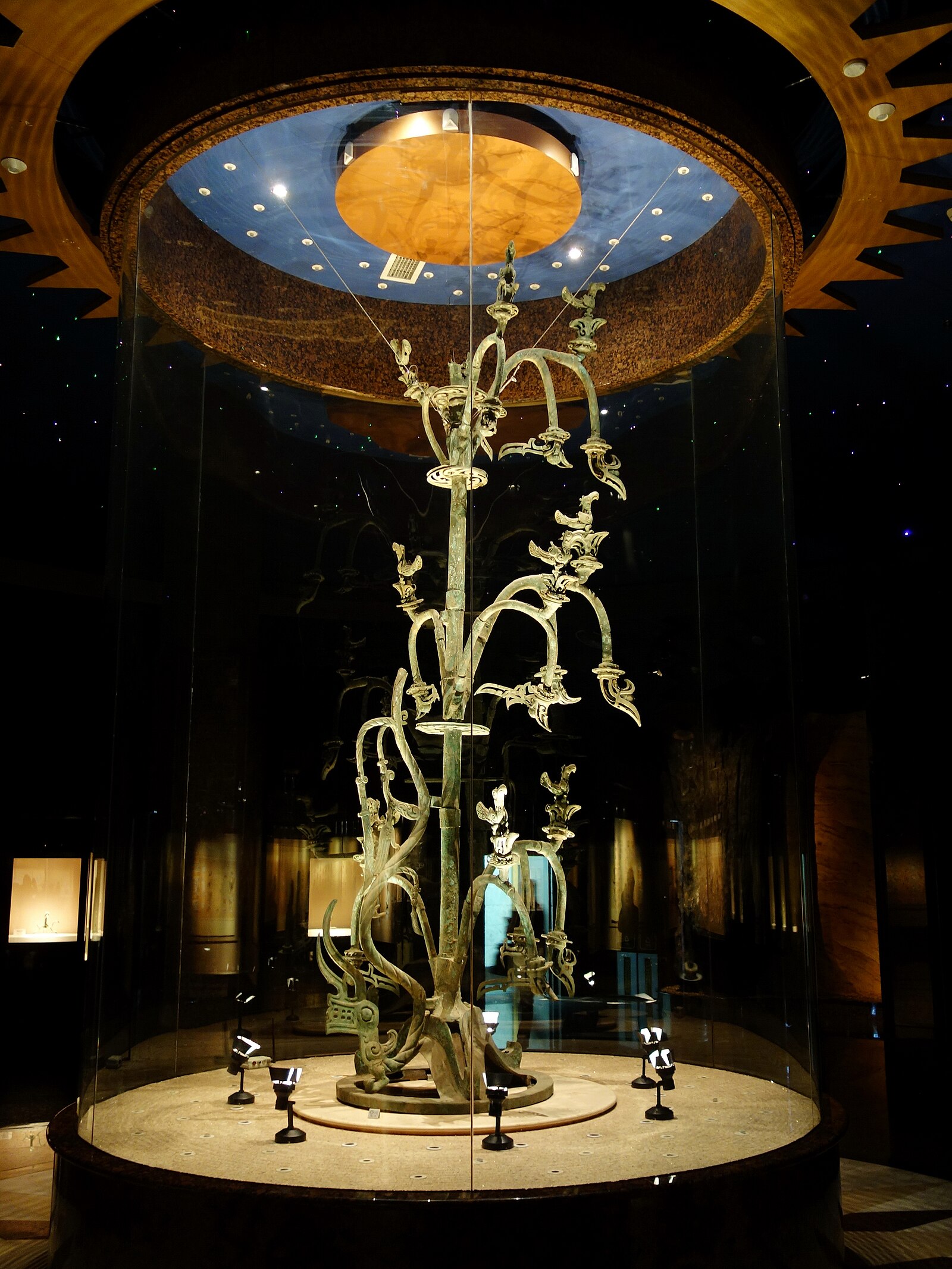
2. Ritual bronzes — the cauldron at the centre of every shrine

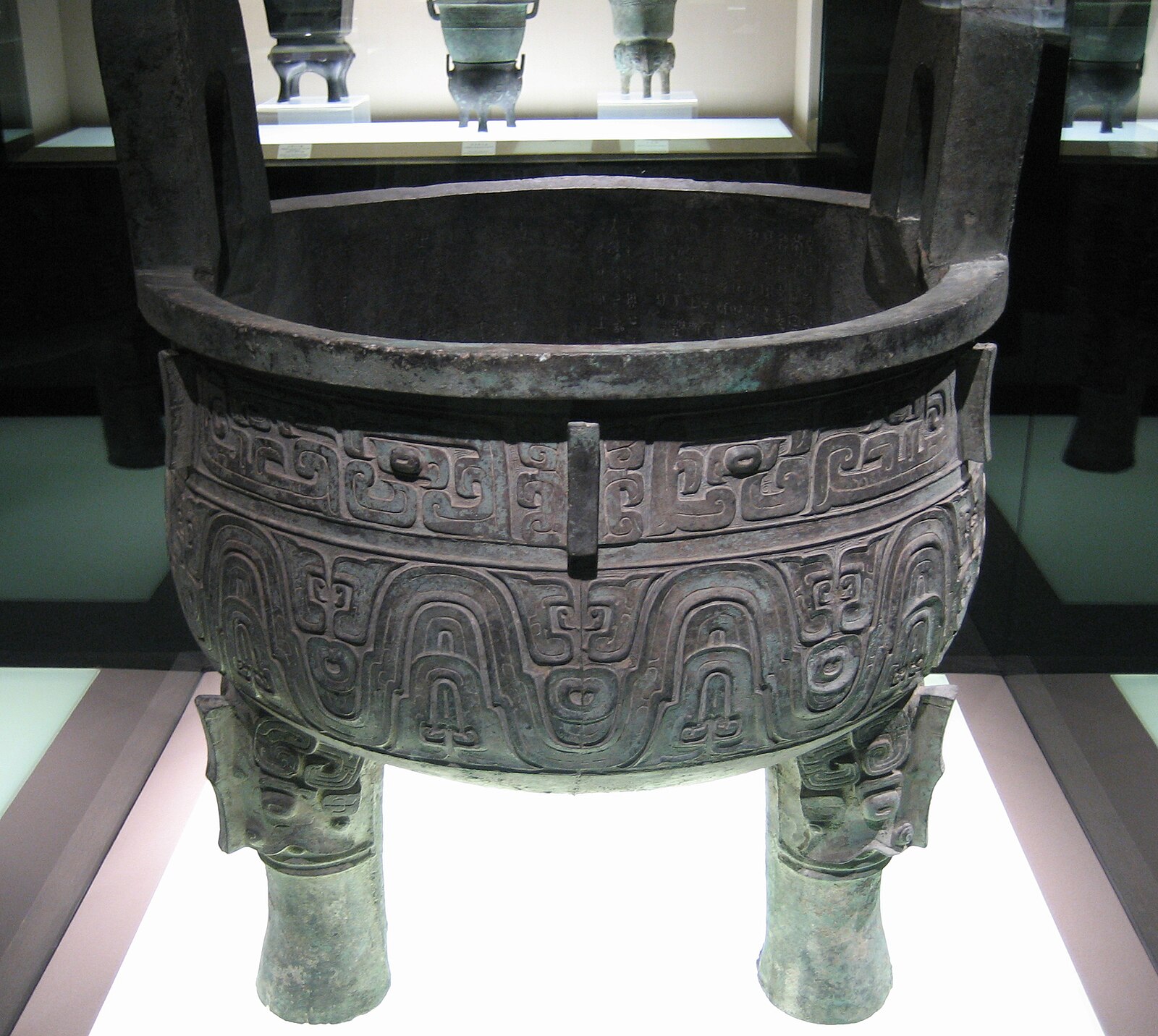
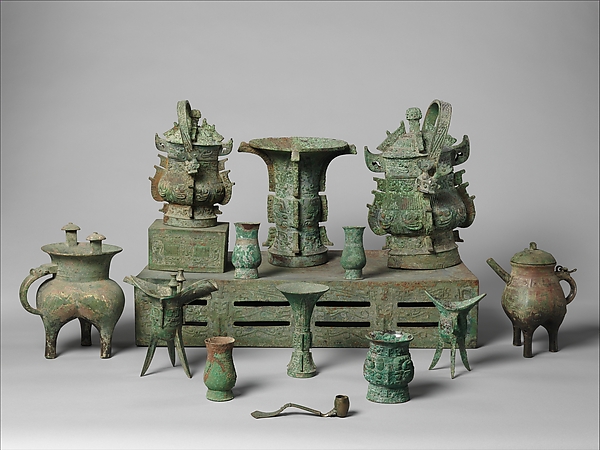
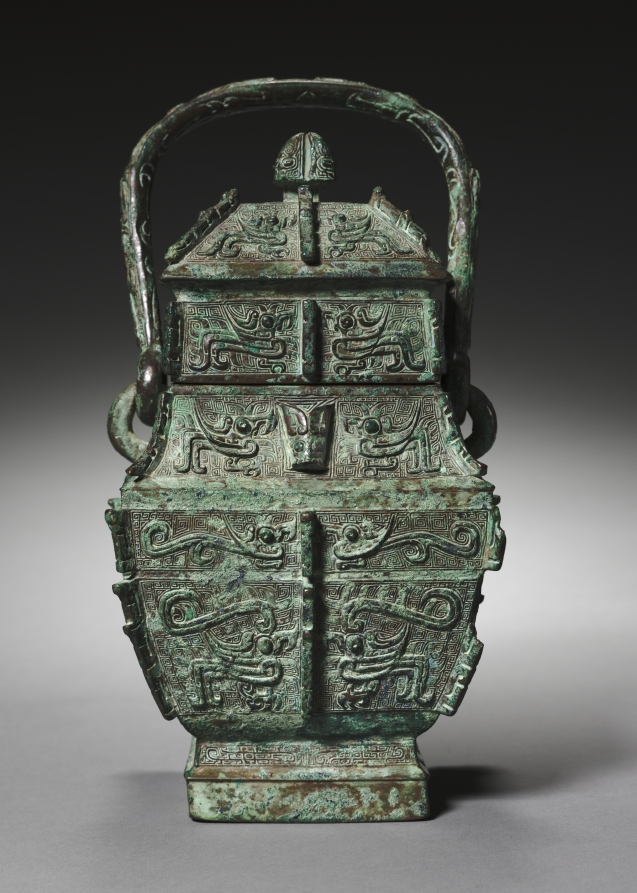
In the game: Across the game's chapters, you keep seeing the same prop: a three- or four-legged bronze cauldron, surface crawling with horned beasts and spirals, looming behind altars and bosses. That is the ding (鼎) — and in real Chinese history, the ding wasn't decoration. It was the political symbol of the state itself.

The real root: From around 1500 BCE through the early empires, bronze ritual vessels were the technology of Chinese kingship. The Shang and Zhou kings cast them in clay piece-moulds; their surfaces wear the taotie animal mask that has decorated everything from Sanxingdui to Black Myth.

Visual lineage

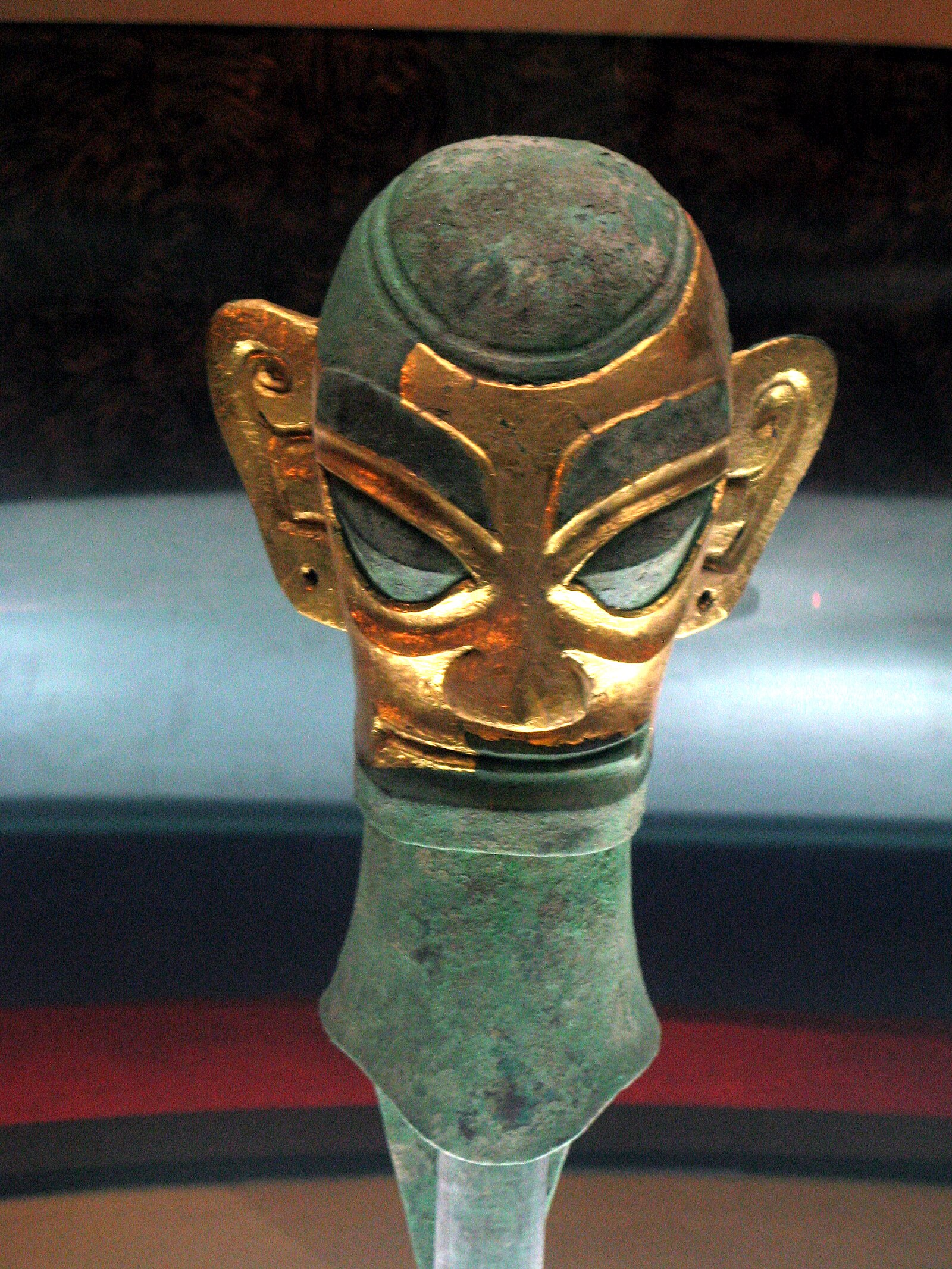
3. Sanxingdui — the bronze masks that look like aliens

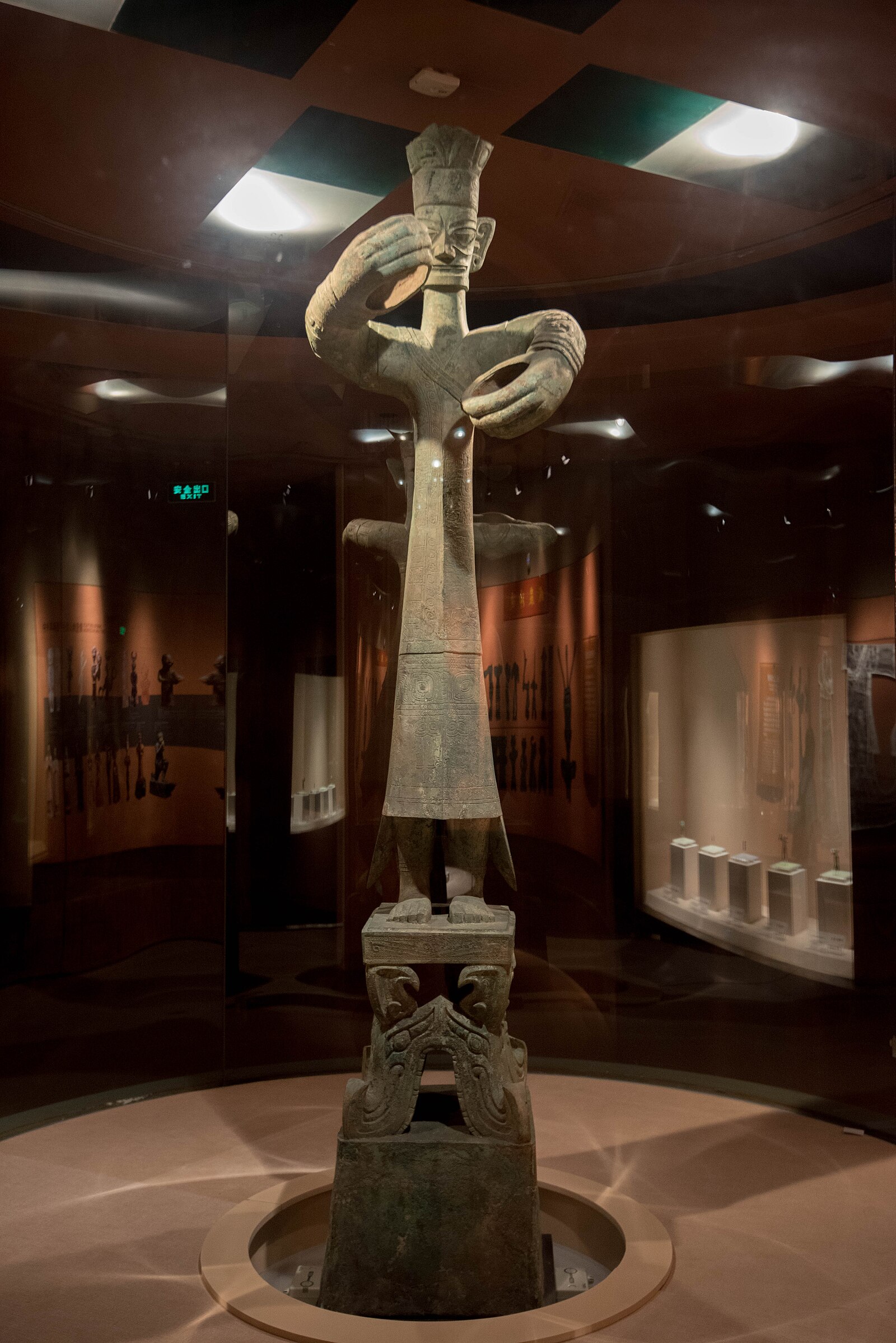
In the game: Black Myth's most uncanny imagery — bulging eyes, ear-stretching grins, towering figures wrapped in geometric ornament — points at one specific source: Sanxingdui. Game Science has acknowledged the influence directly, and you can recognise specific masks recurring in shrine motifs and supernatural set-pieces.

The real root: In 1986 a brick factory crew in Sichuan accidentally dug into a 3,000-year-old sacrificial pit and pulled out objects that did not match anything in the existing canon of Chinese art. Sanxingdui rewrote the textbook. Three decades on, fresh excavations from 2019 onward keep adding pieces.

Visual lineage

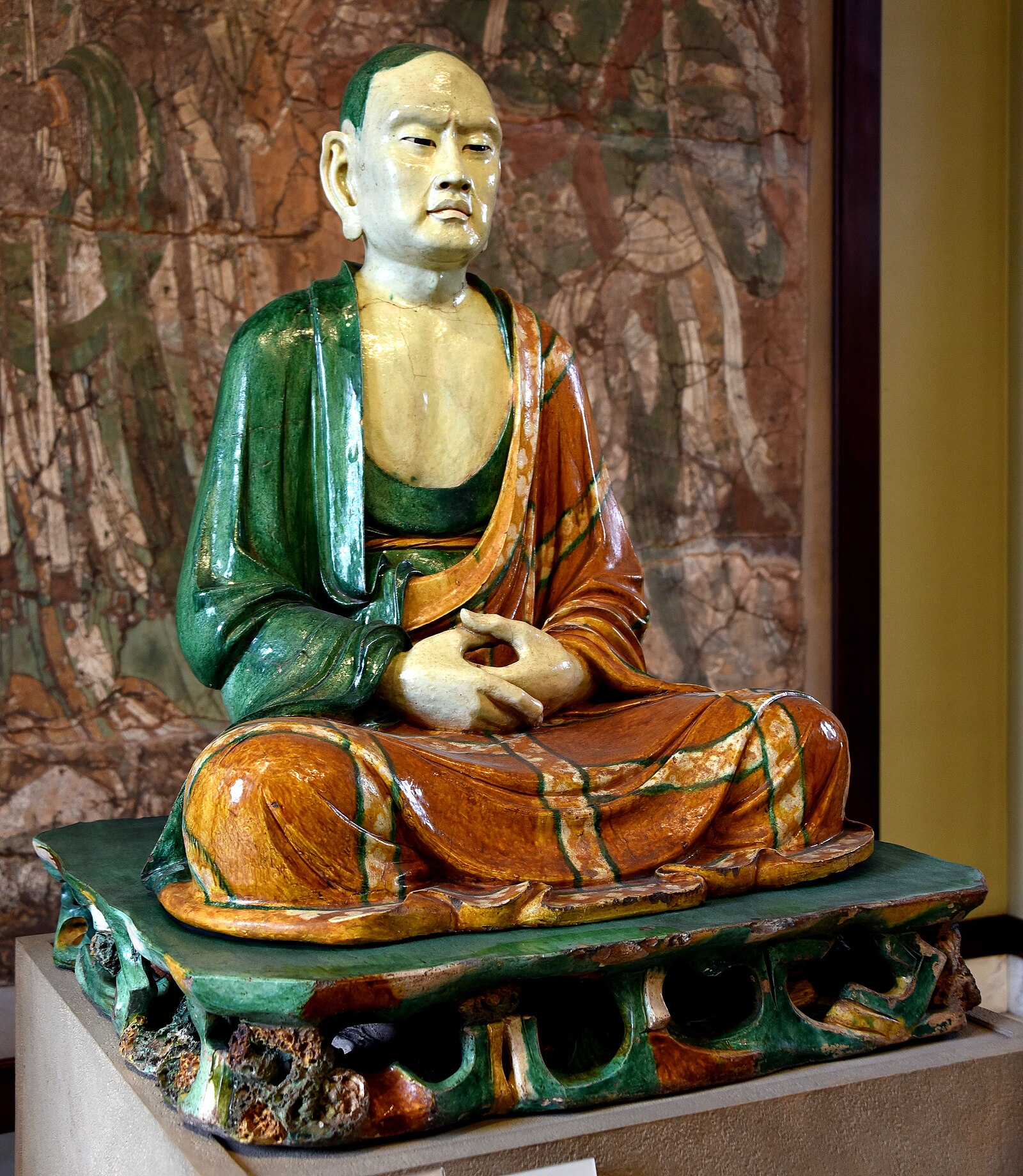
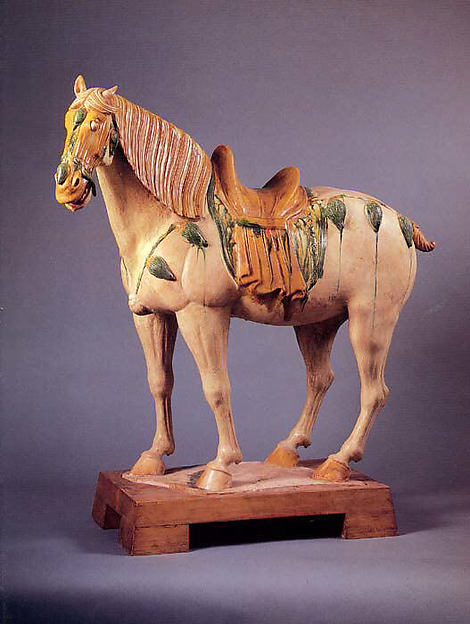
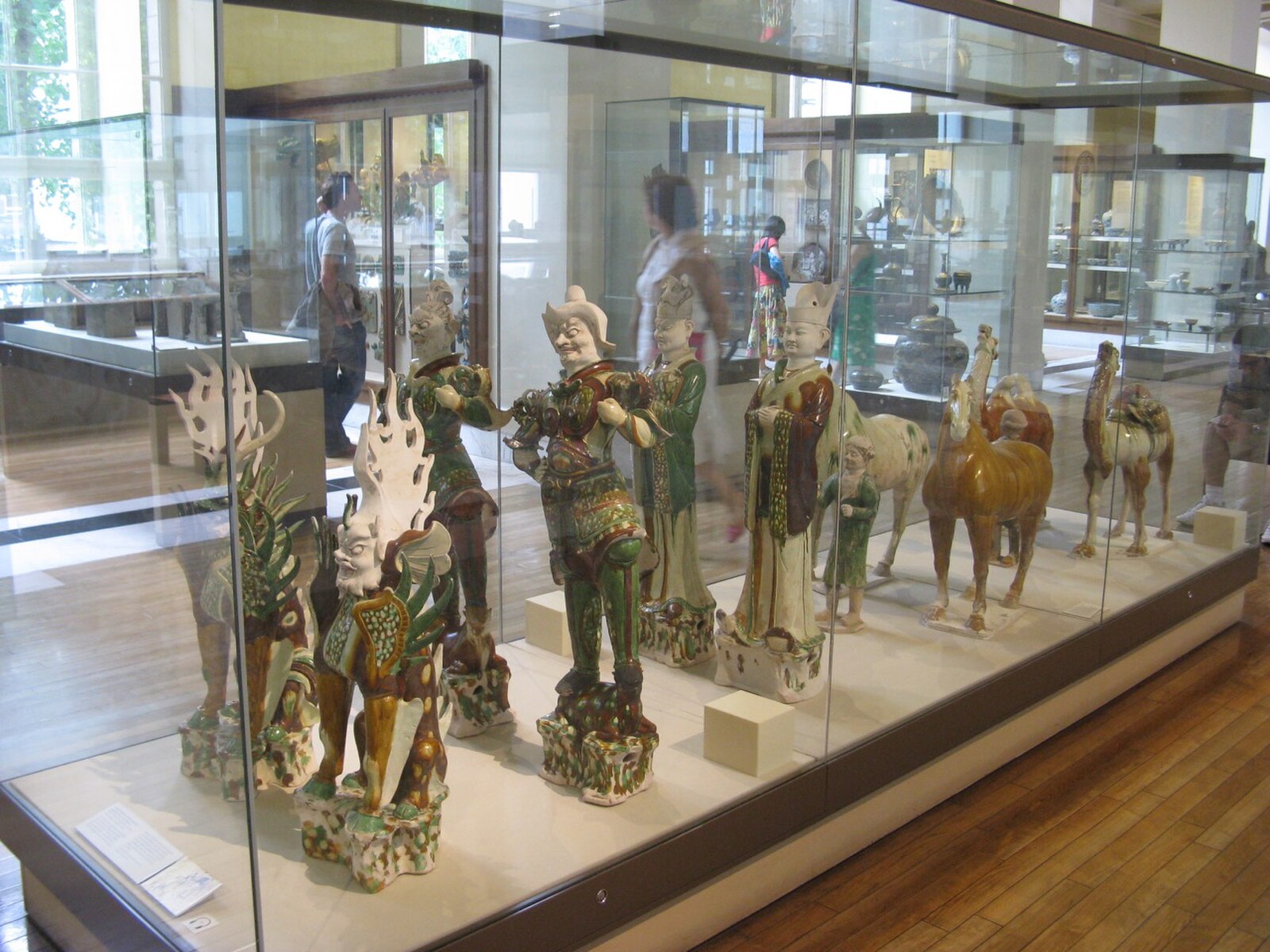
4. Tang sancai — the colour-glazed afterlife

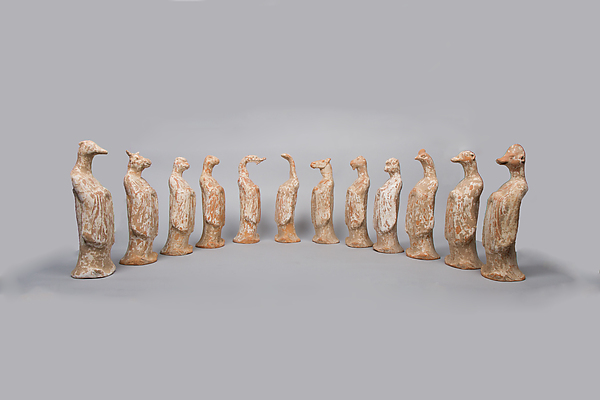
In the game: The pack horses, camels, and tomb-guard beasts that line Black Myth's roadways and mausoleums are stylised descendants of a real Tang-dynasty mortuary tradition. Their characteristic colour palette — amber, green, cream, splashed and flowing — is the signature of sancai (三彩) glazed earthenware.

The real root: Tang aristocrats were buried with whole staffs of glazed-ceramic figures: civil officials, military officials, exotic horses, two-humped camels, fearsome guardian kings, and the twelve zodiac animals to keep the cosmic clock ticking. Several intact assemblages survive — most exported in the 1920s rail-laying boom near Luoyang.

Visual lineage

5. The painted scrolls — landscape, horses, and atmosphere

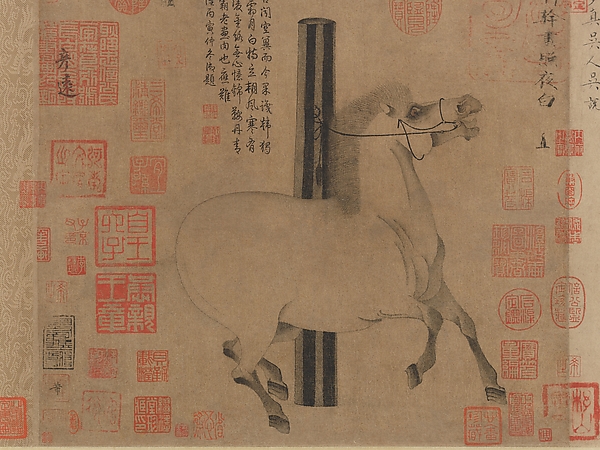
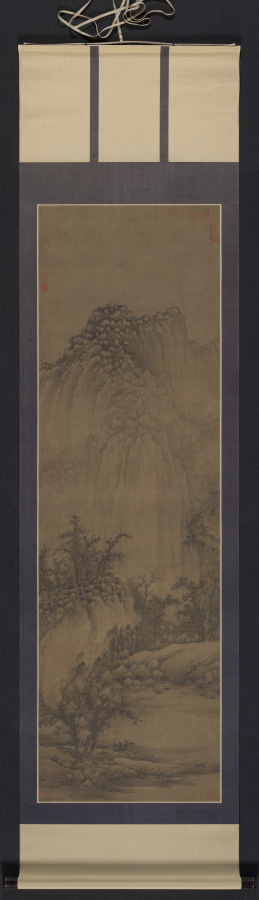
In the game: Black Myth's wide environmental shots — misty peaks, lone scholars on bridges, horses against pale paper — are not just screenshots. They are camera blocking that has been borrowed, almost frame-for-frame, from a thousand years of Chinese landscape painting. The art team explicitly cites Song-dynasty hanging scrolls as reference.

The real root: By the 11th century, Chinese painters had perfected ink-on-silk landscape and animal portrait techniques that the West would take eight more centuries to invent. Many of the most important surviving works are not in China — they left during the dispersal that followed the fall of the Qing.

Visual lineage

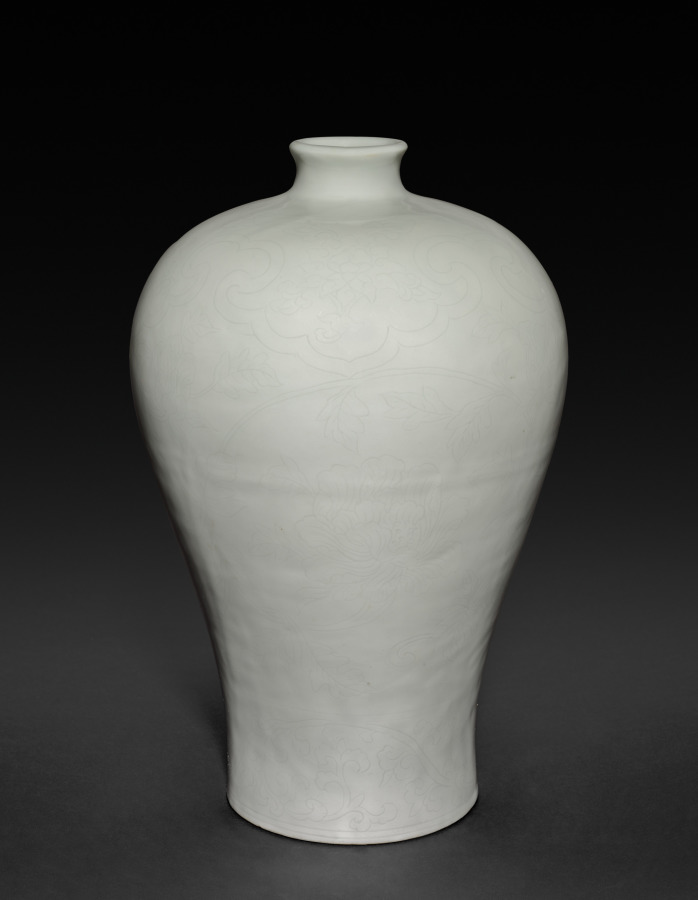
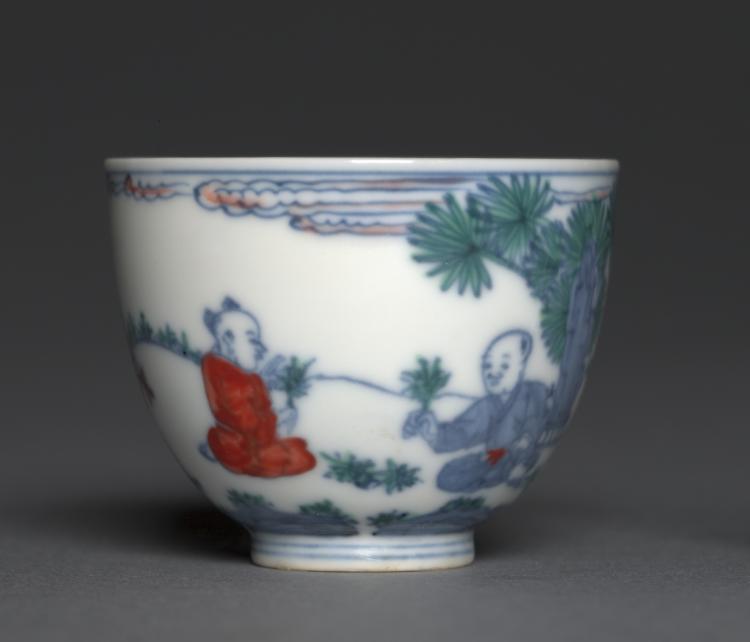
6. Imperial porcelain — what the gods drink from

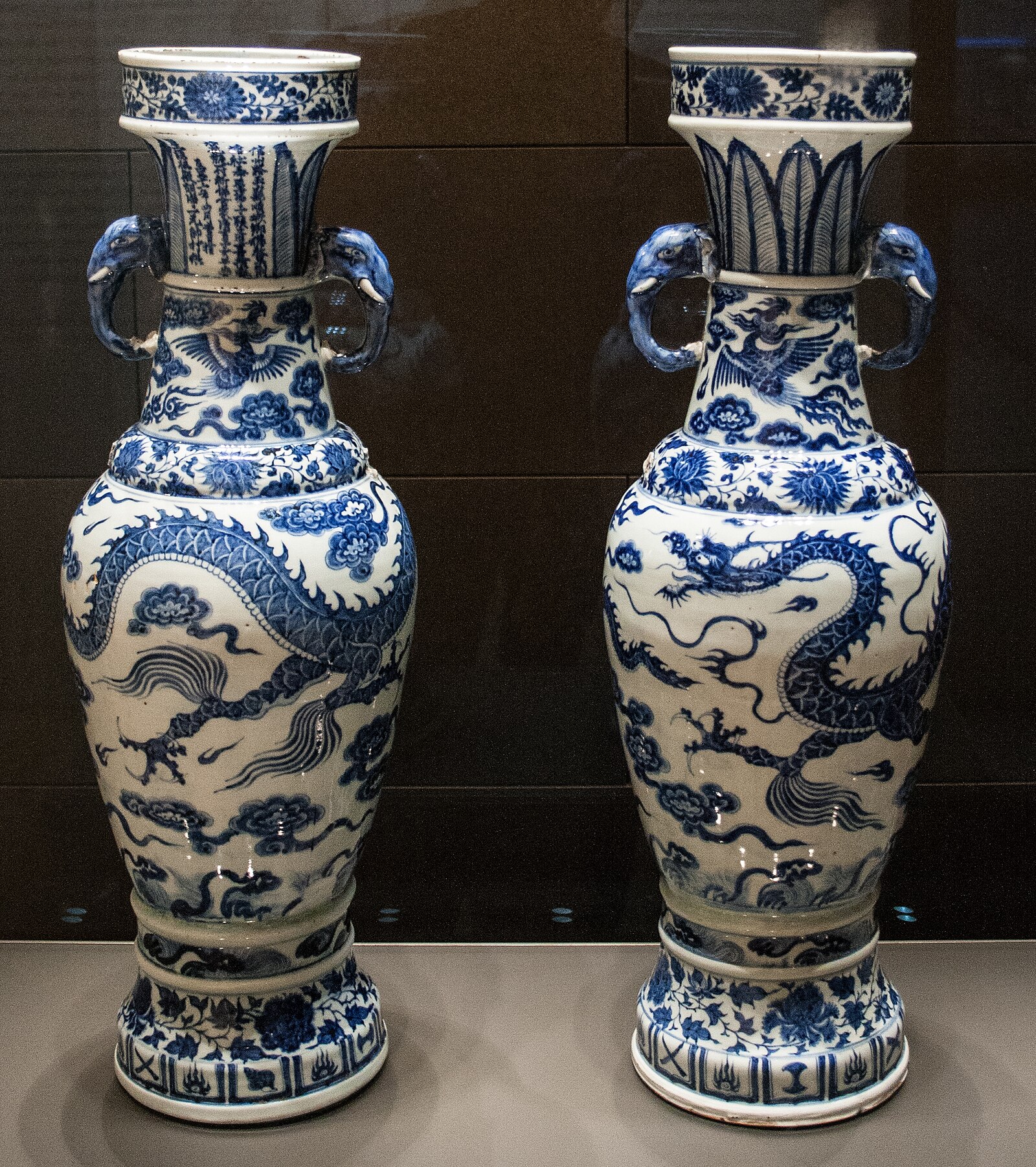
In the game: Whenever a courtly NPC offers Wukong wine or tea, look at the cup. The decorative vocabulary is unmistakably Yuan and Ming imperial porcelain — the most globally consequential Chinese craft tradition, and the one that taught the world the words 'china' and 'porcelain'.

The real root: From the early 14th century, the Jingdezhen kilns turned underglaze cobalt and overglaze enamel into the most prestigious commodity on the Eurasian trade routes. The masterpieces of the tradition are scattered across the world's museums; many of the very best left through the Beijing dealer markets in the 1900s–1930s.

Visual lineage

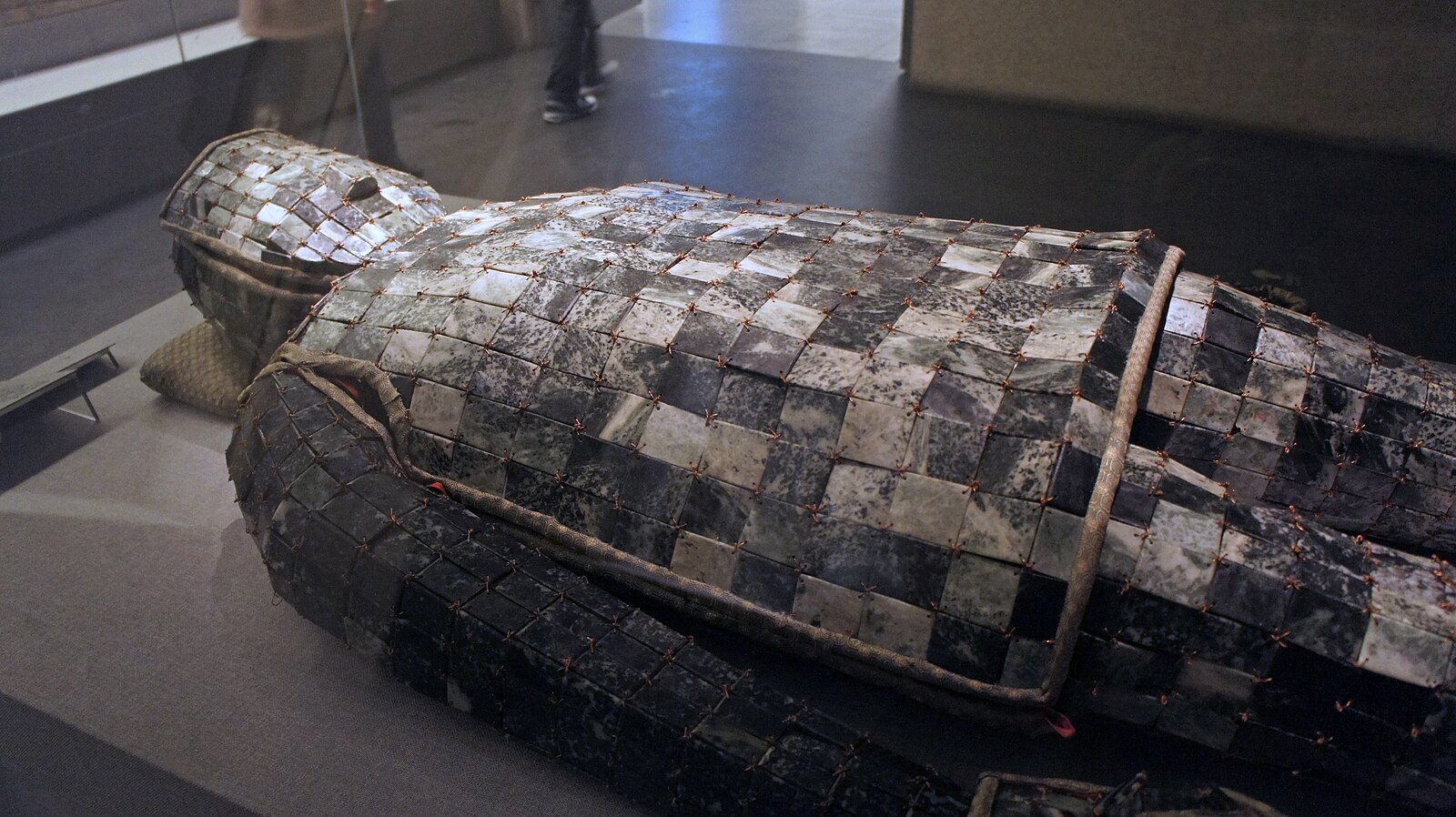
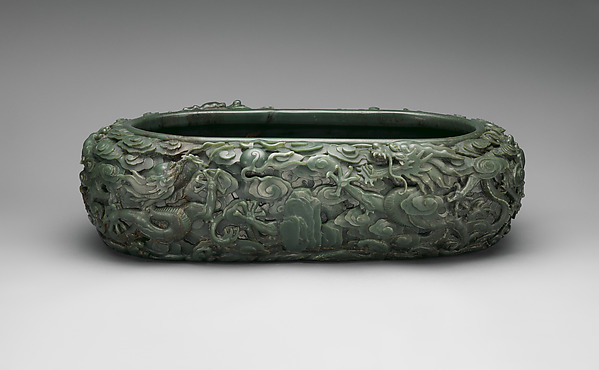
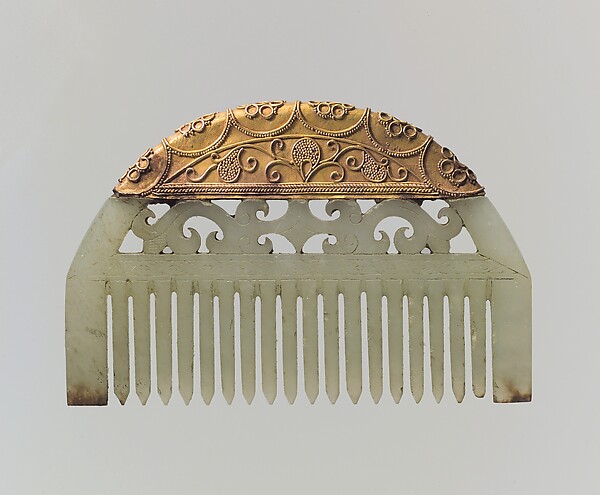
7. Jade — the stone that lets a body live forever

In the game: The pendants and amulets Black Myth's NPCs wear, the carved buckles on Wukong's robe, the small ritual objects that drop from defeated enemies — these draw from China's longest unbroken decorative tradition: jade carving, 7,000 years and counting.

The real root: More valuable than gold, more spiritually potent than any gemstone, jade was the material of immortality. The Chinese aristocratic body was lapped in it — at the wrist, at the waist, at the funeral. Some of the most extraordinary jade survivals are imperial Qing pieces, scattered to Western museums after the Boxer Rebellion and the fall of the dynasty.

Planning a Black Myth pilgrimage?

If the game lit a fuse, you have three realistic itineraries:

  • A China loop. The Sanxingdui Museum (Sichuan), Yungang Grottoes (Shanxi), and Longmen Grottoes (Henan) are all reachable on a 7–10 day rail circuit out of Beijing. The Sanxingdui Museum alone is worth the flight.
  • A US east-coast loop. The Met (New York) and the Cleveland Museum of Art are 8 hours apart by car, and between them they hold most of the Chinese objects flagged in this guide. Cleveland is free entry every day.
  • A London single. The British Museum collection alone covers Buddhist sculpture, Yuan porcelain, and Tang ceramics — see our British Museum guide for a self-guided one-day route.

Already finished Black Myth? Try the companion field guides: Every Liyue Visual in Genshin Impact, Every Symbol in Ne Zha 2 (哪吒之魔童闹海), and Every Visual in Empresses in the Palace (甄嬛传), all mapped to real museum objects.

For the full inventory of Chinese masterpieces in Western museums, see our Treasures Abroad index. For a wider tour of the games, films, and dramas drawing on Chinese material culture, see Inspirations.

About this guide

Researched and written by China Heritage. Object photographs and metadata are CC0 / public domain releases from The Met Open Access, Cleveland Museum Open Access, and Wikimedia Commons. Connections drawn between game and artifact are art-historical inferences, not Game Science statements unless noted; see Methodology for our standards.