
Cultural Context
Set in a fictionalized version of the Liang Dynasty (502–557 AD), the series drew its visual design from Southern Dynasties material culture: flowing scholar robes, bamboo-strip documents, celadon wares, bronze weaponry, incense rituals, and mountain hermitage architecture. The production design avoids the over-decorated Qing aesthetic common in Chinese TV, favoring an austere scholarly style closer to Six Dynasties painting. For global viewers who discovered the show on streaming platforms, it served as an introduction to a less familiar period of Chinese history — a time of fragmented kingdoms, philosophical debate, military rivalries, and the beginnings of Chinese landscape aesthetics that would flower in the Tang and Song.
Real Artifacts Behind the Work
4 direct connections to Chinese cultural heritage.
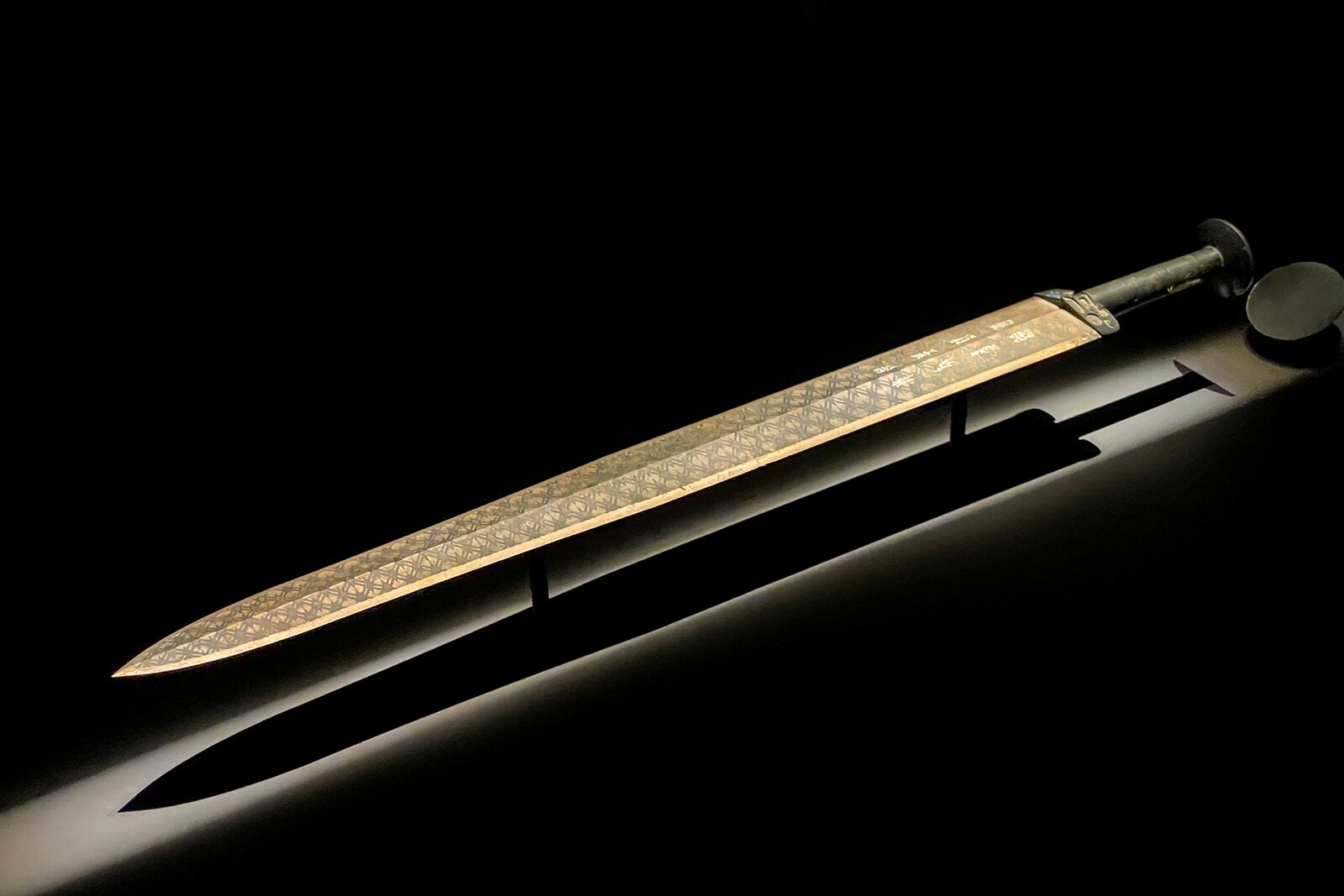
The Connection
The show's world runs on sword prestige, military honor, and named blades as extensions of a warrior's identity — a tradition stretching back to Spring and Autumn swords like the Sword of Goujian.
Read the full story →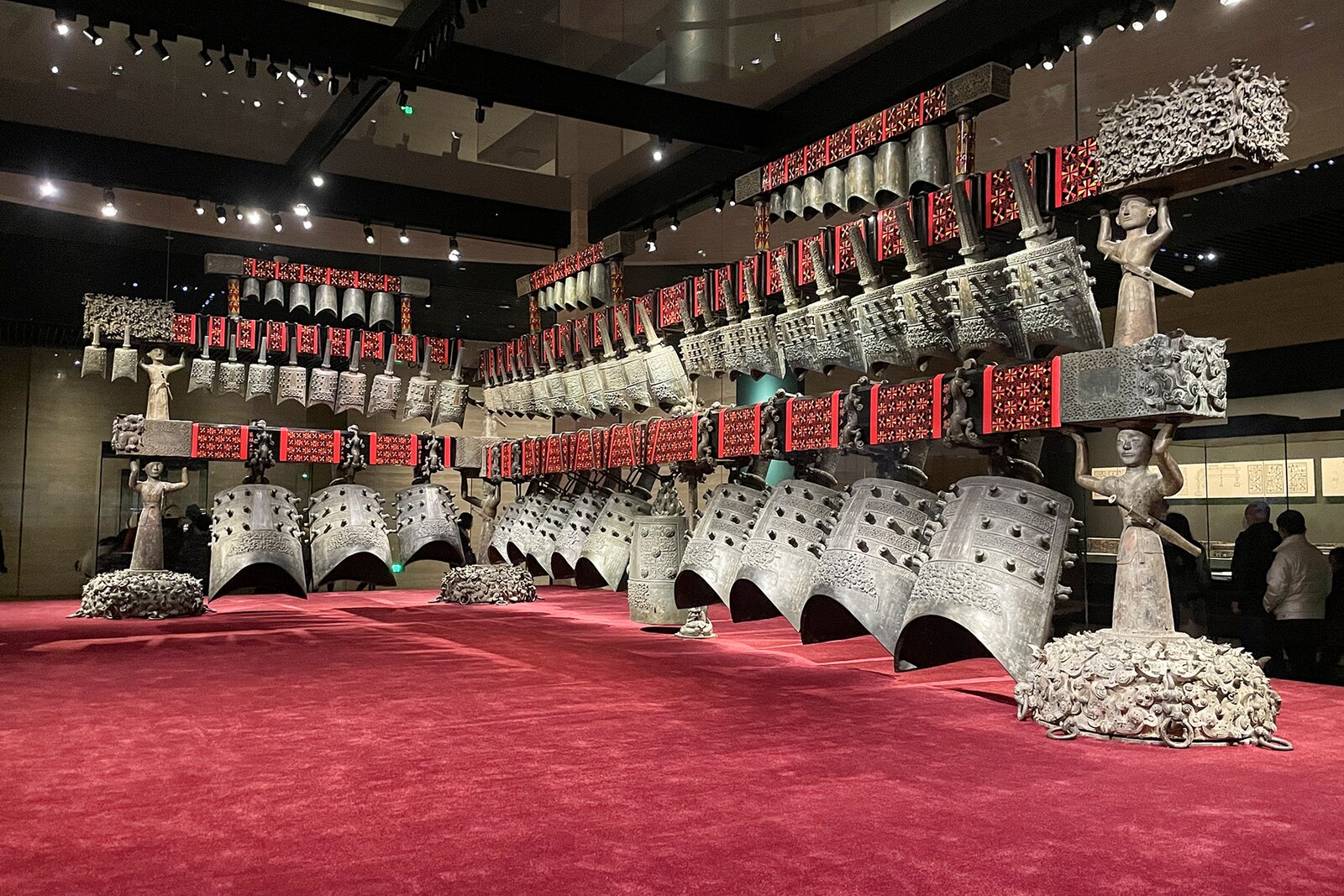
The Connection
Court ceremony, music, and ritual hierarchy are central to the drama's political architecture — the same world of bronze-bell court music that the Marquis Yi set preserves.
Read the full story →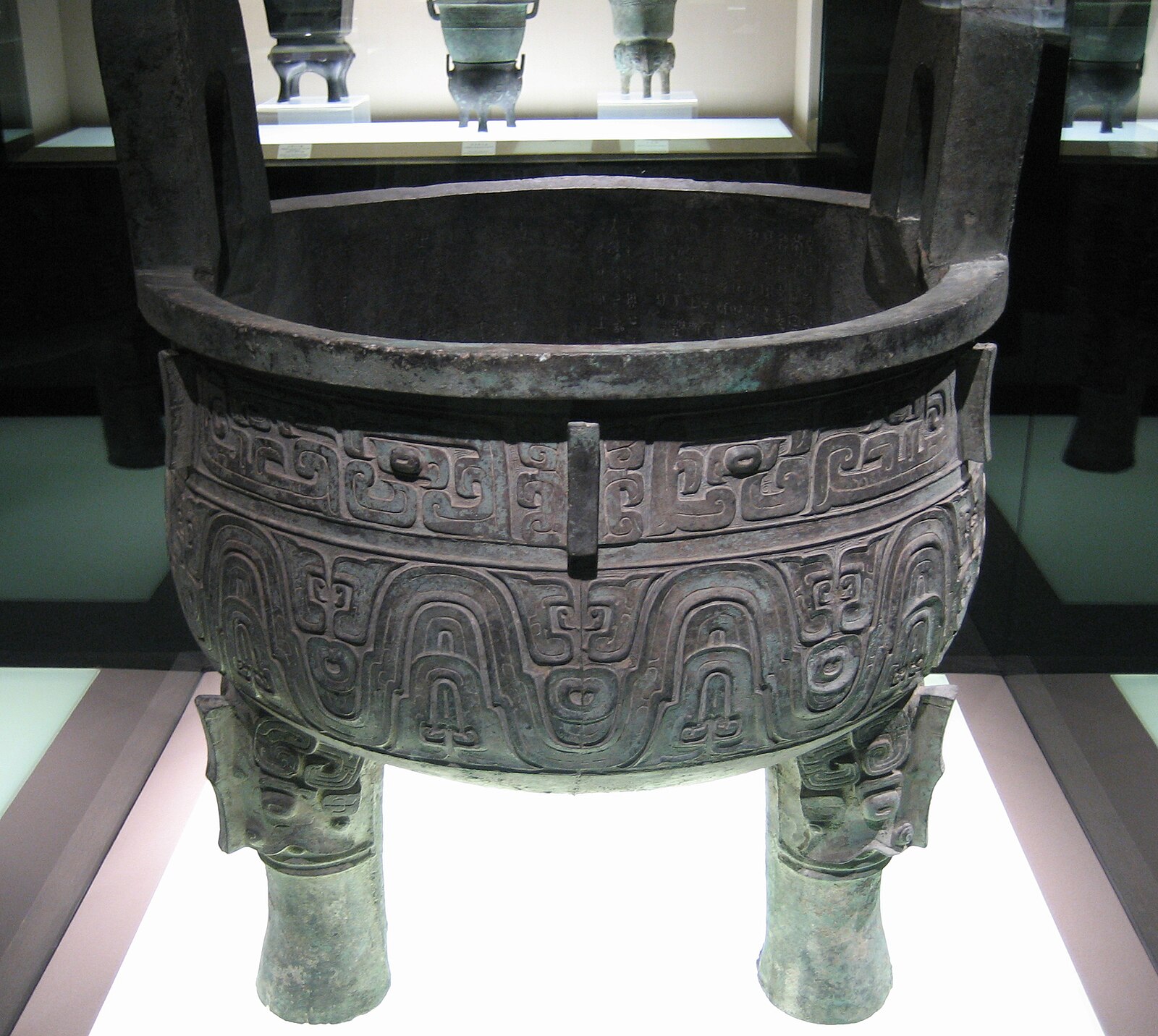
The Connection
Political legitimacy in the show depends on titles, ancestral rites, and imperial grants — the inscribed bronze tradition of recording such authority reaches back to Western Zhou vessels like the Da Ke Ding.
Read the full story →
The Connection
The show's meticulous interior design — screen walls, inkstones, oil lamps, incense burners — reflects the material culture of elite Chinese households that the Changxin Lamp exemplifies at its most refined.
Read the full story →Related Themes
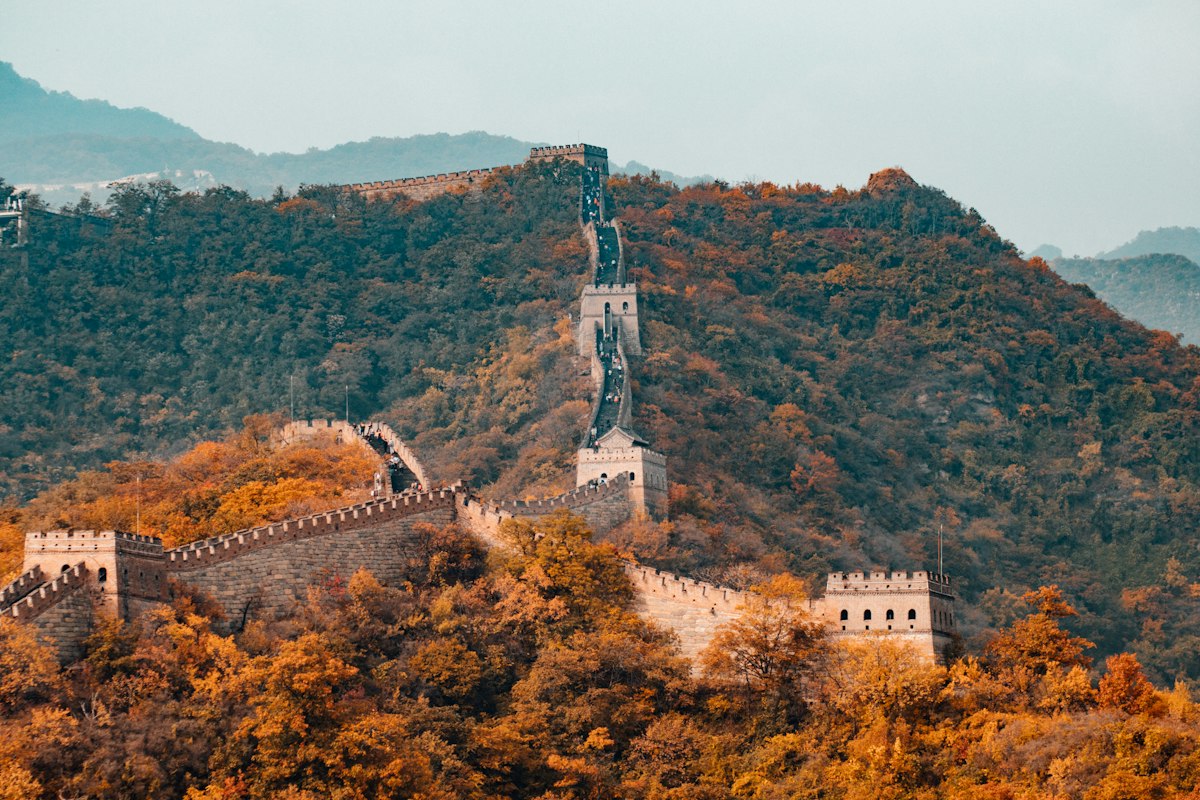
Warriors, Weapons, and Empire
The material culture of conquest, defense, and military memory
Chinese military heritage is not only swords and soldiers. It includes bronze technology, mass production, tomb armies, court ritual, and the stories later dynasties told about heroic violence.
5 artifacts →
Imperial Power and Court Life
How objects made authority visible inside the palace
From bronze cauldrons and jade suits to porcelain vases and court paintings, imperial China turned objects into a language of rank, legitimacy, and ritual performance.
5 artifacts →
Music, Ritual, and Performance
Sound, ceremony, and spectacle from Bronze Age courts to Tang banquets
Ancient Chinese performance culture linked music, ritual, drinking, procession, and court display into a single sensory world preserved in bells, cups, paintings, and tomb goods.
4 artifacts →
Frequently asked questions
What real Chinese artifacts inspired Nirvana in Fire?+
Nirvana in Fire draws on multiple real Chinese artifacts and traditions, most notably: Sword of Goujian, Bianzhong of Marquis Yi of Zeng, Da Ke Ding (Large Ke Tripod), Changxin Palace Lamp. Each is documented in a Chinese museum and many are visible to the public today. See the connections section above for specific scene-by-scene references.
Where can I see the artifacts that inspired Nirvana in Fire?+
The artifacts referenced by Nirvana in Fire are held by: Hubei Provincial Museum, Shanghai Museum, Hebei Provincial Museum. Most have public galleries with regular visitor hours; a few have travelled to international exhibitions.
Who created Nirvana in Fire?+
Nirvana in Fire was developed by Daylight Entertainment / Shandong TV and released in 2015. It is a tv series produced in China.
Is Nirvana in Fire historically accurate?+
Nirvana in Fire is a creative work, not a documentary. It draws inspiration from real Chinese material culture but adapts and dramatises freely. Our role at China Heritage is to identify which historical references the work is drawing on, with citations to museum primary sources, so curious viewers can separate the historical core from the creative invention.
Where can I learn more about Chinese material culture beyond Nirvana in Fire?+
Browse our Topics index for cross-museum themes (bronze ritual, jade and immortality, blue-and-white porcelain) and our Treasures Abroad index for the 28 great Chinese masterpieces in Western museum collections. Each theme links back to specific artifacts you can read about in detail.