Changxin Palace Lamp
A gilt-bronze lamp shaped as a kneeling court lady holding a lantern — simultaneously a functional smoke-filtering lamp, a portrait sculpture, and a masterpiece of Han Dynasty engineering and art.

The Story
Discovered in 1968 in the tomb of Dou Wan (wife of Prince Liu Sheng) at Mancheng, Hebei, this lamp is both a technical marvel and a work of art. The figure of a palace maid kneels with one arm raised, her wide sleeve forming a windshield and smoke channel. The hollow arm conducts lamp smoke downward into the figure's body cavity, which held water to dissolve soot — an ancient pollution-control system. The lamp can be disassembled into components for cleaning. An inscription reveals the piece was made for the Changxin Palace (長信宮), residence of Empress Dowager Dou, grandmother of Emperor Wu of Han. The lamp passed through at least three owners before burial.
Why It Matters
The most famous example of Han Dynasty functional art — celebrated as both green engineering (smoke filtration) and portraiture that anticipates naturalism by centuries.
Frequently Asked Questions
1. What is Changxin Palace Lamp?
A gilt-bronze lamp shaped as a kneeling court lady holding a lantern — simultaneously a functional smoke-filtering lamp, a portrait sculpture, and a masterpiece of Han Dynasty engineering and art.
2. When was Changxin Palace Lamp made?
Changxin Palace Lamp dates to c. 172 BC, during the Western Han Dynasty.
3. Where can I see Changxin Palace Lamp?
Changxin Palace Lamp is held by Hebei Provincial Museum in China. Check the linked collection record or museum website before visiting because display rotations can change.
4. Why is Changxin Palace Lamp important?
The most famous example of Han Dynasty functional art — celebrated as both green engineering (smoke filtration) and portraiture that anticipates naturalism by centuries.
5. What is Changxin Palace Lamp made of?
Changxin Palace Lamp is classified as bronze and made of Gilt bronze.
Fun Facts
Functions as an ancient air purifier — smoke travels through the sleeve and dissolves in water inside the body
Can be completely disassembled into 6 parts for cleaning
Bears inscriptions from three successive owners before burial
Buried with the same prince (Liu Sheng) whose jade burial suit is another national treasure
Where to See It
Public collections holding this artifact or closely related pieces.
In Popular Culture
Modern games, films, and TV shows that draw on this artifact.

The Connection
The drama's attention to historical lighting — oil lamps, candle stands, lanterns — connects to a long Chinese tradition of lamp design as both functional art and court status symbol, exemplified by the Han Dynasty Changxin Palace Lamp.

The Connection
The show's meticulous interior design — screen walls, inkstones, oil lamps, incense burners — reflects the material culture of elite Chinese households that the Changxin Lamp exemplifies at its most refined.
Part of These Themes

Related Artifacts
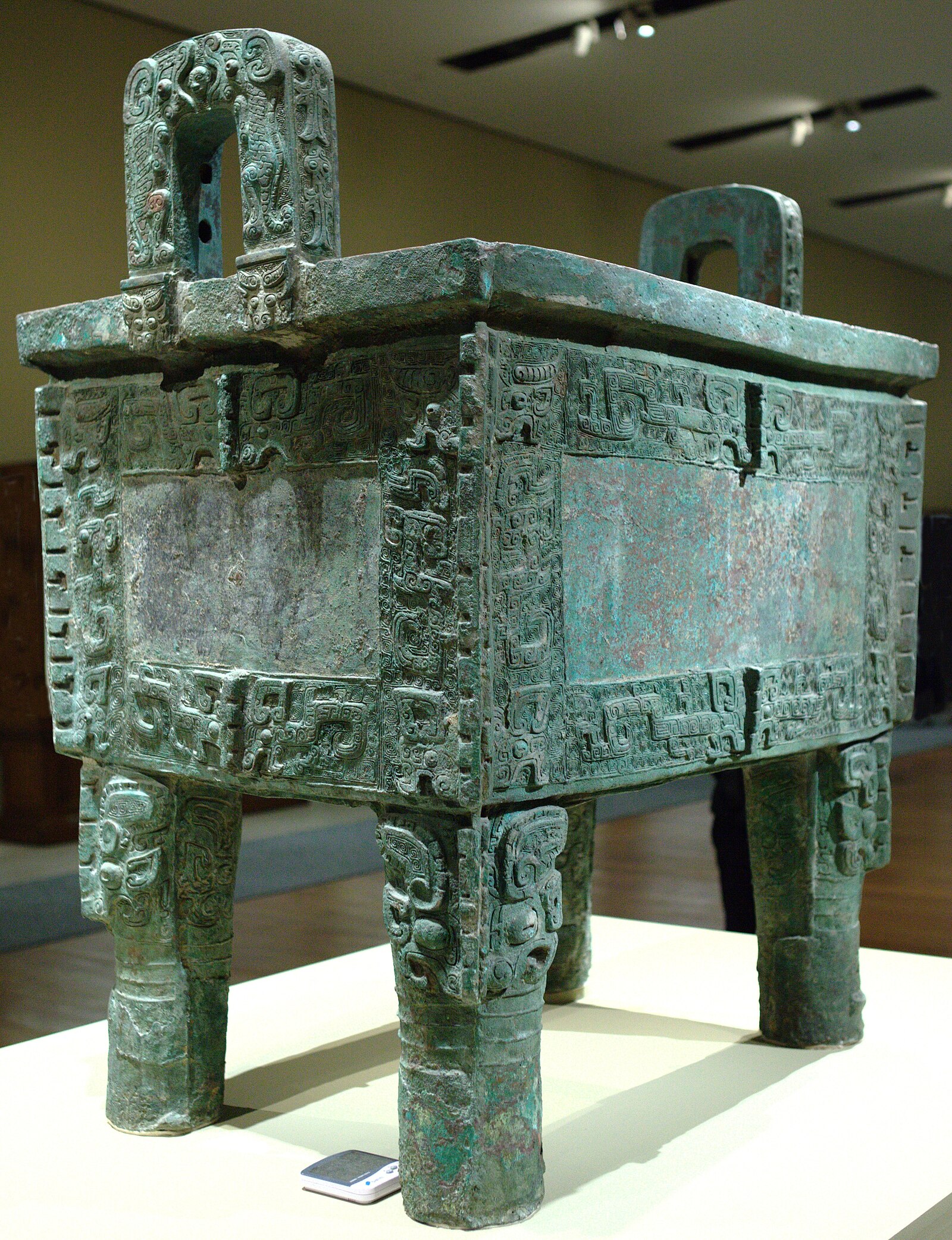
Bronze
Simuwu Ding (Houmuwu Ding)
The heaviest piece of bronze work ever found in the ancient world — a monumental ritual vessel weighing 832.84 kg that required the coordinated effort of hundreds of craftsmen.
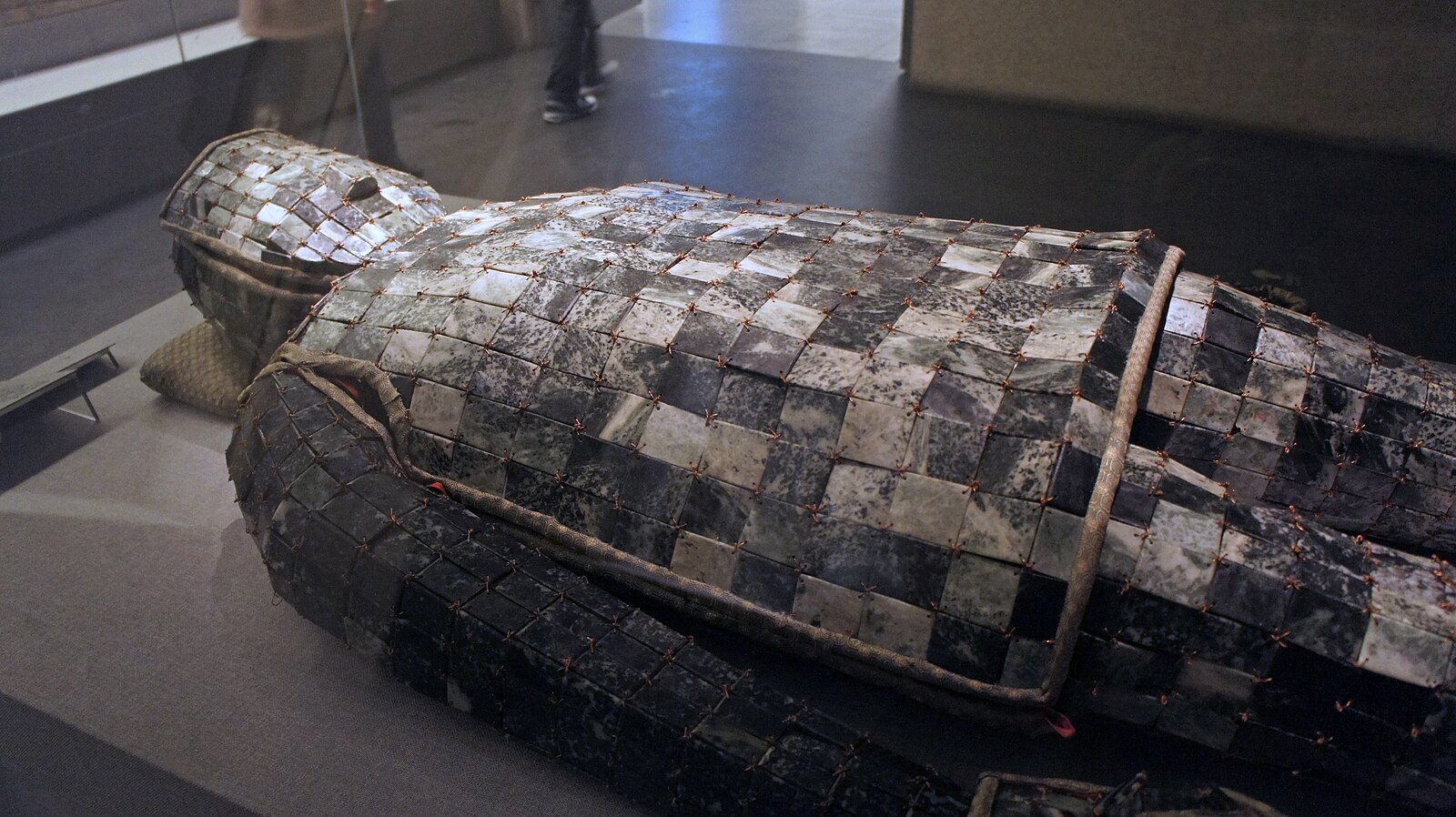
Jade
Jade Burial Suit of Prince Liu Sheng
An entire suit made of 2,498 jade tiles sewn together with 1,100 grams of gold wire — built to grant immortality to a Han prince.
Sources & References
- ·Wikipedia — Changxin Palace lamp(CC-BY-SA 3.0)
Content informed by the sources above. Where Wikipedia text is used, it is licensed under CC-BY-SA 3.0.