The Story
For global travelers, the Terracotta Warriors are often the first Chinese archaeological site they search for. But the larger Qin mausoleum is more than a clay army. It is a buried model of empire: infantry units, cavalry, chariots, bronze waterfowl, court officials, entertainers, and two astonishing bronze carriages that suggest the emperor continued to rule, travel, inspect, and command after death. Recent overseas exhibitions of newly excavated Shaanxi material have kept the topic in search trends, especially among museum and travel audiences planning Xi'an itineraries under China's expanded visa-free transit policy. This topic connects the blockbuster image of the warriors to the technical and political world that made them possible.
Artifacts in This Theme
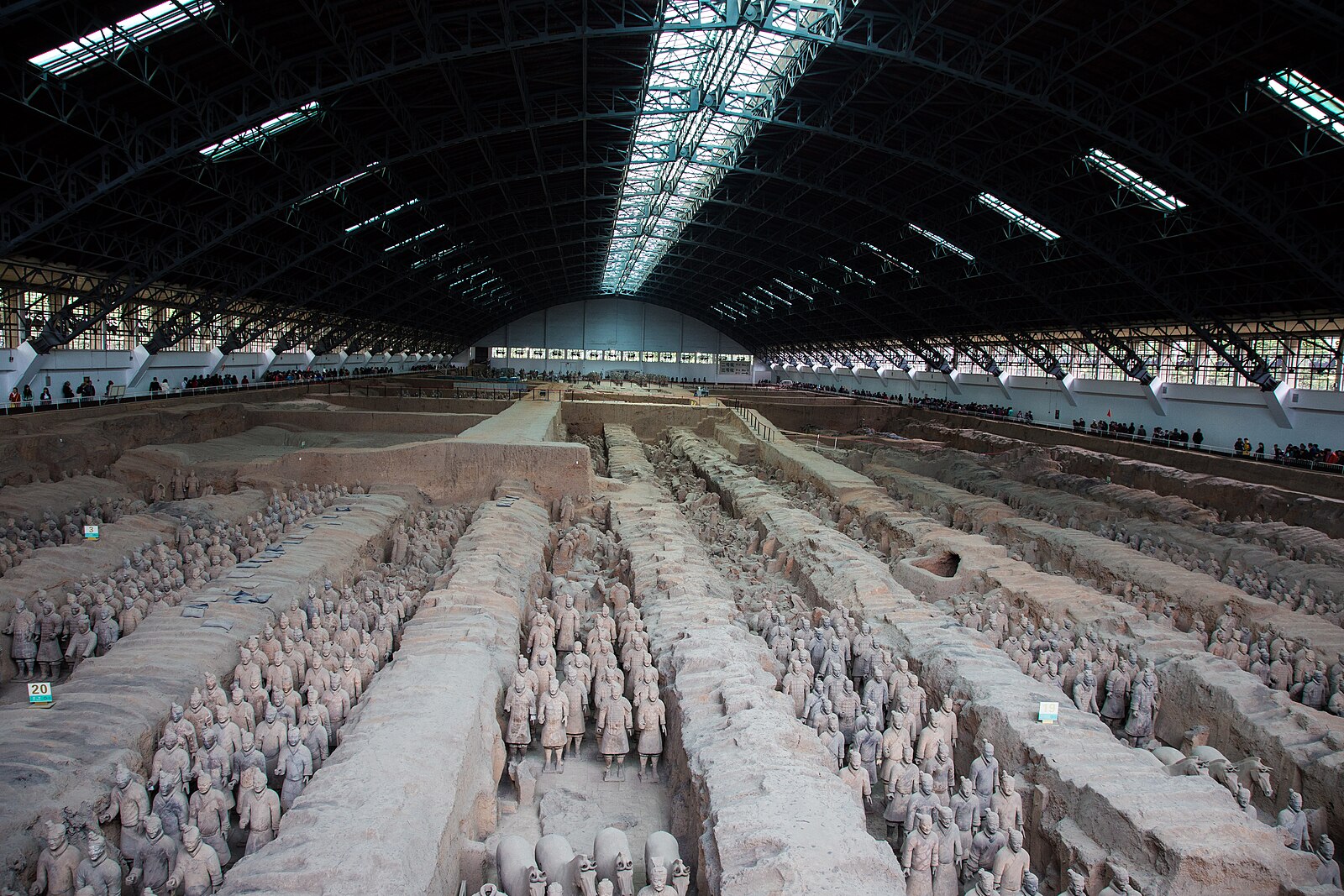
Sculpture
Terracotta Warriors
An army of over 8,000 life-sized clay soldiers, each with unique facial features, built to guard China's first emperor in the afterlife.
Bronze
Bronze Chariot and Horses of Qin Shi Huang
Two half-life-size bronze chariots excavated near Qin Shi Huang's mausoleum — the most complex bronze vehicles ever found in ancient China, assembled from thousands of individually cast parts.
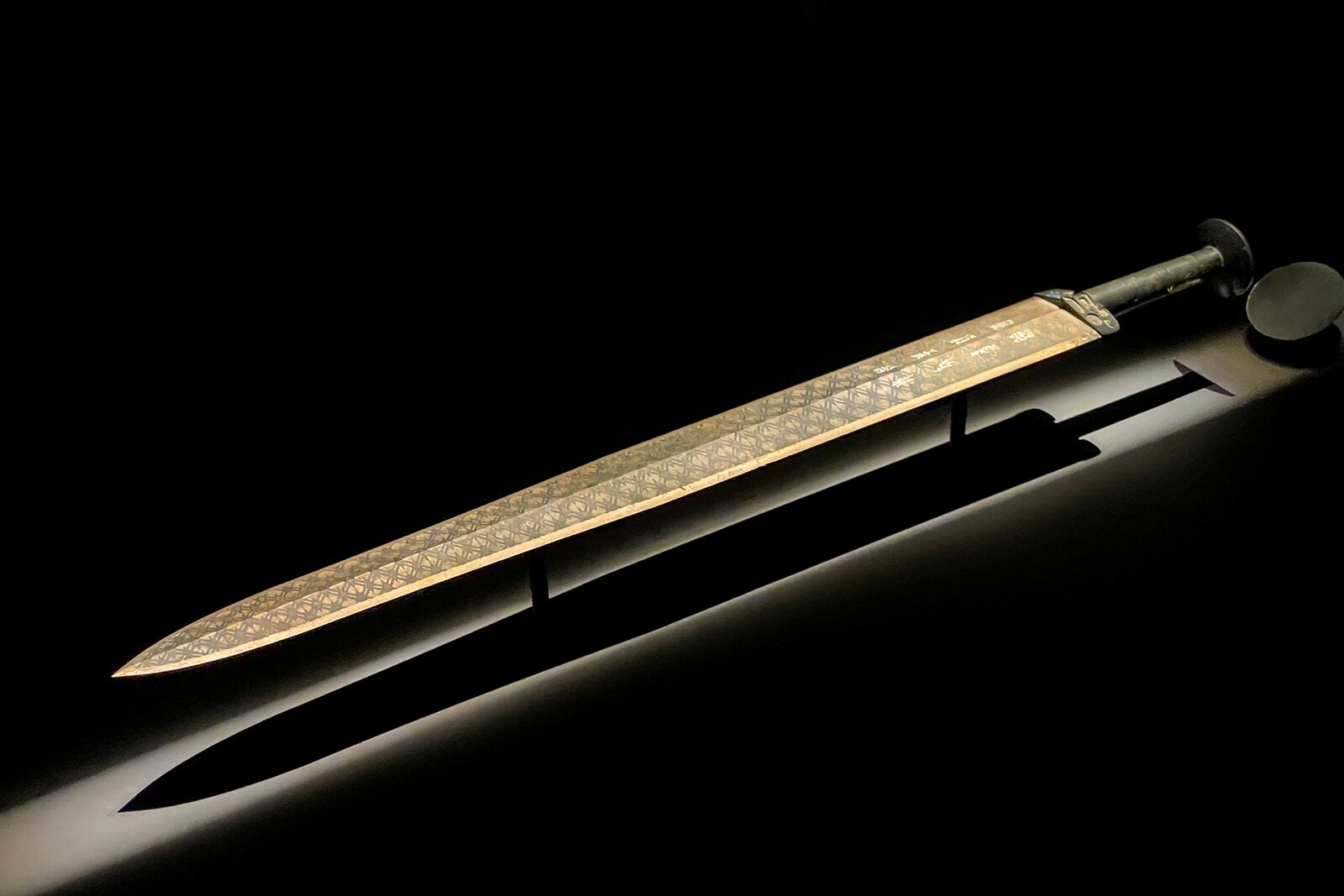
Weapons
Sword of Goujian
A 2,500-year-old sword found still razor-sharp and untarnished — a testament to ancient Chinese metallurgical genius.
Where to See Them
Museum of Terracotta Warriors and Horses
Emperor Qinshihuang's Mausoleum Site Museum
Hubei Provincial Museum
In Popular Culture
Frequently Asked
What is the "Qin Empire, Terracotta Army & Xi'an Heritage" theme about?
The Terracotta Army is only one part of Qin Shi Huang's vast afterlife empire — a ritual-military landscape of clay soldiers, bronze chariots, weapons, acrobats, officials, and an unopened imperial tomb.
Which artifacts are part of "Qin Empire, Terracotta Army & Xi'an Heritage"?
This theme groups 3 artifacts, including Terracotta Warriors, Bronze Chariot and Horses of Qin Shi Huang, Sword of Goujian. Each entry on this page links to the artifact's full record with provenance, dating, and museum source.
Where can I see the artifacts in this theme in person?
The pieces in this theme are currently held by Museum of Terracotta Warriors and Horses, Emperor Qinshihuang's Mausoleum Site Museum, and Hubei Provincial Museum. Some institutions rotate their displays, so we recommend checking the museum's website before visiting.
Is this theme based on academic sources?
Yes — every claim links to a primary or scholarly source, including Wikipedia — Terracotta Army, Wikipedia — Qin Shi Huang. The full list of references is shown in the sidebar of this page.
Why is "Terracotta Warriors" considered iconic for this theme?
An army of over 8,000 life-sized clay soldiers, each with unique facial features, built to guard China's first emperor in the afterlife.