
Cultural Context
Mulan's world is visually compressed from many periods of Chinese history rather than reconstructed from one dynasty. The film borrows imperial court ceremony, massed military formations, ancestral tablets, cavalry imagery, and sword symbolism to create a legible China for global audiences. That compression makes it especially useful as a museum gateway. The real object record separates what the film blends together: Qin tomb armies for mass military spectacle, Warring States swords for elite weapon culture, Tang luxury goods for cosmopolitan court style, and Song painting for the idea of Chinese cities as dense visual worlds.
Real Artifacts Behind the Work
3 direct connections to Chinese cultural heritage.
The Connection
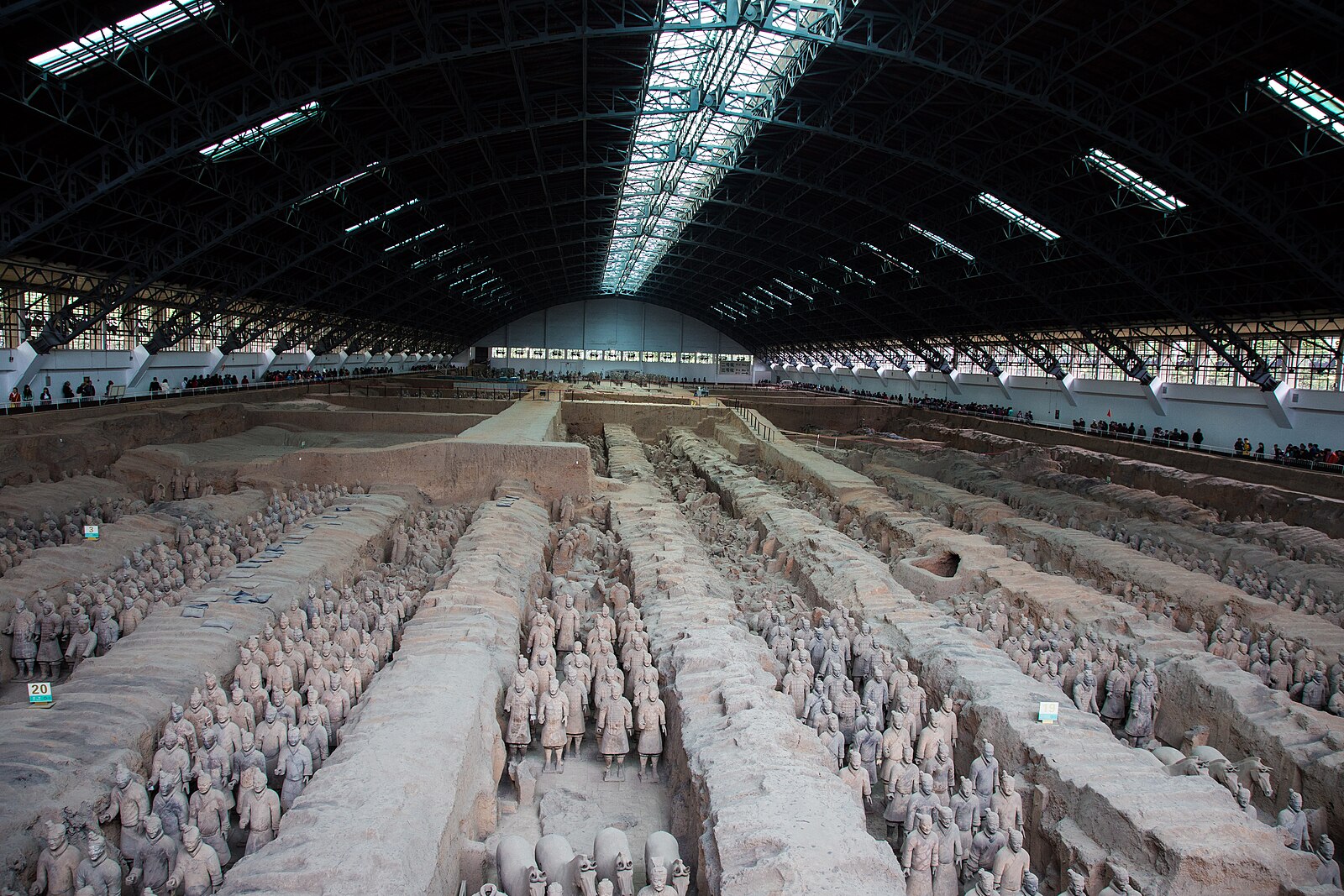
The film's most memorable military images — ranked soldiers, imperial command, mass mobilization — echo the visual power of the Terracotta Army, the ultimate image of Chinese soldiers turned into state spectacle.
Read the full story →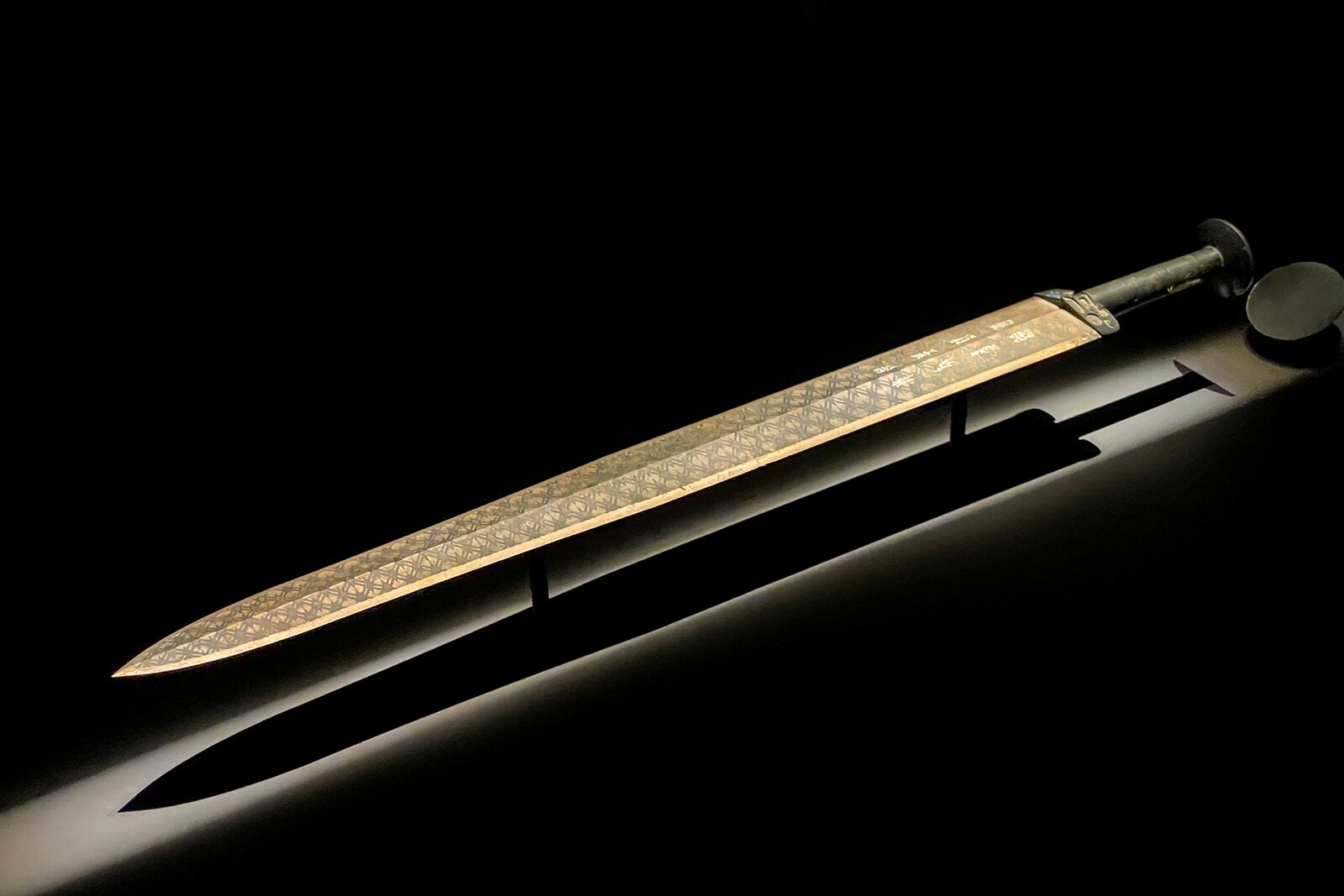
The Connection
Mulan's sword is a moral object as much as a weapon. The Sword of Goujian shows how Chinese blades could function as royal identity, technical marvel, and legendary symbol at once.
Read the full story →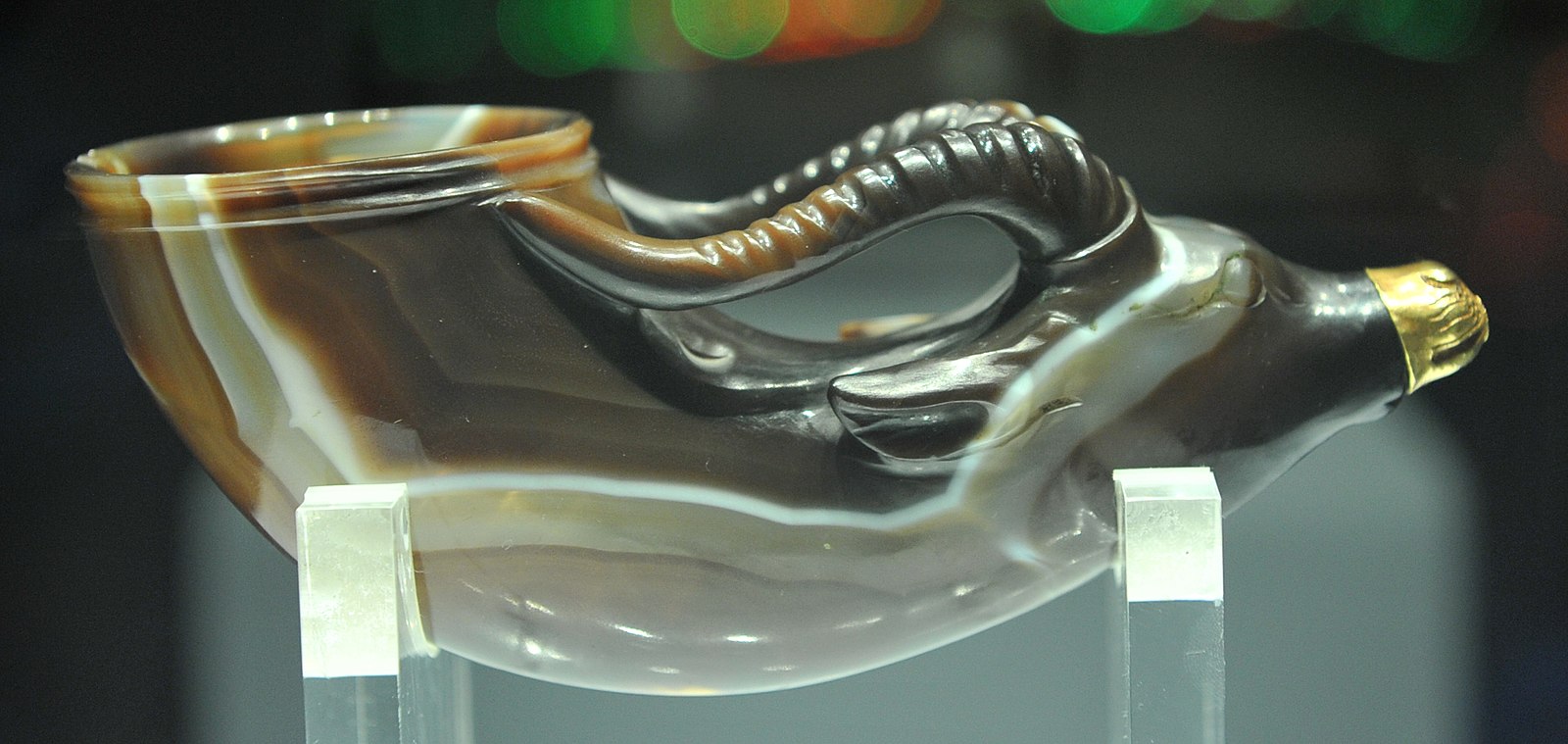
The Connection
The film's courtly banquet and gift-giving vocabulary fits the long history of Chinese luxury objects shaped by Silk Road exchange, represented here by the Tang beast-head agate cup.
Read the full story →Related Themes

Warriors, Weapons, and Empire
The material culture of conquest, defense, and military memory
Chinese military heritage is not only swords and soldiers. It includes bronze technology, mass production, tomb armies, court ritual, and the stories later dynasties told about heroic violence.
5 artifacts →

Tang Dynasty Silk Road Treasures
When Chang'an was the most cosmopolitan city on Earth
For three centuries, the Tang capital of Chang'an absorbed Persian silver, Sogdian music, Indian Buddhism, and Byzantine gold — and produced artifacts that fused them all.
1 artifact →
Imperial Power and Court Life
How objects made authority visible inside the palace
From bronze cauldrons and jade suits to porcelain vases and court paintings, imperial China turned objects into a language of rank, legitimacy, and ritual performance.
5 artifacts →
Frequently asked questions
What real Chinese artifacts inspired Mulan?+
Mulan draws on multiple real Chinese artifacts and traditions, most notably: Terracotta Warriors, Sword of Goujian, Beast-Head Agate Cup. Each is documented in a Chinese museum and many are visible to the public today. See the connections section above for specific scene-by-scene references.
Where can I see the artifacts that inspired Mulan?+
The artifacts referenced by Mulan are held by: Museum of Terracotta Warriors and Horses, Hubei Provincial Museum, Shaanxi History Museum. Most have public galleries with regular visitor hours; a few have travelled to international exhibitions.
Who created Mulan?+
Mulan was developed by Walt Disney Feature Animation and released in 1998. It is a film produced in United States / China.
Is Mulan historically accurate?+
Mulan is a creative work, not a documentary. It draws inspiration from real Chinese material culture but adapts and dramatises freely. Our role at China Heritage is to identify which historical references the work is drawing on, with citations to museum primary sources, so curious viewers can separate the historical core from the creative invention.
Where can I learn more about Chinese material culture beyond Mulan?+
Browse our Topics index for cross-museum themes (bronze ritual, jade and immortality, blue-and-white porcelain) and our Treasures Abroad index for the 28 great Chinese masterpieces in Western museum collections. Each theme links back to specific artifacts you can read about in detail.