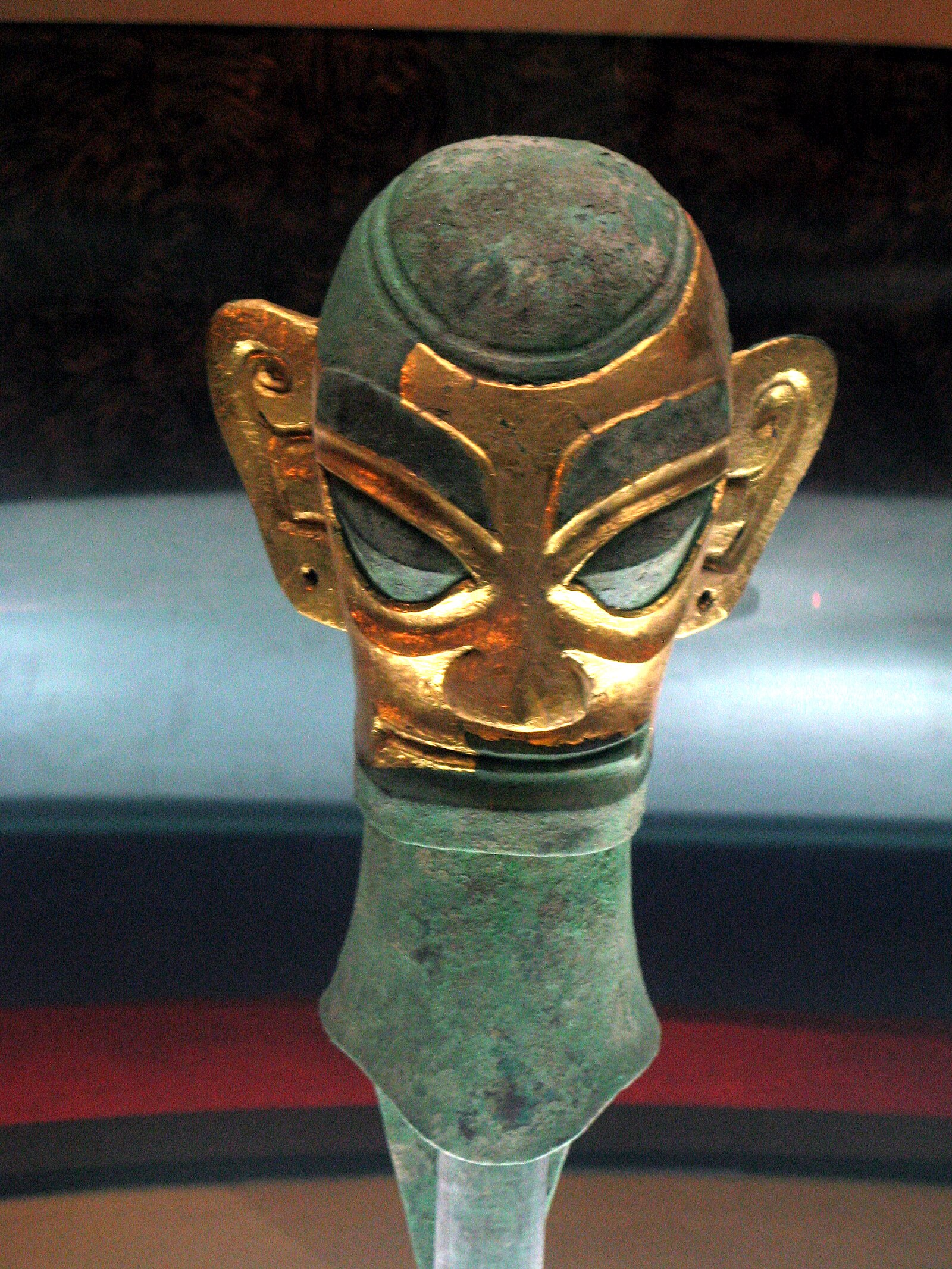
Gold Mask of Sanxingdui

Field Guide | 11 minute read

Every Visual in Wuchang: Fallen Feathers, Mapped to Real Sichuan Heritage

The game is set in the dying Ming world, but its deepest visual charge comes from older Sichuan: Sanxingdui bronze bodies, Jinsha gold, and the mountain-scale Buddhism of Leshan.

4

visual lineages

7

objects and sites

3

Sichuan stops

Wuchang: Fallen Feathers works because it refuses to flatten China into a generic fantasy skin. Its best images are regional. The mountains, masks, shrines, and transformed bodies point toward Sichuan, and Sichuan has one of the richest archaeological backstories in the world.

This guide follows the route a curious player should take after finishing the game: first ancient Shu, then Jinsha, then Leshan. It treats the game as a gateway into real museums and sites, not as a replacement for them.

The connections below are art-historical inferences. They do not claim that every asset was copied from a single object. The point is stronger: Wuchang's world becomes legible once you know the material culture that Sichuan already carries.

Visual lineage

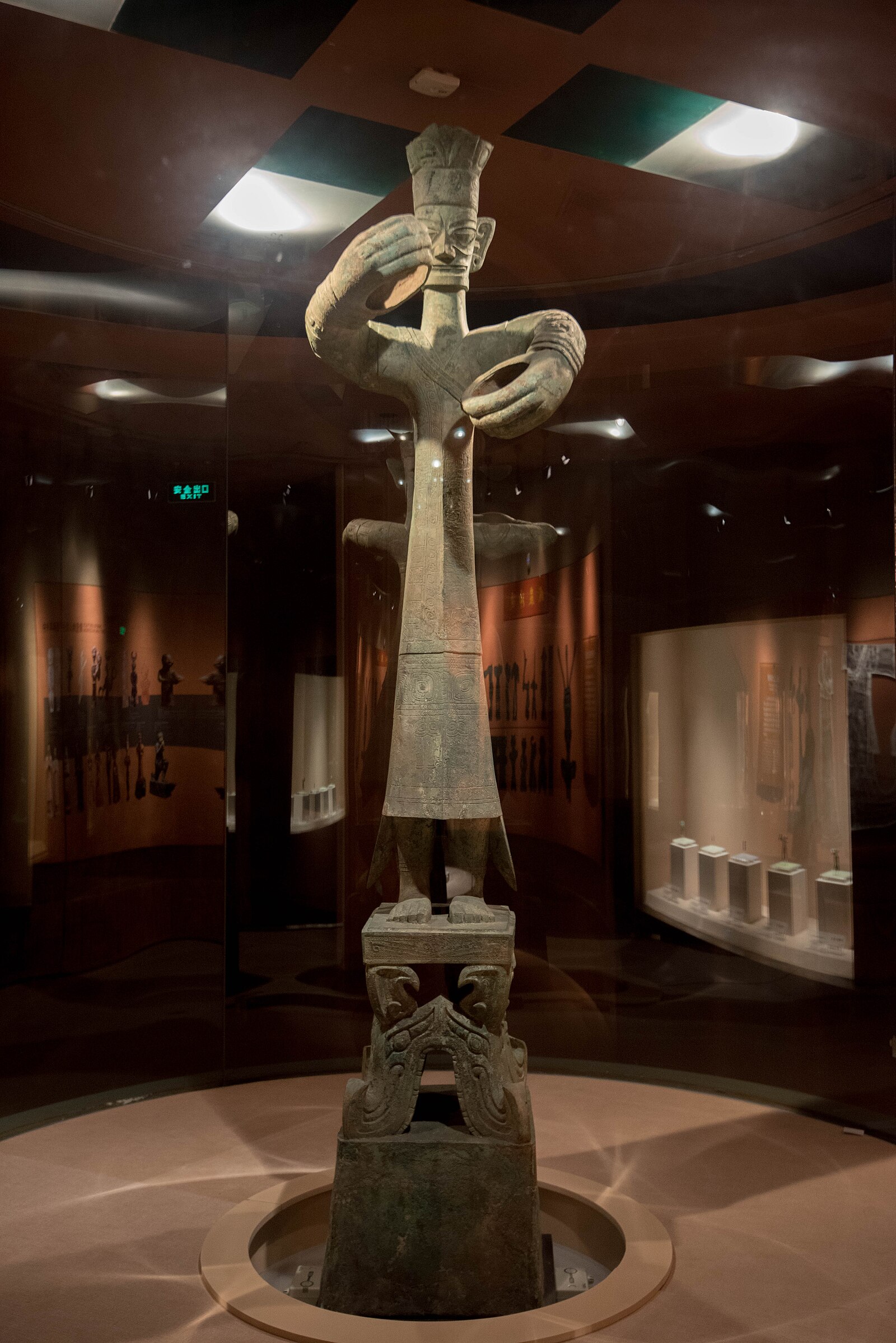
1. Sanxingdui bodies - Sichuan myth has its own anatomy

In the game: Wuchang's strongest visual move is not generic dark fantasy. Its supernatural bodies feel elongated, ceremonial, and regionally specific: figures that stand too still, faces that read as masks, hands held as if gripping a missing ritual object.

The real root: That body language belongs to Sanxingdui, the Bronze Age culture of the Chengdu Plain. Its figures do not look like Shang bronzes from the Yellow River world. They speak a different ritual language - one that makes Sichuan feel ancient, separate, and uncanny.
Visual lineage

2. Jinsha's Sun Bird - gold, rotation, and rebirth

In the game: The game's feather imagery turns the body into a cycle: wound, corruption, mutation, and possible rebirth. That cycle feels modern, but Sichuan archaeology already had a compact symbol for birds, sun, and cosmic turning.

The real root: Jinsha succeeded Sanxingdui as a major ancient Shu center. Its most famous object is the Sun Bird Gold Foil: four birds circling a radiant sun, later adopted as the official logo of China Cultural Heritage. It is small enough to hold in the hand, but large enough to summarize a civilization.

Visual lineage

3. Leshan and Mount Emei - Buddhism at mountain scale

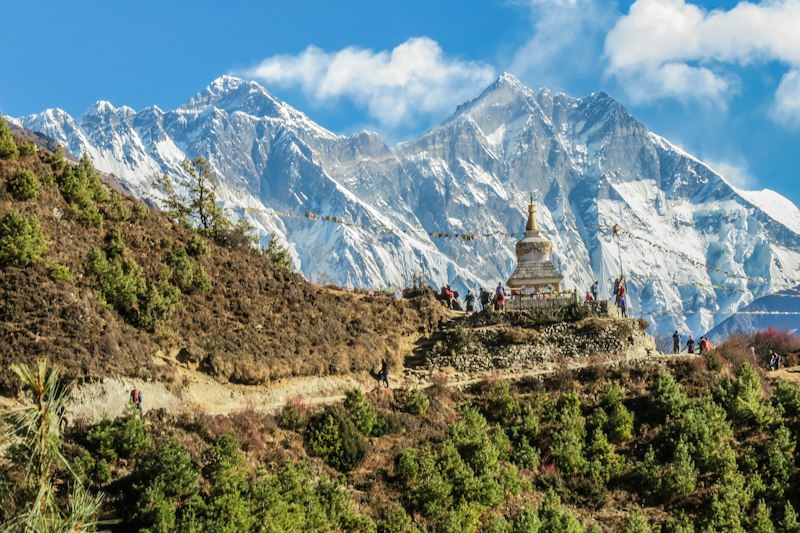
In the game: Wuchang's temple ruins and vertical landscapes work because they treat the mountain itself as sacred architecture. The game does not need to invent that scale. Sichuan already has it.

The real root: The Leshan Giant Buddha was carved into a cliff between 713 and 803. At 71 meters high, it turns a river confluence into a Buddhist body. Together with Mount Emei, it gives Sichuan one of the clearest examples of landscape, pilgrimage, engineering, and belief fused into a single visual system.

Visual lineage

4. The Sichuan route - from screen mood to real places

In the game: The best Wuchang follow-up is not another lore video. It is a route: Chengdu for Jinsha, Guanghan for Sanxingdui, Leshan for the Giant Buddha, and the broader Emei landscape for the mountain-temple atmosphere.

The real root: These are not isolated references. They are a compact Sichuan heritage circuit. A player can move from Bronze Age ritual to Tang Buddhism in the same region, and suddenly the game's geography stops feeling like a fantasy backdrop and starts reading as an edited memory of real places.

What to read after Wuchang

If the game pulled you into Sichuan, keep the path narrow and useful:

  • Start with ancient Shu. Read our Ancient Shu and Sichuan Heritage theme for the bigger map across Sanxingdui, Jinsha, and Leshan.
  • Compare Sanxingdui to Shang bronzes. The contrast explains why Sichuan Bronze Age objects feel so different from the central-plains ritual tradition. Open the comparison.
  • Keep the game-to-museum trail going. Try the companion Black Myth: Wukong field guide for a broader map of Buddhist sculpture, bronzes, porcelain, and jade across Chinese games.
Browse all field guides

Frequently asked questions

What real Chinese heritage is behind Wuchang: Fallen Feathers?+

Wuchang: Fallen Feathers is a fictional dark-fantasy game, but its strongest heritage connections run through Sichuan: Sanxingdui bronze figures and gold masks, the Jinsha Sun Bird, and the Leshan Giant Buddha landscape.

Why does Sanxingdui matter for Wuchang?+

Sanxingdui gives Sichuan a visual language that is older and stranger than the usual imperial China imagery: elongated bronze bodies, enormous eyes, gold masks, and ritual objects whose exact meanings remain debated. That makes it a natural bridge for Wuchang's transformed bodies and haunted shrine imagery.

Can I visit the real places connected to Wuchang?+

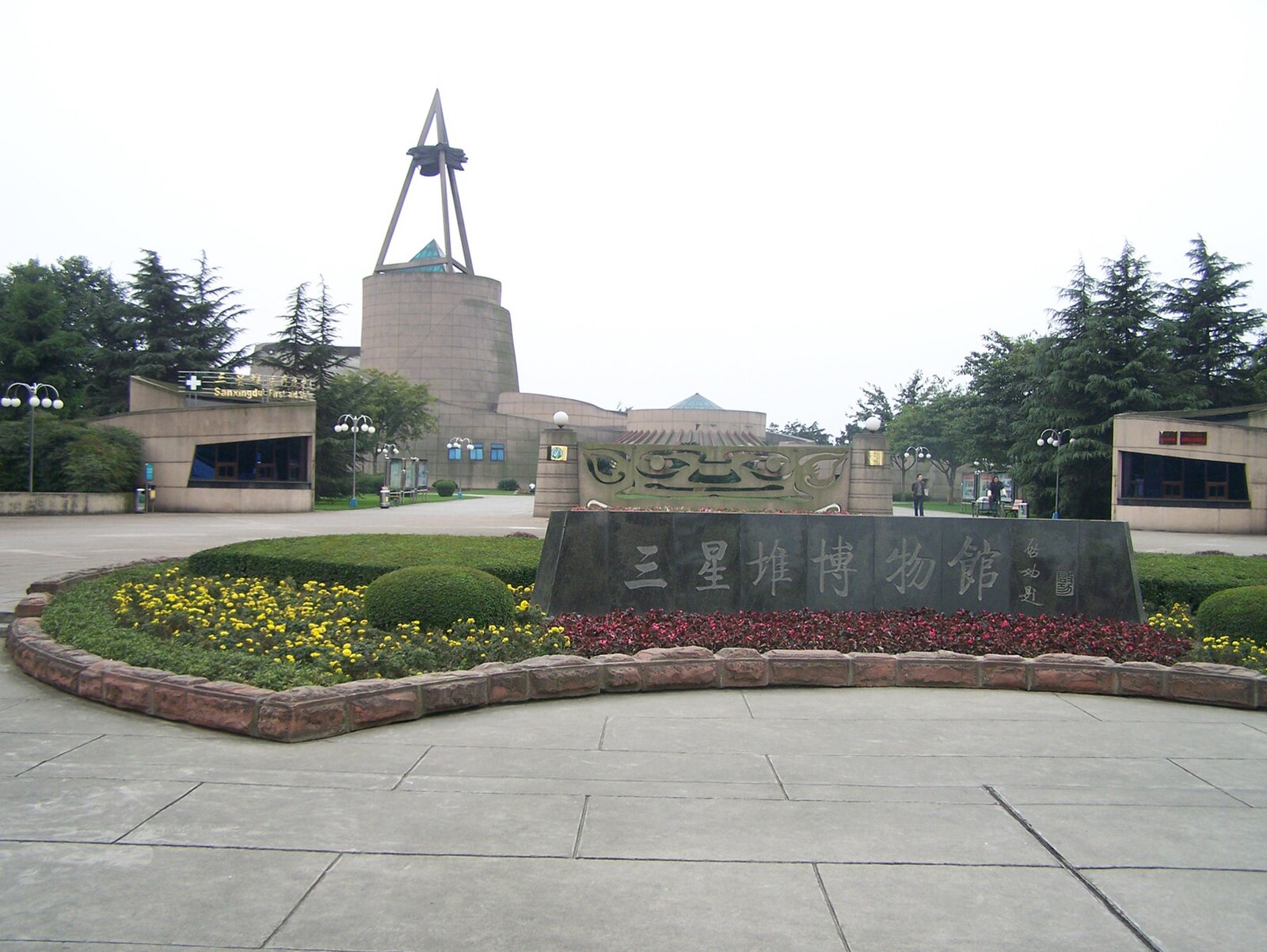
Yes. Sanxingdui Museum is in Guanghan, Jinsha Site Museum is in Chengdu, and the Leshan Giant Buddha Scenic Area is in Leshan. They form a realistic Sichuan heritage route for travelers who want to move from the game's atmosphere to real archaeology and Buddhist landscape.

Is Wuchang historically accurate?+

No game like Wuchang should be treated as a documentary. It uses the final years of the Ming dynasty as a creative frame and blends that with fantasy. The useful question is not whether every scene is accurate, but which real objects and places taught the game its visual grammar.

About this guide

Researched and written by China Heritage. Object pages cite the relevant museum and heritage sources, including Sanxingdui Museum, Jinsha Site Museum, and UNESCO. Connections drawn between game and heritage object are art-historical inferences; see Methodology for our standards.