Tang Sancai Three-Color Glazed Camel with Musicians
A tomb figurine depicting a Bactrian camel carrying a musical troupe — a masterpiece of Tang funerary art that captures the cosmopolitan energy of Silk Road trade in a single object.
The Story
This tomb figure shows a Bactrian (two-humped) camel standing tall, carrying a platform of musicians between its humps. The musicians — some with Central Asian features — play instruments while one figure sings with raised face. The piece is a perfect time capsule of Tang Dynasty internationalism: Sogdian and Persian merchants, Central Asian musicians, caravans loaded with luxury goods, and a court culture fascinated by 'exotic' entertainment from the West. Tang sancai pottery was made for burial, not daily use — its soft lead glaze cannot hold water. The dripped amber, green, and cream glazes run together in controlled randomness, a technique admired worldwide. This particular piece, excavated from a Tang tomb near Xi'an, is considered the finest known sancai camel with musicians.
Why It Matters
The single most iconic image of Tang Dynasty Silk Road cosmopolitanism — a visual shorthand for the most globally connected period in pre-modern Chinese history.
Frequently Asked Questions
1. What is Tang Sancai Three-Color Glazed Camel with Musicians?
A tomb figurine depicting a Bactrian camel carrying a musical troupe — a masterpiece of Tang funerary art that captures the cosmopolitan energy of Silk Road trade in a single object.
2. When was Tang Sancai Three-Color Glazed Camel with Musicians made?
Tang Sancai Three-Color Glazed Camel with Musicians dates to c. 723 AD, during the Tang Dynasty.
3. Where can I see Tang Sancai Three-Color Glazed Camel with Musicians?
Tang Sancai Three-Color Glazed Camel with Musicians is held by National Museum of China in China. Check the linked collection record or museum website before visiting because display rotations can change.
4. Why is Tang Sancai Three-Color Glazed Camel with Musicians important?
The single most iconic image of Tang Dynasty Silk Road cosmopolitanism — a visual shorthand for the most globally connected period in pre-modern Chinese history.
5. What is Tang Sancai Three-Color Glazed Camel with Musicians made of?
Tang Sancai Three-Color Glazed Camel with Musicians is classified as ceramics and made of Earthenware with lead-fluxed sancai (three-color) glaze.
Fun Facts
Tang sancai was a funerary ware — too fragile for daily use
The musicians include figures playing pipa (lute), flute, and harp
Bactrian camels could carry 250 kg across the Gobi Desert
Tang Xi'an had over 1 million residents and 10,000+ foreign merchants
Where to See It
Public collections holding this artifact or closely related pieces.
Part of These Themes

Related Artifacts
Jade & Gemstone
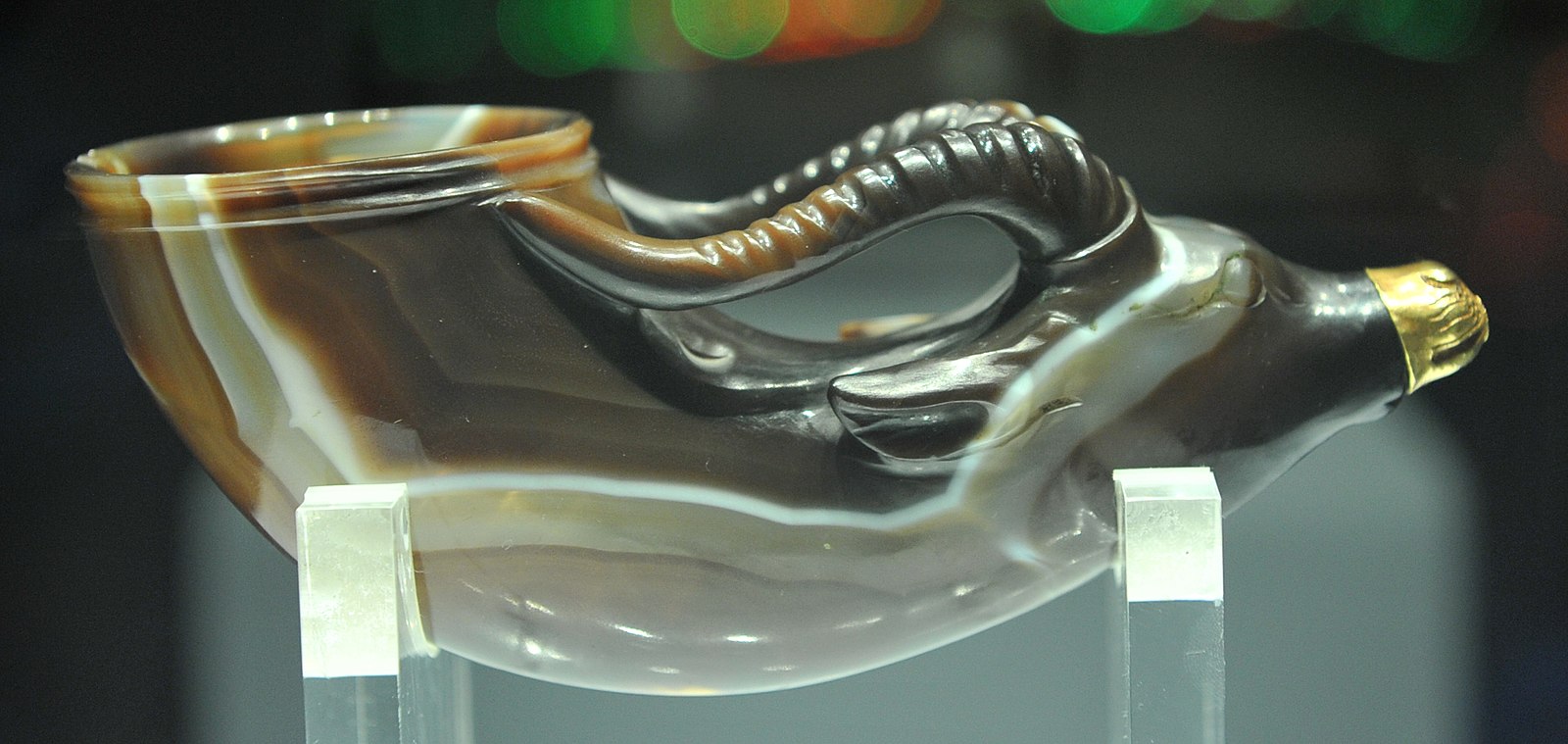
Beast-Head Agate Cup
An exquisite agate rhyton carved into a bull's head — a masterpiece reflecting the cultural fusion of the Silk Road's golden age.
Sculpture
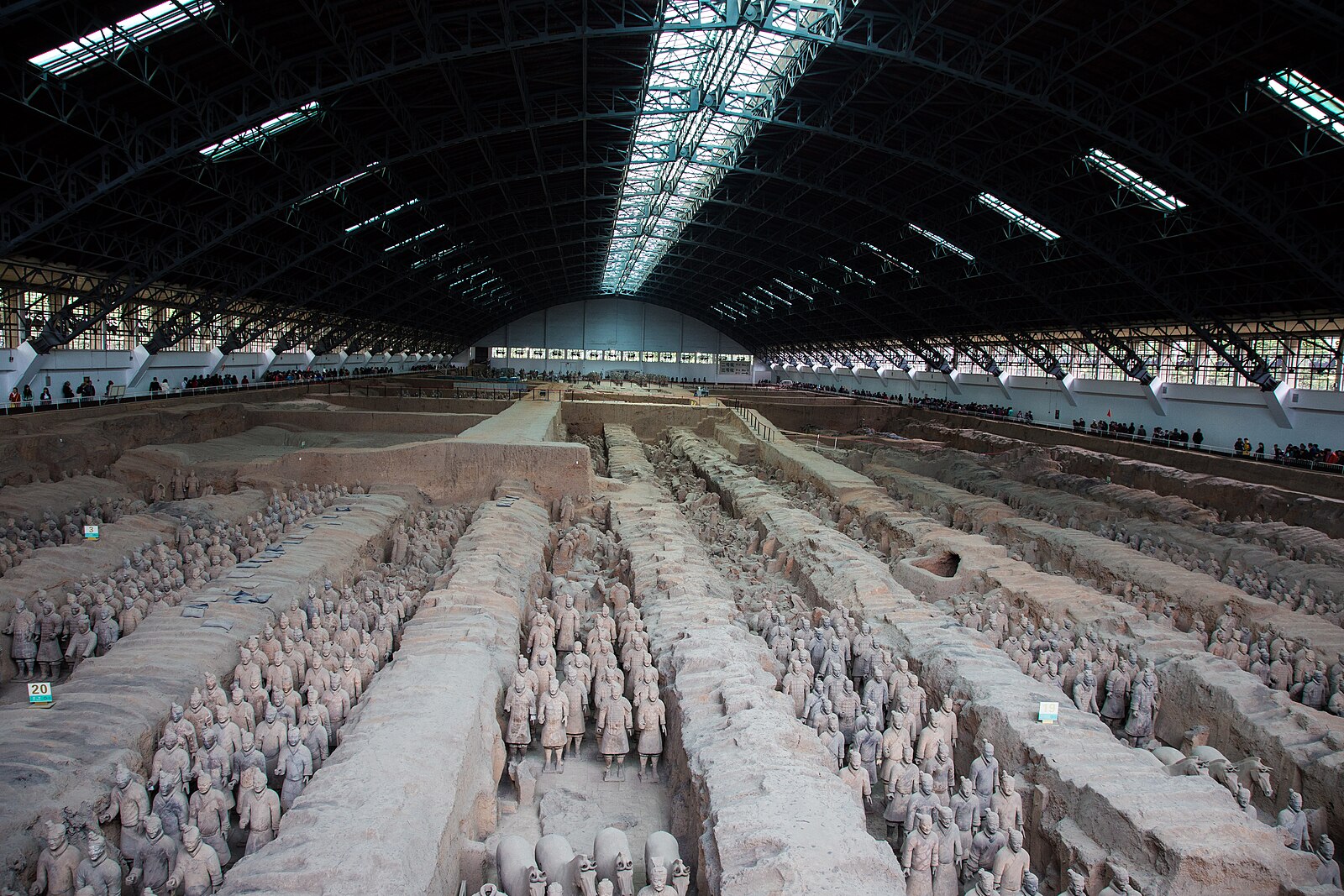
Terracotta Warriors
An army of over 8,000 life-sized clay soldiers, each with unique facial features, built to guard China's first emperor in the afterlife.
Sources & References
- ·Wikipedia — Tang sancai(CC-BY-SA 3.0)
Content informed by the sources above. Where Wikipedia text is used, it is licensed under CC-BY-SA 3.0.