Cultural Context
Wuchang: Fallen Feathers builds its dark fantasy world from Sichuan geography, Ming-period collapse, regional folk religion, temple ruins, and the archaeological aura of ancient Shu. Its world of corrupted bodies, mountain shrines, bronze-gold ritual imagery, and monumental Buddhist landscapes makes it a natural bridge between game audiences and real Sichuan heritage sites: Sanxingdui, Jinsha, and Leshan. Unlike generic fantasy China, Wuchang is regionally specific — it uses Shu as a cultural geography rather than a vague aesthetic label. The game's 2026 resurgence in PlayStation Plus discussions creates a timely SEO path from 'Wuchang game' searches into museum content: Sanxingdui bronze figures, Jinsha gold foil, Leshan Giant Buddha tourism, and Sichuan's deeper archaeological timeline.
Real Artifacts Behind the Work
4 direct connections to Chinese cultural heritage.
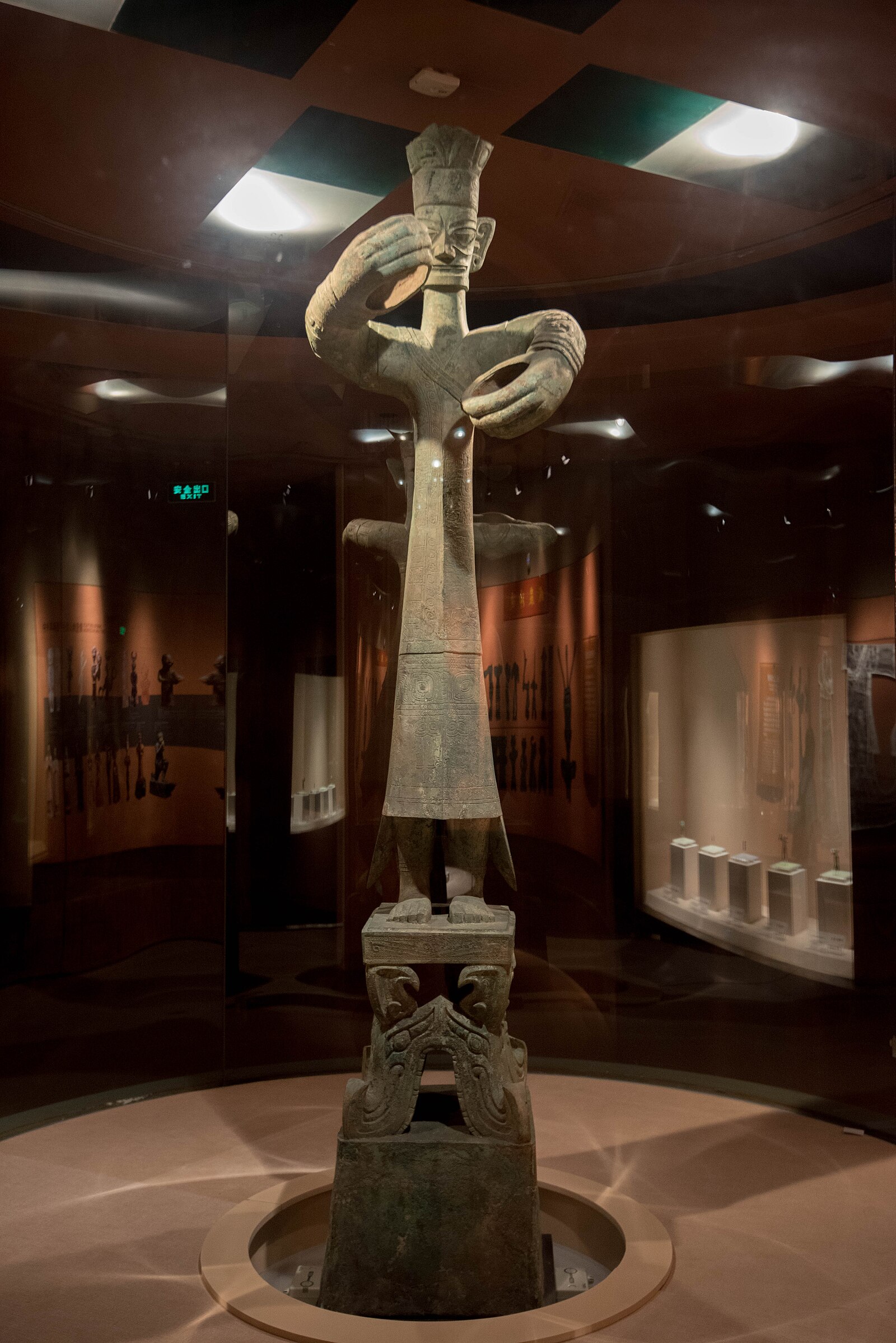
The Connection
Wuchang's supernatural Shu atmosphere echoes the ritual stillness and alien monumentality of Sanxingdui bronze figures.
Read the full story →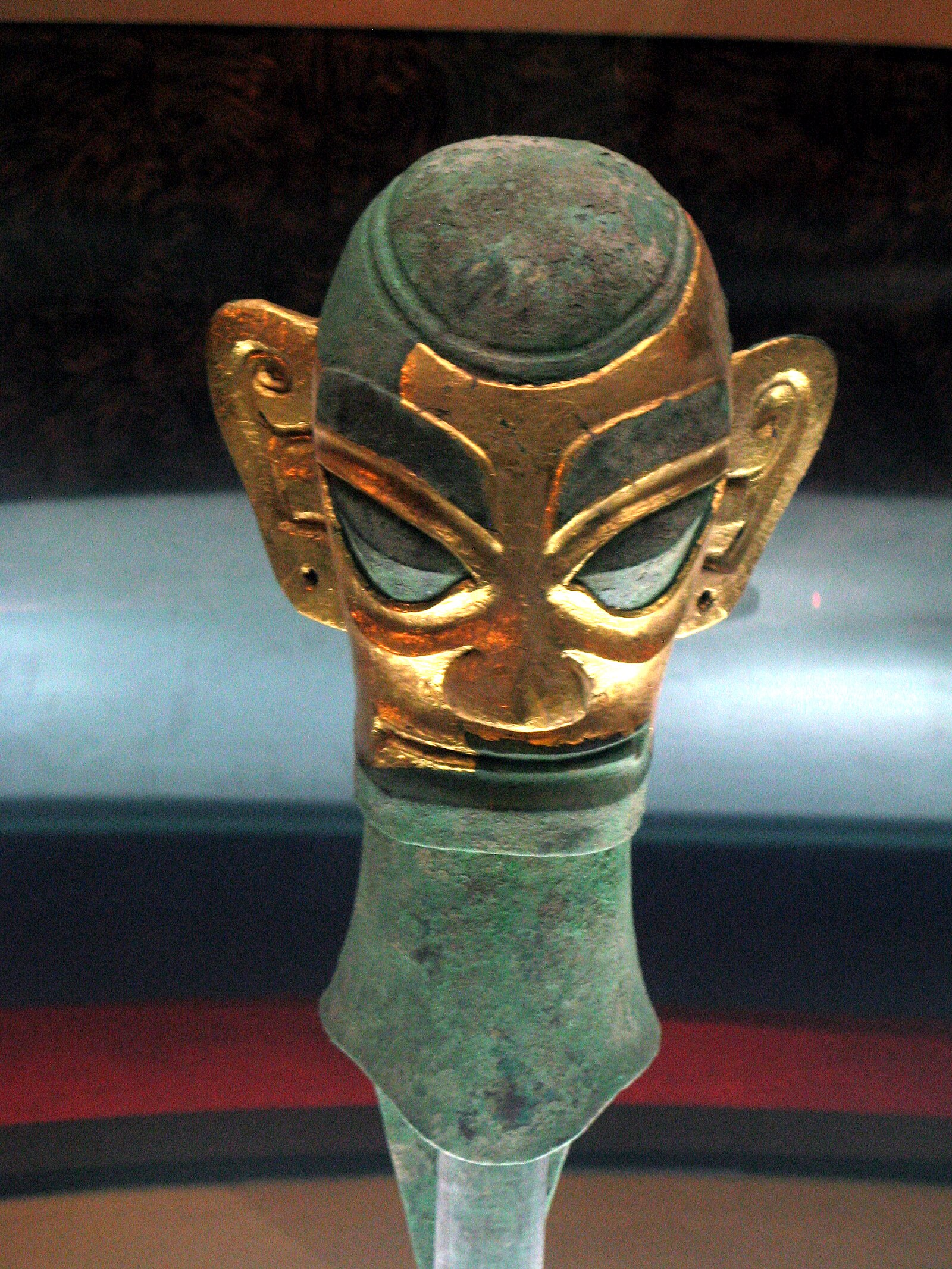
The Connection
Gold masks and face-covering ritual imagery help explain the game's fascination with transformed identity, corruption, and sacred power.
Read the full story →The Connection
The Jinsha Sun Bird connects the game's Sichuan setting to the ancient Shu solar-symbol tradition that followed Sanxingdui.
Read the full story →
The Connection
The game's Sichuan landscapes and Buddhist ruin atmosphere resonate with the real monumental terrain of Leshan and Mount Emei.
Read the full story →Related Themes
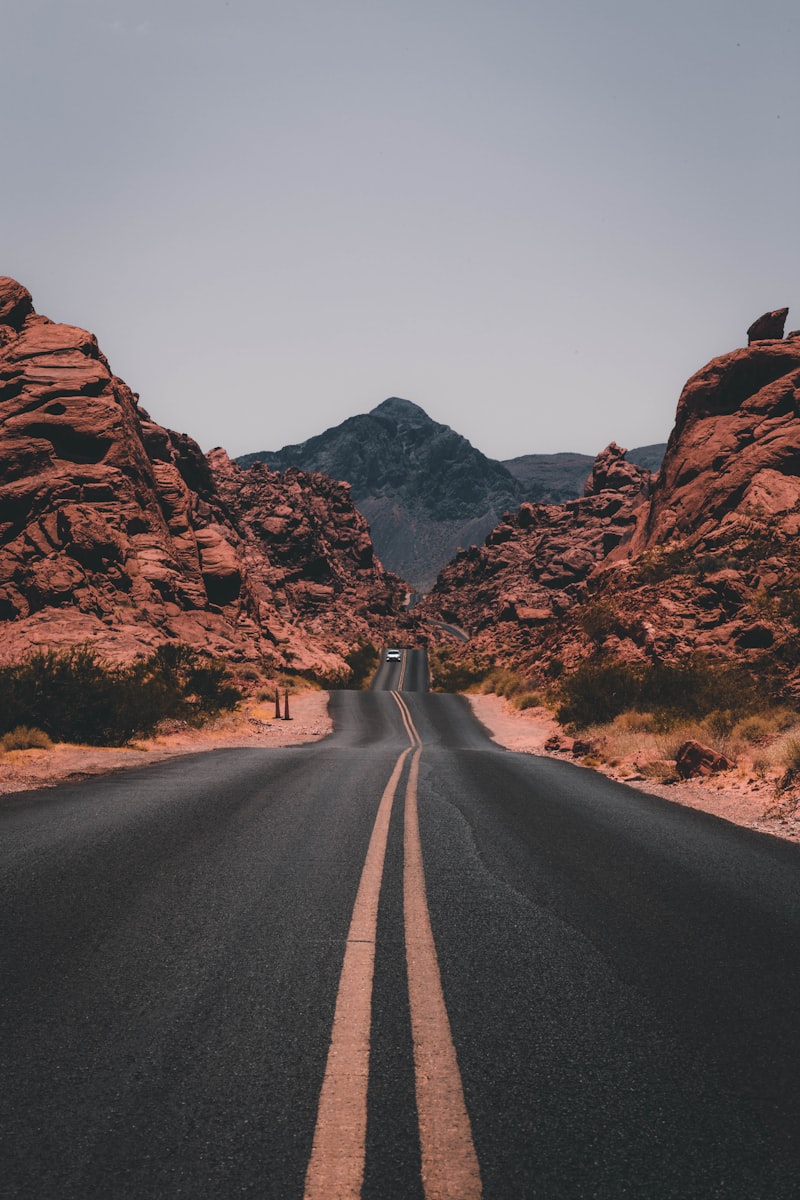
Ancient Shu & Sichuan Heritage
Sanxingdui, Jinsha, Leshan, and the Cultural Geography Behind New Chinese Games
Sichuan's heritage is not peripheral to Chinese civilization — Sanxingdui, Jinsha, and Leshan form a 3,000-year arc of bronze ritual, gold sun worship, Buddhist monumentality, and contemporary game-world design.
5 artifacts →

Sanxingdui Mysteries
A 3,000-year-old civilization that rewrote Chinese history
The bronze masks, gold foil, and towering figures of Sanxingdui belong to a civilization the world did not know existed until 1986 — and many of their secrets remain unsolved.
4 artifacts →
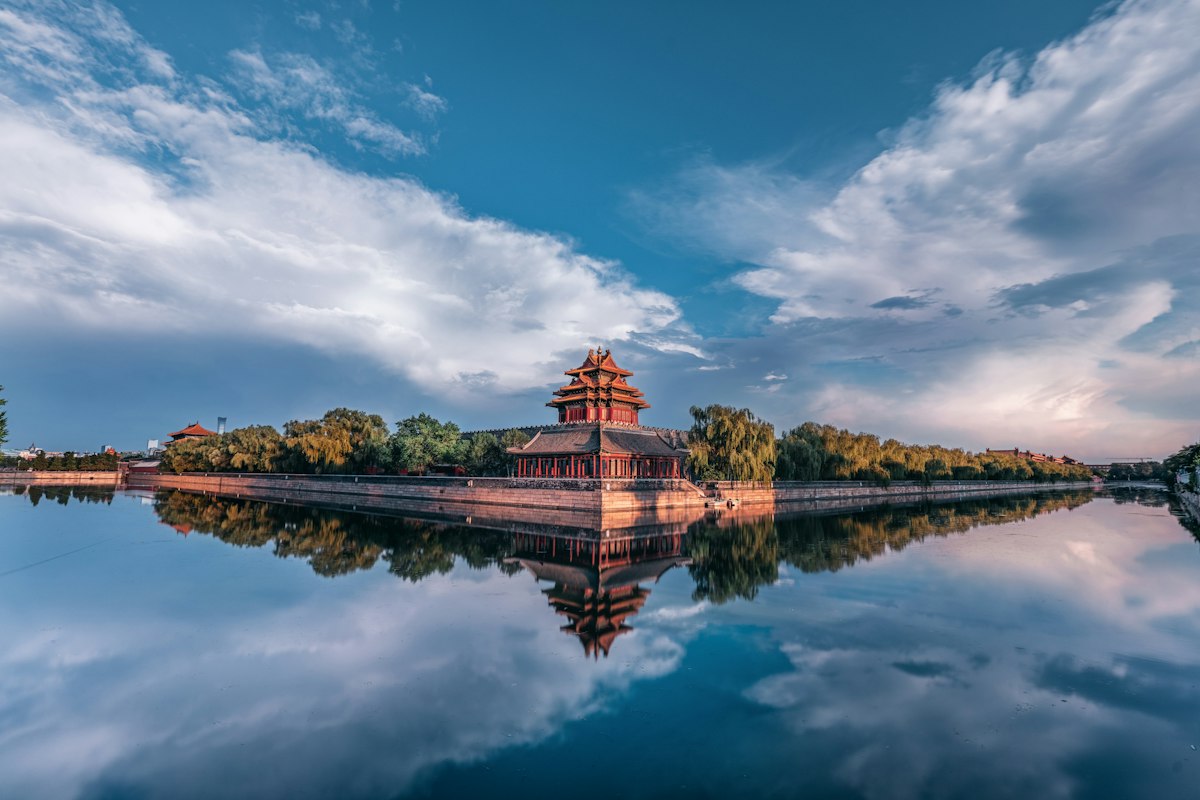
Warriors, Weapons, and Empire
The material culture of conquest, defense, and military memory
Chinese military heritage is not only swords and soldiers. It includes bronze technology, mass production, tomb armies, court ritual, and the stories later dynasties told about heroic violence.
5 artifacts →
Feng Shui Compass & Cosmic Orientation
How the luopan turned direction, time, landscape, and the cosmos into one instrument
The feng shui compass, or luopan, is not just a navigation tool. Its rings encode trigrams, stems, branches, stars, and spatial formulas used to align buildings, graves, and landscapes.
4 artifacts →
Field guide | 11 min read
Want the real Sichuan heritage behind Wuchang?
Sanxingdui bronze bodies, Jinsha's Sun Bird, Leshan's mountain Buddha, and a practical Sichuan route from game mood to real places.
Read the field guideFrequently asked questions
What real Chinese artifacts inspired Wuchang: Fallen Feathers?+
Wuchang: Fallen Feathers draws on multiple real Chinese artifacts and traditions, most notably: Bronze Standing Figure, Gold Mask of Sanxingdui, Sun Bird Gold Foil of Jinsha, Leshan Giant Buddha. Each is documented in a Chinese museum and many are visible to the public today. See the connections section above for specific scene-by-scene references.
Where can I see the artifacts that inspired Wuchang: Fallen Feathers?+
The artifacts referenced by Wuchang: Fallen Feathers are held by: Sanxingdui Museum, Jinsha Site Museum, Leshan Giant Buddha Scenic Area. Most have public galleries with regular visitor hours; a few have travelled to international exhibitions.
Who created Wuchang: Fallen Feathers?+
Wuchang: Fallen Feathers was developed by Leenzee Games and released in 2025. It is a game produced in China.
Is Wuchang: Fallen Feathers historically accurate?+
Wuchang: Fallen Feathers is a creative work, not a documentary. It draws inspiration from real Chinese material culture but adapts and dramatises freely. Our role at China Heritage is to identify which historical references the work is drawing on, with citations to museum primary sources, so curious viewers can separate the historical core from the creative invention.
Where can I learn more about Chinese material culture after Wuchang: Fallen Feathers?+
Start with our long-form field guide, "Every Visual in Wuchang: Fallen Feathers, Mapped to Real Sichuan Heritage" - it follows Sanxingdui bronze bodies, the Jinsha Sun Bird, the Leshan Giant Buddha, and a practical Sichuan route from game mood to real places.